Tesla to end Cybertruck production in 2027 as Musk shifts focus to Cybercab
Tesla plans to shut down Cybertruck production at its Texas facility around mid-2027, shifting manufacturing capacity toward the autonomous Cybercab robotaxi.
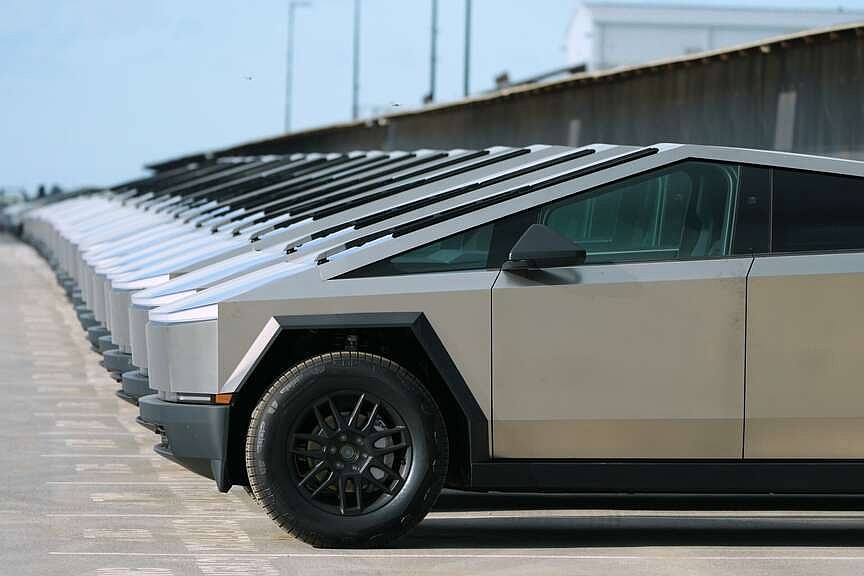
- Core Development: Tesla plans to shut down Cybertruck production at its Texas facility around mid-2027, shifting manufacturing capacity toward the autonomous Cybercab robotaxi.
- Beat Context: Categorized under Business with independent corroboration.
- Reporting Depth: 4 minute analytical read synthesized from verified newsroom sources.
Tesla will bring production of its angular, stainless-steel Cybertruck to a close around the middle of 2027, according to an announcement made by CEO Elon Musk in a post on his social media platform X. The decision marks a sharp pivot for Tesla as the company redirects manufacturing capacity at its Texas Gigafactory toward the autonomous Cybercab robotaxi. The winding down of the Cybertruck brings an abrupt halt to one of the most polarizing and ballyhooed automotive debuts in modern history, concluding a production run that will have lasted less than four years. Musk did not clarify whether production would be moved to another facility or whether the vehicle would be discontinued altogether, nor did he address what would happen to outstanding orders.
When the Cybertruck first rolled onto the stage in November 2019 at Tesla's design studio in Hawthorne, California, it captured global attention with pyrotechnics and science-fiction aesthetics. Armen Hareyan of Torque News noted that the vehicle became an undeniable cultural symbol, while former Tesla executive Spencer Penn recalled initially viewing its futuristic, dystopian aesthetic as madness before coming to appreciate its role in the company's risk-taking, innovative spirit. However, the vehicle's early momentum was dented immediately during its unveiling when a demonstration of its supposedly unbreakable glass resulted in a designer shattering two windows with a steel ball. Subsequent pricing also diverged sharply from initial promises: while Musk originally floated a starting tag under $40,000, actual deliveries began at $60,990, and prices later climbed further, with the cheapest available model reaching $92,490.
Media additions


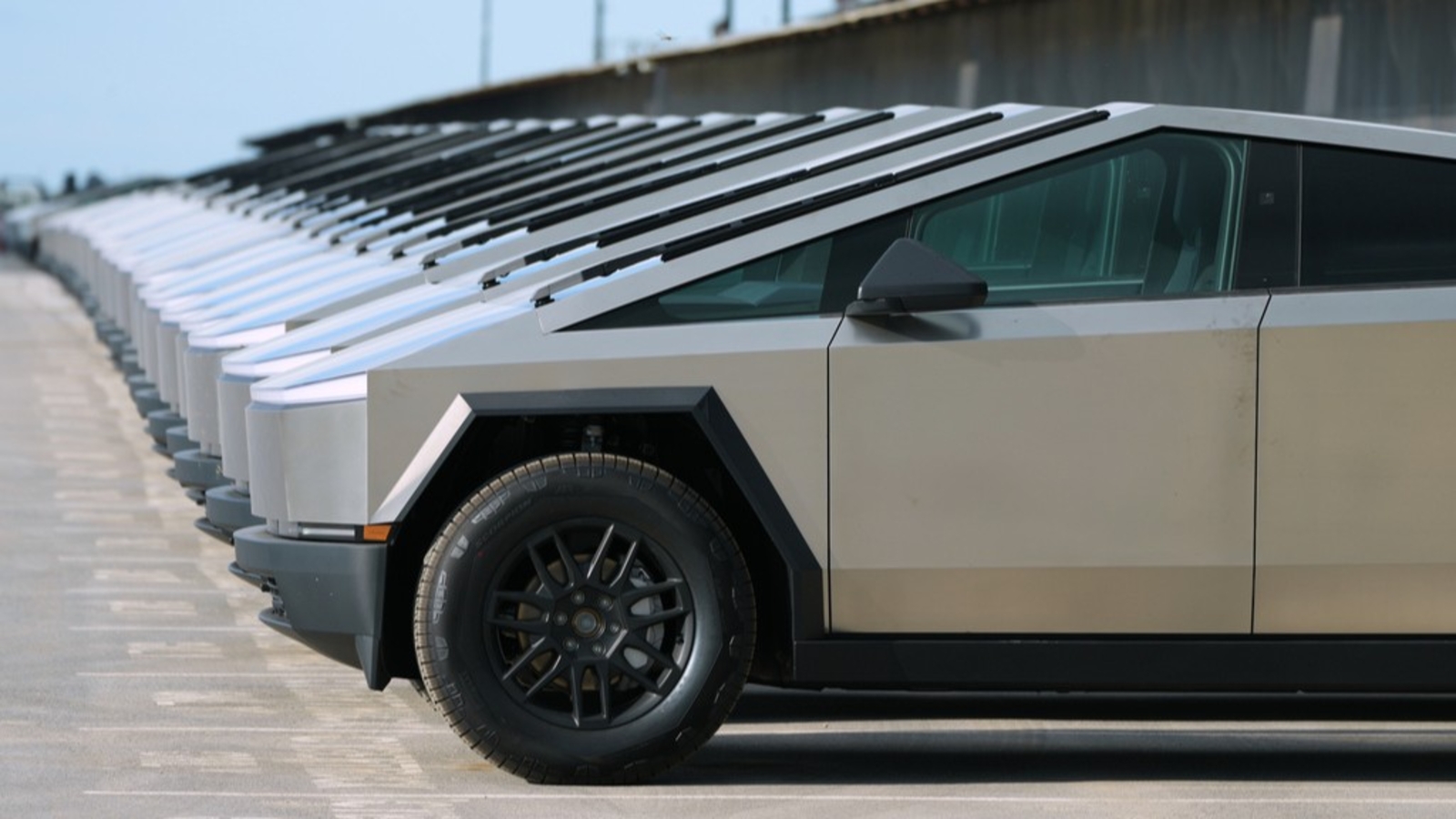
Commercial performance failed to match the grand ambitions of the manufacturer. While Musk once forecast annual production of 250,000 to 500,000 units, actual market adoption stalled significantly. According to Kelley Blue Book estimates cited by the Associated Press, Tesla sold 38,965 Cybertrucks in the United States in 2024 and just 20,237 vehicles in 2025, representing a decline of 48%. Data and other industry trackers noted that sales continued falling another 28% through the first nine months of the year, with cumulative deliveries estimated below 71,000 units by Car and Driver. Sales were further propped up by purchases from Musk's other companies, including SpaceX, which bought $131 million worth of Cybertrucks.
| Metric | Estimated / Reported Figures | Source / Authority |
|---|---|---|
| Original Annual Sales Target | 250,000 to 500,000 units | Elon Musk |
| U.S. Sales (2024) | 38,965 units | Kelley Blue Book |
| U.S. Sales (2025) | 20,237 units (down 48%) | Kelley Blue Book |
| Cumulative Deliveries | Under 71,000 units | Car and Driver |
| Initial Promised Starting Price | $39,900 | Tesla (2019 debut) |
The vehicle's struggles went far beyond pricing and demand. Its heavy, sharp-edged stainless-steel construction also prevented it from ever entering the European market, as regulators and safety experts raised serious concerns over pedestrian safety compliance. Furthermore, the pickup became deeply entangled in political controversy as Musk aligned himself with prominent right-wing figures, including U.S. President Donald Trump and Germany's Alternative for Germany party. Owners and vehicles alike became targets of public anger, facing protests, vandalism, and harassment, while European sales of Tesla vehicles tumbled 49% in the first two months of 2025.
The decision to terminate the vehicle frees up crucial manufacturing space at the Texas Gigafactory for the Cybercab, a two-seater robotaxi devoid of a steering wheel and pedals. Unveiled in 2024, the Cybercab is central to Musk's broader ambition to transform Tesla from an electric car manufacturer into an autonomous transport and robotics enterprise. Yet, this new strategic direction is not without its own immediate obstacles. Federal safety regulators opened an investigation into whether the Cybercab complies with federal safety standards immediately following its rollout in Austin, Texas, in September.
As the company prepares for the mid-2027 wind-down, several key questions remain unresolved for customers and investors alike:
- Whether production will cease entirely or quietly relocate to an alternate facility, a detail Musk left unaddressed in his announcement.
- How long Tesla will continue supplying replacement parts and servicing the existing Cybertruck fleet on public roads, though Musk reassured owners that the existing fleet will remain around for a long time.
- The outcome of federal regulatory scrutiny surrounding the self-certification and safety compliance of the Cybercab.
- How the removal of the pickup line will definitively register within Tesla's quarterly financial reporting categories, given that Tesla groups the vehicle into an "Other Models" category alongside the Semi and remaining Model S and Model X vehicles.
Cybertruck lead engineer Wes Morrill described the pickup as an incredible technology development platform that would live on through the Cybercab. Meanwhile, the discontinuation follows the earlier cancellation of the Model S and Model X, leaving the Model 3 and Model Y as the core consumer lineup while the company looks toward the arrival of the next-generation Roadster in 2028.
How significant is this development?
Contribute your assessment to the aggregated reader sentiment ledger.
Frequently Asked Questions
Key questions answered in this reportWhat is the key development in: Tesla to end Cybertruck production in 2027 as Musk shifts focus to Cybercab?
Tesla plans to shut down Cybertruck production at its Texas facility around mid-2027, shifting manufacturing capacity toward the autonomous Cybercab robotaxi.
Why is this Business development significant for the UK?
This report covers critical events in our Business beat. Independent reporting monitors related UK statements, regulatory shifts, and public responses as further verified details emerge.
How was this reporting corroborated and verified?
Newsarchy UK compiles and cross-references reporting from primary reporting from nwaonline.com and cross-checked wire reports. All coverage adheres to published editorial standards.
When was this report published?
This briefing was published on November 7, 2026 and is permanently cataloged in the Newsarchy UK Business archives.


