UK inflation jumps to 2.9% in July as Iran war spikes energy costs
UK consumer-price inflation rose to 2.9% in July after conflict in the Middle East sent gas and electricity prices sharply higher, threatening household budgets.

- Core Development: UK consumer-price inflation rose to 2.9% in July after conflict in the Middle East sent gas and electricity prices sharply higher, threatening household budgets.
- Beat Context: Categorized under Business with independent corroboration.
- Reporting Depth: 6 minute analytical read synthesized from verified newsroom sources.
Consumer‑price inflation rose to 2.9 % in July – the first increase since March – after the war sparked by the United States and Israel’s action against Iran sent gas and electricity prices sharply higher. The jump threatens to erode household budgets just as the Burnham government prepares its October budget and the Bank of England weighs a possible rate rise.
According to the Office for National Statistics, the CPI climbed from a 15‑month low of 2.6 % in June. Core inflation, which strips out energy and food, stayed at 2.6 %, while services inflation slipped from 3.6 % to 3.4 %. The broader CPIH measure, which includes housing costs, rose from 2.8 % to 3.1 %.
Media additions


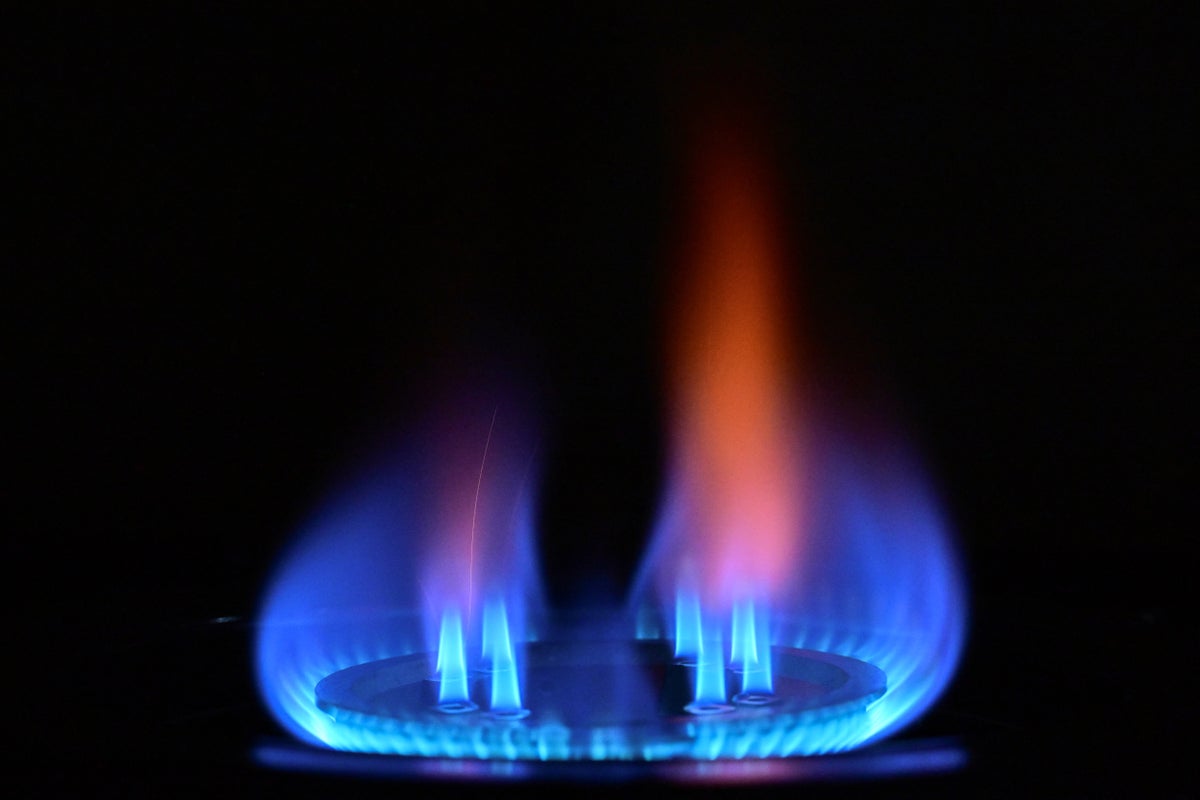
The ONS identified the energy price cap as the decisive factor. Ofgem lifted the cap by 13 % in August, pushing the average annual gas and electricity bill up by £221 to £1,862. The surge in energy costs coincided with the largest jump in gas prices since the Russian invasion of Ukraine in 2022.
"Inflation rose in July, driven by a sharp increase in gas prices following this month's change to the energy price cap. This was the largest rise in gas prices for almost four years."
"Other upward pressures included furniture prices falling by less than usual for this time of year, and also a smaller fall for clothing prices due to reduced discounting.
The prices of raw materials and goods leaving factories slowed again, driven by a drop in the prices of crude oil and refined petroleum respectively."
Mike Hardie, deputy director for prices, via Yahoo News Singapore
The energy shock traces back to the escalation in the Middle East. The ONS described the July jump as the “biggest jump in gas prices since Russia’s invasion of Ukraine in 2022”, and the Guardian noted that “the sharpest summer increase in energy bills in four years” followed the “US‑Israel war on Iran” that sent “shock waves through global energy markets”. The conflict began in late February, interrupting supply chains and lifting wholesale energy prices just as a hot summer intensified demand for electricity and heat.
Prime Minister Andy Burnham’s first week in office saw a flurry of “breathing space” measures. A temporary VAT cut on electricity and gas is set to shave roughly £45 off an average household’s annual energy bill from October. The government’s Great British Summer Savings Scheme also reduces VAT on family attractions and children’s meals until September, a move intended to cushion the cost‑of‑living squeeze.
Chancellor John Healey, addressing parliament, said the UK economy remained resilient despite “Iran war inflation”. He added:
"There is more to do to restore hope and build a stronger economy where prosperity is shared more fairly across Britain."
John Healey, chancellor, via The Guardian
The labour market provides a counterweight to price pressures. Figures released earlier in the week showed wage growth slowing in June and job vacancies hitting a five‑year low, with unemployment hovering close to 5 %. James Smith, chief economist at the Resolution Foundation, said:
"The good news is that underlying pressures are still easing, with services inflation continuing to fall. The bad news is that this fresh bout of inflation is being driven by events in the Middle East that are largely beyond the government’s control."
James Smith, chief economist, via The Guardian
Capital Economics’ deputy chief UK economist Ruth Gregory echoed that view, arguing the weak labour market will likely stop a “second‑round” wage‑price spiral:
"As the latest rebound in energy prices doesn’t go much further, we still think the weak labour market will prevent second‑round effects, meaning inflation falls to 2% next year."
Ruth Gregory, deputy chief UK economist, via The Guardian
David Rees, head of global economics at Schroders, added that the UK “is better placed than most developed economies to avoid second‑round inflation effects”.
"With unemployment still close to 5 per cent and job vacancies at five‑year low levels, the UK is \"better placed than most developed economies to avoid second‑round inflation effects,\""
David Rees, head of global economics, via Yahoo News Singapore
The Bank of England is watching the data closely. Threadneedle Street has kept borrowing costs unchanged but warned that a “worst‑case scenario – involving further escalation in the war – could drive UK inflation to a peak of 4.5 % by the middle of 2027”. Nevertheless, most analysts expect the BoE to “look through” the energy shock, given the cooling jobs market, and say a rate hike is not imminent.
Food prices have not risen in step with energy. The Food and Drink Federation praised the fall in food inflation to 1.3 % in July, calling it “good news for consumers”. Its chief economist Dr Liliana Danila warned, however, that “supply chain disruption and ‘extreme weather’ will make it ‘very challenging for manufacturers to swallow any higher costs.’”
"It's good news for consumers as food inflation continued to fall for another month in July. This isn't what we'd historically expect to see following a supply chain shock like the war in Iran. This is partly due to the time it takes for these shocks to pass through to consumer prices and partly due to the fact that food manufacturers have learnt from the previous energy shock brought on by the war in Ukraine, adapting contracts and diversifying suppliers to keep costs down."
Food and Drink Federation, via Yahoo News Singapore
Kevin Brown, savings expert at Scottish Friendly, warned that “energy may only be exerting part of the pinch this autumn”. He noted that “expensive fuel and fertiliser are adding pressure to food production and supply chains, while an exceptionally hot summer raises another threat to harvests,” and cautioned families that “inflationary fallout … will continue at the till as well as through their utility bills”.
"Energy may only be exerting part of the pinch this autumn. Expensive fuel and fertiliser are adding pressure to food production and supply chains, while an exceptionally hot summer raises another threat to harvests," he said. "As a result, families may continue to feel the inflationary fallout from this at the till as well as through their utility bills."
Kevin Brown, savings expert, via Yahoo News Singapore
Investors remain cautious. Jonathan Raymond, investment manager at Quilter Cheviot, said a “renewed spike in inflation has been expected as the war in the Middle East continues to navigate a clunky ceasefire”, adding that “pressure is likely to remain on prices for the remainder of the year at least”. He also noted that “inflation is expected to moderate in the coming months as government activities begin to feed through in official numbers”.
"A renewed spike in inflation has been expected as the war in the Middle East continues to navigate a clunky ceasefire. Things remain far from normal in the Strait of Hormuz and look unlikely to be resolved any time soon, meaning pressure is likely to remain on prices for the remainder of the year at least.
That said, inflation is expected to moderate in the coming months as government activities begin to take effect on the headline number. Cuts to VAT on energy bills and discounted leisure and hospitality offerings will begin to feed through in official numbers."
Jonathan Raymond, investment manager, via
How significant is this development?
Contribute your assessment to the aggregated reader sentiment ledger.
Frequently Asked Questions
Key questions answered in this reportWhat is the key development in: UK inflation jumps to 2.9% in July as Iran war spikes energy costs?
UK consumer-price inflation rose to 2.9% in July after conflict in the Middle East sent gas and electricity prices sharply higher, threatening household budgets.
Why is this Business development significant for the UK?
This report covers critical events in our Business beat. Independent reporting monitors related UK statements, regulatory shifts, and public responses as further verified details emerge.
How was this reporting corroborated and verified?
Newsarchy UK compiles and cross-references reporting from primary reporting from aol.com and cross-checked wire reports. All coverage adheres to published editorial standards.
When was this report published?
This briefing was published on August 19, 2026 and is permanently cataloged in the Newsarchy UK Business archives.