Bank of England raises interest rates to 4% as inflation rises
EXECUTIVE BRIEFKey Takeaways & Signal
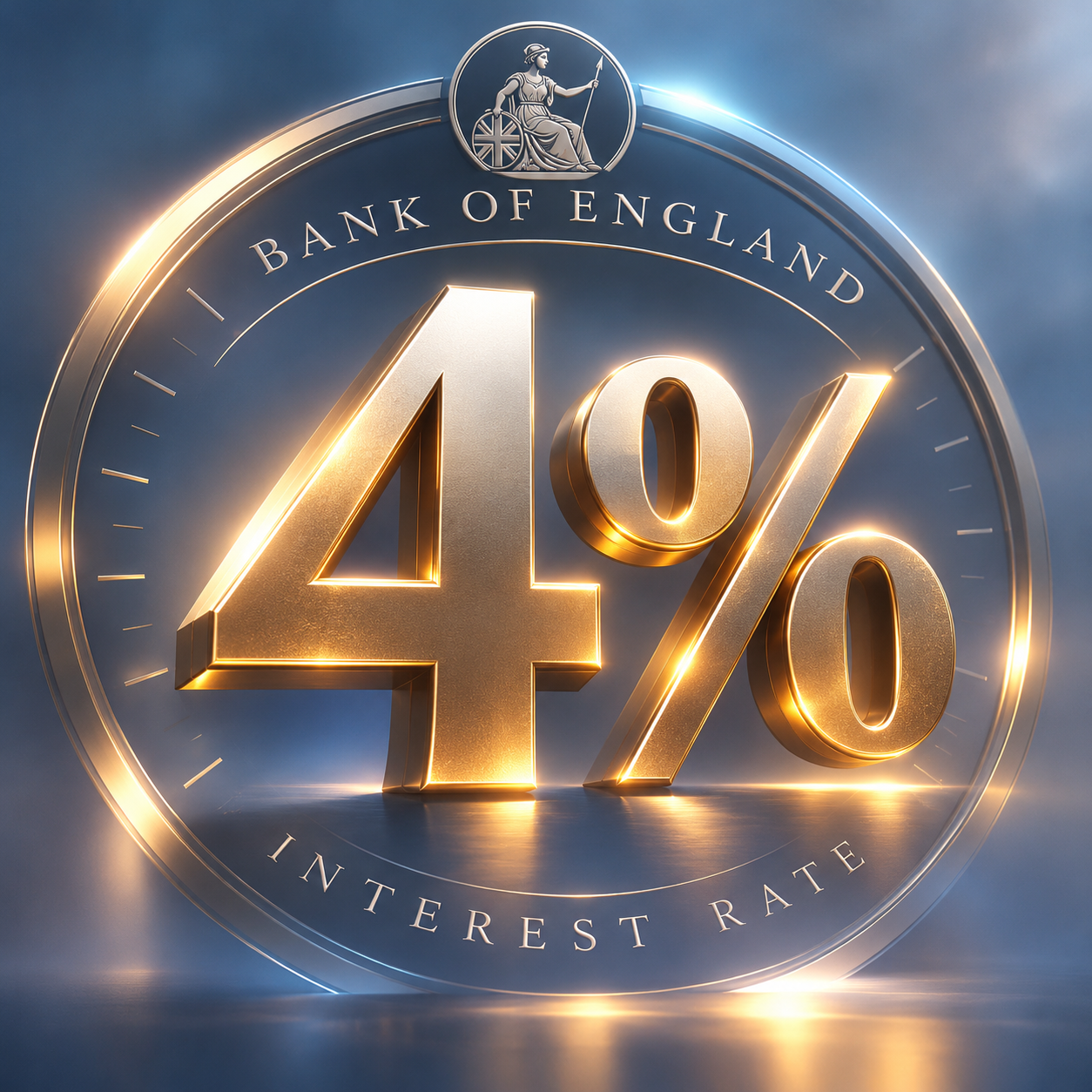
Core Development: The Bank of England lifted the Bank Rate from 3.75% to 4% amid rising energy-driven inflation and stronger economic activity, impacting UK mortgages.
Beat Context: Categorized under Cost of Living with independent corroboration.
On Thursday the Bank of England’s Monetary Policy Committee lifted the Bank Rate from 3.75 % to 4 % — the first hike in more than three years — citing a surge in energy‑driven inflation and stronger‑than‑expected economic activity. The move comes as households grapple with higher energy bills, a looming £2,150 average annual cap on electricity and gas, and a projected rise in consumer‑price inflation to roughly 5 % by the middle of 2027.
Governor Andrew Bailey warned that “there is now enough inflationary pressure in the pipeline caused by the rise in energy prices, that an increase in Bank Rate is warranted.” He added that the increase “shouldn’t be seen as the first in an inevitable long sequence of hikes,” but that “unless the conflict in the Middle East is resolved, neither does it seem likely to be the last increase.”
There is now enough inflationary pressure in the pipeline caused by the rise in energy prices that an increase in Bank Rate is warranted.
Media additions
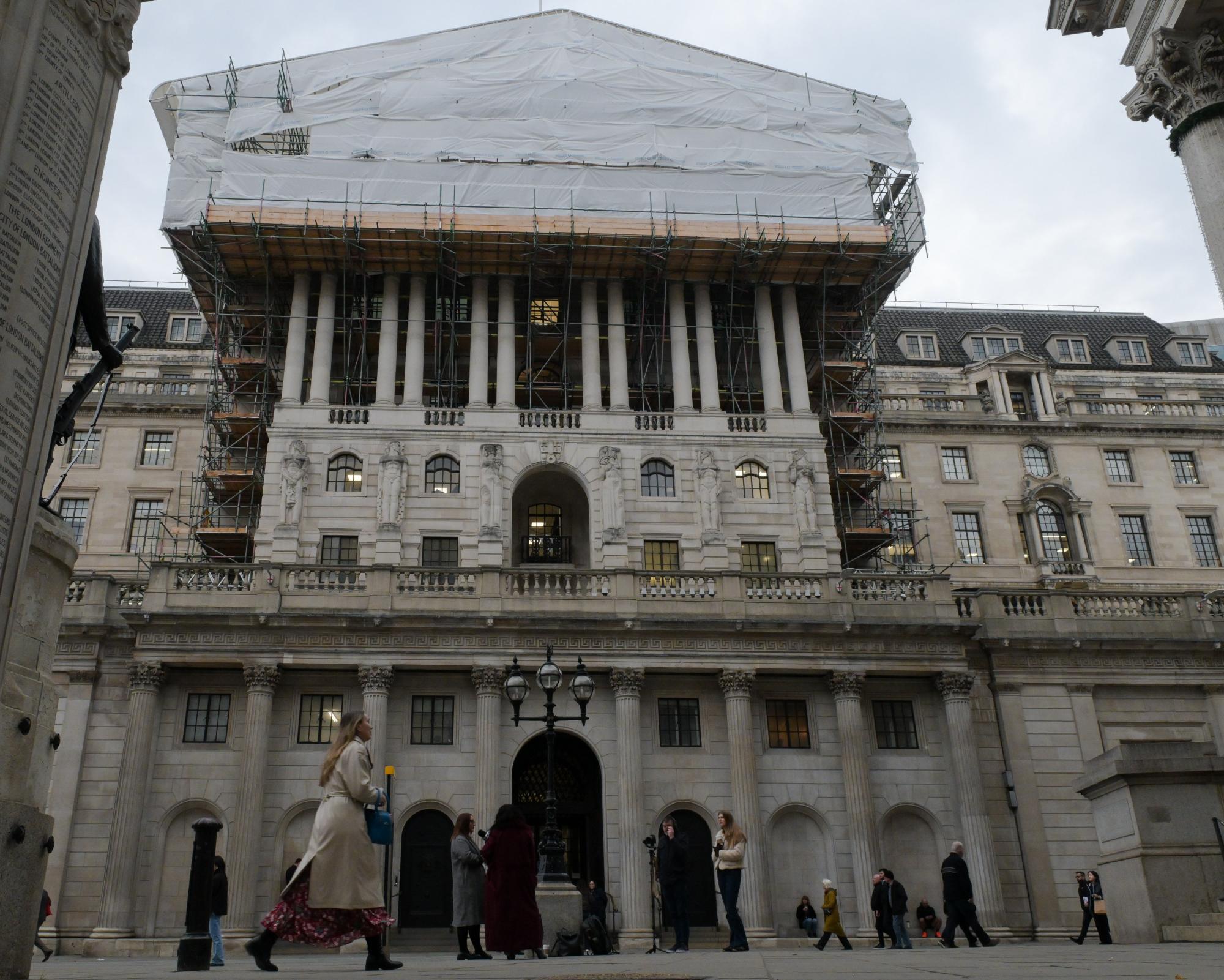
Image via aol.co.ukImage via finance.yahoo.comImage via mirror.co.uk
Andrew Bailey, Governor of the Bank of England, via Property118
Member Catherine Mann, who preferred a half‑point rise to 4.25 %, argued that non‑linear inflation risks demanded a stronger response.
Why the hike matters now
The Bank’s decision reflects two converging pressures. First, the ongoing war in Iran has kept global oil prices above $100 per barrel, feeding through to household energy costs. The Bank’s own projection notes that the Ofgem price cap is expected to rise to £2,150 in January and climb further in April. Second, recent data show the economy growing faster than expected, with the BoE now estimating real GDP growth at 1.6 % this year and 1.3 % next year, outpacing the Office for Budget Responsibility’s forecast.
While the rate rise adds a “measurable, credibility‑preserving” element to policy, analysts caution that the impact on mortgages will be uneven. UK Finance reports that 87 % of the 8.47 million mortgages outstanding are on fixed rates, shielding many borrowers from the immediate effect. Yet nearly 1 million borrowers – roughly 510,000 on tracker loans and 470,000 on standard‑variable‑rate (SVR) products – will see higher repayments straight away.
Mortgage market under pressure
Industry voices echo the concerns of borrowers. Amy Reynolds of Antony Roberts estate agency notes that “fixed‑rate mortgages have been heading towards 6 % for weeks, and mortgage approvals have dropped to their lowest level in almost three years.” She warns that the “real damage is psychological,” as consumers hesitate to take on new borrowing.
Steve Cox, chief commercial officer at Fleet Mortgages, highlights the broader financing environment: “Lenders have been responding to rising funding costs over recent weeks, and there is no reason to assume today’s decision will bring an end to that process.” The market is already pricing in the higher base rate, with the average new mortgage rate climbing to a three‑year high of 5.89 %.
For households with mortgages due to reset, the numbers are stark. Property118’s Andrew Lloyd estimates that 1.8 million fixed‑rate mortgages will mature in 2026, with a further 2.3 million set to expire in 2027. Those borrowers could face “bill shock” as newer deals incorporate the higher base rate.
Housing market response
Zoopla’s Richard Donnell points out that “higher mortgage rates have been a drag on housing market activity since the spring,” with sales agreed down 8 % on the year. Yet he observes that “the sales that are being agreed are happening just as quickly as a year ago as serious buyers become more selective.”
Emily Williams of Savills adds that “we don’t expect to see much reaction in the mortgage market, as lenders have already priced in the expectation of increases for the last few months.” She forecasts an average house‑price decline of ‑1.5 % in 2027, followed by a rebound to 5 % annual growth in 2029 and 2030.
Different outlets report slightly varying inflation trajectories, reflecting the uncertainty surrounding energy prices:
Source
Inflation forecast for mid‑2027
Property118
around 5 %
aol.co.uk (Nov 5)
4.9 %
Reuters (via finance.yahoo.com)
around 5 %
Economies.com
approximately 5 %
What borrowers and savers can do now
Review mortgage contracts early – especially those due to expire in 2026–2027 – and consider locking in rates before further moves.
Shop around for savings products; Moneyfacts reports an average one‑year fixed‑rate savings account paying 4.57 %.
Monitor the Ofgem price cap, slated to rise to £2,150 in January, and factor the higher energy bill into household budgeting.
Keep an eye on the next MPC meeting on 17 December, when the Bank will decide whether another hike is required.
What to watch next
Key dates and indicators that will shape the next chapter of monetary policy:
17 December: Next MPC meeting – decision on whether to raise rates again.
January 2027: First scheduled update to the Ofgem energy price cap.
Mid‑2027: Inflation peak around 5 % as projected by most BoE communications.
2028 Q3: Targeted return of CPI to the Bank’s 2 % goal, contingent on energy‑price dynamics.
In the meantime, the Bank’s stance remains data‑dependent. As Deputy Governor Clare Lombardelli warned, “a further rate hike is likely to be needed in the near term” if inflation pressures persist. Market participants will be watching oil‑price developments, the trajectory of the Middle‑East conflict, and the performance of the UK labour market for clues on the path ahead.
For a deeper look at how the rate rise fits into the broader cost‑of‑living picture, see our Cost of Living coverage. The next few months will test whether the BoE’s measured tightening can pull inflation back toward target without choking the fragile housing recovery.
READER INTELLIGENCE PULSE
How significant is this development?
Contribute your assessment to the aggregated reader sentiment ledger.
Click an option to register your anonymous assessment.
Frequently Asked Questions
Key questions answered in this report
What is the key development in: Bank of England raises interest rates to 4% as inflation rises?
The Bank of England lifted the Bank Rate from 3.75% to 4% amid rising energy-driven inflation and stronger economic activity, impacting UK mortgages.
Why is this Cost of Living development significant for the UK?
This report covers critical events in our Cost of Living beat. Independent reporting monitors related UK statements, regulatory shifts, and public responses as further verified details emerge.
How was this reporting corroborated and verified?
Newsarchy UK compiles and cross-references reporting from primary reporting from mortgagesoup.co.uk and cross-checked wire reports. All coverage adheres to published editorial standards.
When was this report published?
This briefing was published on November 5, 2026 and is permanently cataloged in the Newsarchy UK Cost of Living archives.