UK retail sales jump 0.7% in October as shoppers stockpile essentials
UK retail sales volumes unexpectedly rose 0.7% in October as shoppers rushed to stockpile essential supplies following government emergency preparedness guidance.

UK retail sales jumped unexpectedly as shoppers rushed to purchase essential supplies following government guidance.
According to the Office for National Statistics (ONS), retail sales volumes across the UK increased by 0.7% in October. This marked a rebound from a decline in September, defying expectations of flat growth or a marginal fall. Food stores drove much of the momentum, registering a month-on-month rise that represented the strongest increase for six months.
Media additions


Supermarkets reported to statistical authorities that the surge was propelled by heightened consumer demand for long-life products. Shoppers specifically targeted emergency items such as tinned goods and UHT milk. Tinned tuna manufacturer Princes also reported an increase in demand for its goods following the shift in purchasing habits.
The spending shift followed the launch of the government's 'Be Ready' campaign. The initiative encourages households to accumulate a three-day supply of non-perishable food and bottled water to prepare for potential disruptions to essential services caused by cyber attacks or severe weather events. Defence Secretary Wes Streeting warned that households and businesses must prepare for sophisticated cyber disruptions, while Security Minister Dan Jarvis noted that the campaign aims to align the UK with European counterparts by building national resilience and reducing pressure on emergency services.
Official guidance also urges residents to familiarise themselves with domestic utility controls, including the water stop cock, gas isolation valve, and electricity isolation switch. Officials noted that while householders can turn water and electricity back on themselves, the gas supply must only be restored by a qualified engineer.
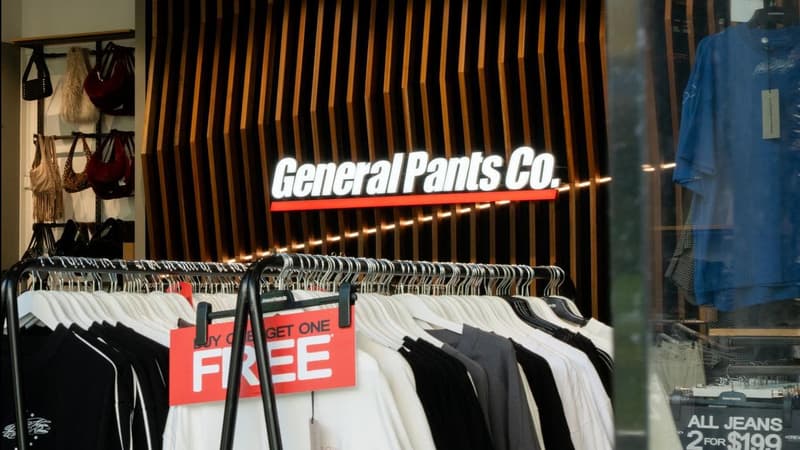
Beyond food stores, non-food sales climbed faster than the overall rate, rising by 1.1%. This growth was driven by greater spending on art galleries, sports equipment, and toy shops. In-store clothing sales also increased as shoppers purchased more items per visit, recovering from inventory constraints experienced by major retailers during September. Meanwhile, fuel sales continued recovering from earlier low levels despite rising pump prices.
Separate economic data released by the ONS showed that government borrowing reached £17bn in October, driven in part by debt interest repayments that hit a record high for the month.
| Economic Metric | Figure / Change | Context |
|---|---|---|
| Retail Sales Volume | +0.7% | Rebound in October following a decline in September |
| Food Store Sales | +0.8% | Strongest increase for six months |
| Non-Food Sales | +1.1% | Driven by art galleries, sports equipment, and toys |
| GfK Consumer Confidence | -22 | Bounced two points in November from Brexit-level lows |
| October Government Borrowing | £17bn | Influenced by record October debt interest repayments |
Market analysts offered varied perspectives on what the October data portends for the wider economy. Sandra Prince, head of corporate consumer at Lloyds, stated via Business Live:
"While this might be a short-term spike, it shows how quickly shoppers react to changing circumstances. Interestingly, some retailers are now rethinking traditional seasonal stock and moving towards more frequent monthly adjustments to reflect the changing weather conditions."
Sandra Prince, Head of Corporate Consumer at Lloyds, via Business Live
Rajeev Shaunak, head of consumer at consultancy MHA, argued that the stockpiling trend is a temporary aberration. He suggested via City AM that the boost is likely a one-off that masks underlying challenges for retailers heading into the festive trading season. Shaunak added that squeezed budgets and fragile consumer confidence leave minimal room for non-essential spending, noting that a rush for discounts during upcoming promotional periods does not equate to a genuine recovery in demand.
Concurrently, consumer confidence showed signs of modest relief. Following a sharp deterioration, the closely-watched GfK index climbed two points to -22 in November. Neil Bellamy, consumer insights director at GfK, noted that the minor recovery should offer reassurance to manufacturers and retailers ahead of the Christmas trading period. However, Bellamy cautioned that both consumer confidence and purchasing indices remain in deeply negative territory, leaving consumer sentiment vulnerable to further economic pressures.
Key Details of the Government Emergency Preparedness Advice
- Maintain a three-day supply of bottled water and non-perishable food items.
- Locate the home water stop cock, gas isolation valve, and electricity isolation switch.
- Understand that gas supplies must only be reconnected by a qualified engineer.
As retailers transition into the critical festive trading window, market observers will closely monitor whether underlying consumer demand strengthens beyond essential stockpiling and discount shopping events.