Labour cuts £1bn from military base upgrades leaving troops in mouldy barracks
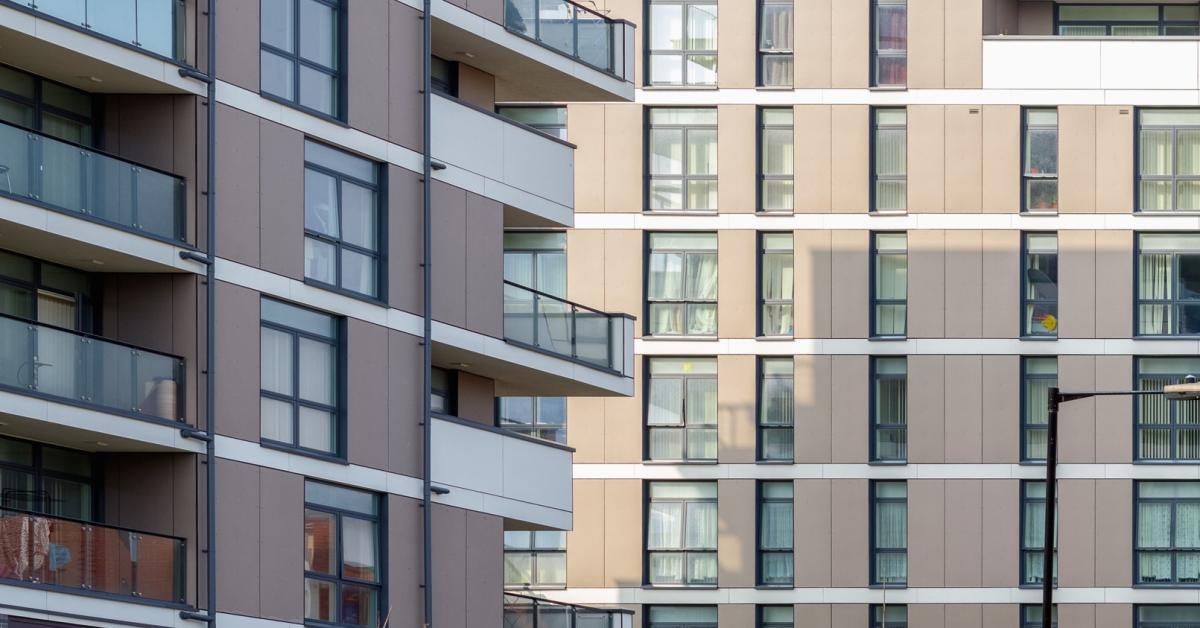
Labour has deferred nearly £1 billion in military housing upgrades until 2029, leaving over 10,000 junior soldiers facing years in barracks plagued by mould, broken boilers, leaky roofs and rats.

Labour has deferred almost £1 billion of military housing upgrades until after the next general election, leaving more than 10,000 junior soldiers facing years in barracks plagued by mould, broken boilers, leaky roofs and rats.
The Government has kicked back plans to spend £950 million by 2029 on renovating ageing accommodation for single soldiers, according to reporting by the Daily Mail. A further £800 million earmarked for military family homes has also been pushed back to 2029, bringing the total deferred to almost £2 billion. Baroness Antrobus told the House of Lords that approximately 10,100 single living accommodation bed spaces would be affected.
Media additions


The decision has reopened a row over defence spending priorities at a moment when Parliament itself is wrestling with a multibillion-pound renovation bill for the Palace of Westminster. The Speaker of the House of Lords has warned that the soaring cost of refurbishing Parliament risks drawing cash away from defence and other priorities, urging that the project be made affordable at a time of tight public finances. The Public Accounts Committee has separately warned that each year of delay to the parliamentary restoration adds £420 million to lifetime costs, with weekly maintenance costs expected to rise from £1.5 million to £2 million.
| Measure | Figure | Source |
|---|---|---|
| Single living accommodation bed spaces affected | Approximately 10,100 | Daily Mail / Baroness Antrobus, House of Lords |
| Funding deferred for single soldiers' accommodation | £950 million | Daily Mail |
| Funding deferred for military family homes | £800 million | Daily Mail |
| Total cash deferred from housing and accommodation | Almost £2 billion | Daily Mail |
| Original Labour pledge for military accommodation this Parliament | £7 billion | Daily Mail |
| MoD investment in new-build single living accommodation by 2030 | £1.4 billion | Daily Mail / MoD |
| Spent on improvement works over past three years | More than £244 million | Daily Mail / MoD |
| Maintenance issues resolved over past three years | Over 614,000 | Daily Mail / MoD |
| Poorest-quality family homes upgraded | 1,250 | Daily Mail / MoD |
| Parliamentary maintenance cost per week, current | £1.5 million | Diss Mercury / PAC |
| Parliamentary maintenance cost per week, expected | £2 million | Diss Mercury / PAC |
| Added lifetime cost per year of parliamentary delay | £420 million | Diss Mercury / PAC |
Veteran commanders have branded the deferral a disgrace. Colonel Hamish de Bretton-Gordon said governments had repeatedly promised to get on top of the state of military housing but it was not happening, adding that millions were being spent housing immigrants while soldiers defending the country went without. Colonel Richard Kemp, who commanded British forces in Afghanistan and Iraq, accused ministers of being unwilling to provide the quality of life troops needed, recalling soldiers living in barracks with stalactites hanging from leaky water pipes.
James Cartlidge, the Tory defence spokesman, said Labour defence ministers had repeatedly and explicitly promised to Parliament that the budget for forces' accommodation would be ringfenced. He said it was now abundantly clear those promises had been broken, and questioned whether ministers had been transparent with Parliament. Cartlidge said cancelling the building and refurbishment of more than 10,000 bed spaces meant around three brigades worth of troops could be left living in mouldy barracks.
Labour's Tan Dhesi, chairman of the defence committee, said continued investment delays would add insult to injury for servicemen and women and their families.
The Ministry of Defence said it was unacceptable that any service person has to deal with issues in their home. A spokesman said that after years of underinvestment, the Government was investing £1.4 billion in new-build single living accommodation by 2030. More than £244 million had already been spent on improvement works over the past three years, over 614,000 maintenance issues had been resolved, and upgrades to 1,250 of the poorest-quality family homes had been completed through a £9.2 billion investment that will see more than 40,000 military homes modernised.
The timing of the military housing deferral is politically sensitive because it comes as MPs and peers prepare to vote on how to proceed with the restoration of the Palace of Westminster. The Lord Speaker, Lord Forsyth of Drumlean, has written to all 796 peers saying the projected bill of up to £40 billion must be overhauled to focus on vital repairs, and that expenditure on the Palace must be judged against the same standards of necessity, affordability and value for money applied elsewhere in the public sector. He pointed out that ministers needed to allocate significantly greater resources to national defence and security at a time of profound international uncertainty.
The Public Accounts Committee, chaired by Sir Geoffrey Clifton-Brown, has warned that the Palace could crumble into managed decline without action, and that each year of delay adds £420 million to lifetime costs. The committee's latest report says the weekly cost of maintenance on the parliamentary estate is expected to grow from £1.5 million to £2 million. MPs and peers will be expected to narrow options from four to two, with a full decant costing up to £15.6 billion and lasting up to 24 years, and a partial decant costing up to £39 billion and lasting up to 61 years. They must also sign off on Phase One of the programme, capped at £3 billion.
The juxtaposition of the two stories exposes a squeeze on the public finances that pits the fabric of Westminster against the living conditions of the armed forces. While the Lord Speaker argues that defence needs significantly greater resources, the Government has deferred almost £2 billion of military housing spending. The National Audit Office warned in June that constant delays to the parliamentary renovations risked adding a further £420 million a year to the cost, with most of the extra cost the result of high inflation adding up to £350 million to annual building costs.
Last year, when John Healey was defence secretary, he said Labour would spend £7 billion during this Parliament on military accommodation to ensure that heroes and their loved ones lived in the homes they deserve. Healey said for too long many military families had lived in sub-standard homes, and that the government was taking decisive action to fix the dire state of military accommodation. Earlier this year, Al Carns, speaking as armed forces minister before he resigned over a defence spending row, insisted funding for military home upgrades would be ringfenced. Jeremy Pocklington, the MoD's permanent secretary, later admitted in a letter to Sir Geoffrey Clifton-Brown that the Government would not spend £7 billion on service accommodation during this Parliament.
Military homes have previously been plagued by mould, broken boilers, leaky roofs and rats, forcing some soldiers to stay in temporary metal containers. The penny-pinching measure means troops now face years before upgrades and renovations can take place, fuelling fears some could be forced to live in squalid barracks.
What to watch next
- MPs and peers are expected to vote on how to proceed with the Palace of Westminster restoration before Parliament breaks for Christmas.
- The Commons and Lords will narrow down restoration options from four to two, with Phase One works capped at £3 billion.
- The MoD has committed £1.4 billion in new-build single living accommodation by 2030, but deferred upgrades mean thousands of troops face years of delay.
- The defence committee, chaired by Tan Dhesi, will continue to scrutinise the impact of delayed investment on servicemen and women and their families.