Unitree CEO Wang Xingxing says humanoid robots approach ChatGPT moment
Unitree CEO Wang Xingxing predicts humanoid robotics is nearing a breakthrough, though software hurdles and physical limitations remain significant challenges.
- Core Development: Unitree CEO Wang Xingxing predicts humanoid robotics is nearing a breakthrough, though software hurdles and physical limitations remain significant challenges.
- Beat Context: Categorized under Business with independent corroboration.
- Reporting Depth: 3 minute analytical read synthesized from verified newsroom sources.
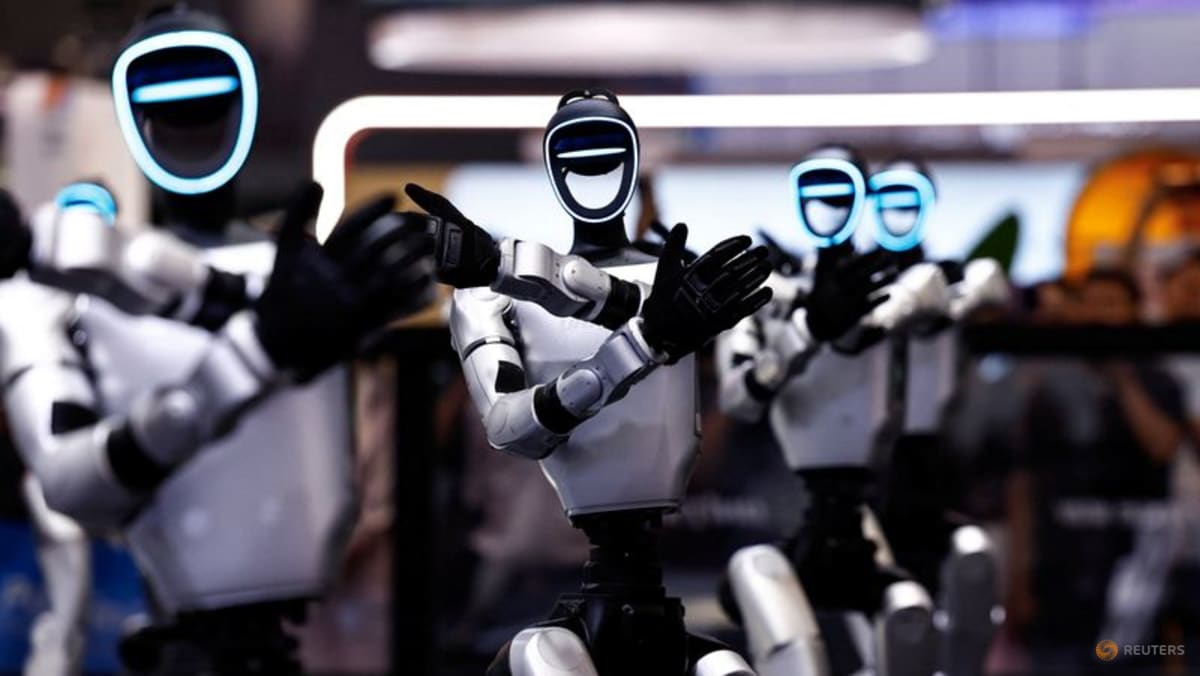
Humanoid robotics stands on the edge of a technological tipping point, though industry leaders warn that practical reality may lag far behind market hype. Speaking at the World Robot Conference in Beijing on Thursday, 20 August 2026, Unitree CEO Wang Xingxing told attendees that the sector is marching toward its own version of a paradigm-shifting breakthrough, according to reporting from The Next Web.
That sober assessment arrived just a day after his company’s blockbuster market debut in Shanghai. Shares in Unitree soared nearly sixfold on Wednesday before tumbling 11 percent on Thursday. The rapid correction highlighted a stark contrast between feverish investor speculation and the physical limitations of current machines. Demand for the listing was described by Chinese brokers as unprecedented for a robotics name, valuing a company whose flagship products include quadrupeds and humanoids.
Wang defined the anticipated breakthrough through a specific metric. He explained that the industry will reach its inflection point when a robot can be placed into an unfamiliar household it has never seen before, receive simple voice or text instructions, and successfully complete roughly 80 percent of requested tasks without any scene-specific prior training. This refined a formulation he previously presented at the Hongqiao forum in Shanghai last November, where he pinned it to a double target of 80 percent of tasks across 80 percent of unfamiliar scenes. A similar threshold was echoed by Wang He, founder of rival startup Galbot, who estimated at the conference that machines will master 70 to 80 percent of everyday unassisted tasks around 2028.
Despite heavy backing from Beijing, which views advanced automation as a crucial countermeasure to a shrinking workforce, the commercialisation barrier remains formidable. Chinese manufacturers shipped more than 40,000 humanoid units in the first half of 2026 alone, dominating global output. According to a report released by a Chinese humanoid industry body on Thursday, China accounts for 97 percent of global shipments of humanoid robots. Yet the core customer base continues to consist primarily of universities and research institutes rather than commercial households.
Hardware capabilities currently outpace software development. Current models remain unable to reliably perform domestic chores like loading an unfamiliar dishwasher. Wang acknowledged that Unitree is currently lagging behind in the real-world application of physical AI models, identifying software limitations as the industry's primary bottleneck. He noted that necessary breakthroughs for world models—the physical AI simulations required for machines to navigate real-world environments—could arrive within an optimistic window of two to three years, or stretch out to five to ten years in a worst-case scenario. No comparable inflexion point has yet emerged for world models, contrasting with the global AI boom sparked by large language models.
Georg Stieler, head of automation at consultancy Stieler, observed that Wang was notably sober about current capabilities given the surrounding market euphoria and spectacular IPO. Meanwhile, the geopolitical backdrop grows increasingly tense. The United States Federal Communications Commission banned future imports of foreign-made humanoid and quadruped robots last month, citing national security concerns and prompting Chinese manufacturers exhibiting at the World Robot Conference to look toward alternative overseas expansion strategies.
Industry Outlook at a Glance
- Core Threshold: Successfully completing 80% of tasks in an unfamiliar home via voice or text commands without prior training.
- Estimated Timeline: Software breakthroughs projected between two to ten years, with rival Galbot targeting 2028.
- Current Market Share: China accounted for over 40,000 humanoid shipments in the first half of 2026, representing 97% of global shipments.
- Primary Customers: Research institutes and universities dominate current sales over commercial households.
How significant is this development?
Contribute your assessment to the aggregated reader sentiment ledger.
Frequently Asked Questions
Key questions answered in this reportWhat is the key development in: Unitree CEO Wang Xingxing says humanoid robots approach ChatGPT moment?
Unitree CEO Wang Xingxing predicts humanoid robotics is nearing a breakthrough, though software hurdles and physical limitations remain significant challenges.
Why is this Business development significant for the UK?
This report covers critical events in our Business beat. Independent reporting monitors related UK statements, regulatory shifts, and public responses as further verified details emerge.
How was this reporting corroborated and verified?
Newsarchy UK compiles and cross-references reporting from primary reporting from thenextweb.com and cross-checked wire reports. All coverage adheres to published editorial standards.
When was this report published?
This briefing was published on August 20, 2026 and is permanently cataloged in the Newsarchy UK Business archives.