US-Iran Tensions Push Oil Prices Higher as Diesel Margins Hit Records
Escalating geopolitical tensions between the United States and Iran have sent crude oil prices climbing, while U.S. diesel profit margins surpassed $100 per barrel.

- Core Development: Escalating geopolitical tensions between the United States and Iran have sent crude oil prices climbing, while U.S. diesel profit margins surpassed $100 per barrel.
- Beat Context: Categorized under Business with independent corroboration.
- Reporting Depth: 4 minute analytical read synthesized from verified newsroom sources.
Escalating hostilities between the United States and Iran have sent crude oil prices climbing, while diesel profit margins in American refineries reached unprecedented heights, according to Yahoo Finance energy reporting. The widening geopolitical rift follows a collapse in diplomatic efforts and a short-lived ceasefire agreed upon in June that failed to endure for a full month.
Brent crude traded at $91.33 per barrel, while West Texas Intermediate changed hands at $85.08 per barrel. The price surge follows a declaration from Tehran that it will adopt a fully offensive posture in its ongoing conflict with Washington. An unnamed senior official in Tehran told Reuters that Iranian entities must prepare for escalated tensions in the Strait of Hormuz and the broader region.
The diplomatic breakdown accelerated after the United States refused to extend the June ceasefire. Adding to the volatility, President Trump, meanwhile, threatened to bomb Gulf ally Oman if it finalized its deal with Iran for the joint management of the Strait of Hormuz, adding further uncertainty to an already uncertain situation, according to Yahoo Finance. Middle East tensions remained elevated after Iran urged the US to accept defeat and President Donald Trump warned Americans to prepare for persistently high fuel prices, as noted by The Economic Times live coverage.
Diesel Crack Spreads Shatter Records Amid Global Supply Crunches
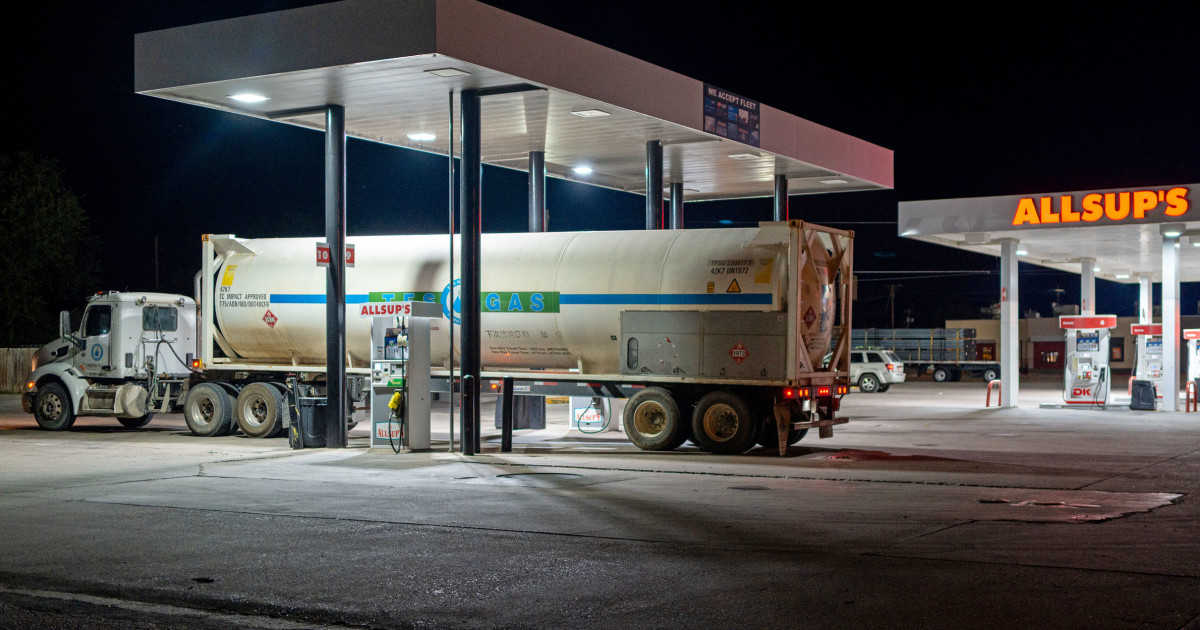
The hardening rhetoric has coincided with a historic tightening of fuel markets. The diesel crack spread in United States refineries surged past $100 per barrel for the first time in history, underscoring severe supply shortages driven by the Middle Eastern war.
This fuel squeeze is part of a broader international shortage. The International Energy Agency reported that global refinery run rates stood at 80.9 million barrels daily, marking a reduction of 5 million barrels per day compared to the previous year. Refineries had earlier prioritized gasoline and jet fuel production to meet heavy travel demand during the summer season, leaving diesel production lagging.
The diesel crunch was further exacerbated by military actions elsewhere. Ukrainian drone attacks on Russian fuel infrastructure forced Moscow — a major global fuel exporter — to ban diesel exports through the end of the year, amplifying global scarcity.
Broader Financial Markets Feel the Strain
The energy shocks are reverberating across wider financial markets. Wall Street's three major stock indexes slipped as investors monitored the rising cost of crude and awaited quarterly reports from major retailers regarding consumer spending, The Economic Times reported. Concurrently, thirty-year Treasury yields climbed to their highest level since 2007, pushed upward by concerns over the U.S. Fiscal trajectory and heavy corporate debt issuance related to artificial intelligence.
In commodities trading, gold prices advanced. Spot gold rose 0.9% to $4,417.24 an ounce, while December U.S. Gold futures settled 0.8% higher at $4,473.70. Reuters reported that a weaker dollar and diminishing expectations of a U.S. Federal Reserve interest rate hike supported bullion while investors tracked Middle Eastern developments.
Federal Reserve expectations have shifted following a string of mild inflation reports and an unexpected decline in retail sales. Traders now price in a 31% chance of a 25-basis-point rate increase, down sharply from even odds the prior week, according to data from the CME FedWatch Tool cited by The Economic Times.
Libya Faces Domestic Energy and Water Crises
Simultaneously, energy infrastructure troubles in North Africa are compounding global supply anxiety. Libya's electricity grid suffered a major collapse, knocking power plants offline across the western, central, and southern regions of the country, according to Oilprice. The Zawiya, Khoms, and Ubari power plants all went offline, resulting in the third major blackout to hit western Libya in a span of two days.
The electrical failure disabled the Great Man-Made River water system, forcing all pumping stations under its control, including wellfields and the Tarhouna pumping station, to halt operations. The network supplies drinking water to much of Libya's population from deep Saharan aquifers.
Chronic power outages have triggered widespread public protests, road blockades, and the closure of government institutions directed at Prime Minister Abdul Hamid Dbeibah's Government of National Unity in Tripoli. These demonstrations threaten the delicate political arrangement dividing the nation between western authorities and the Haftar family's eastern power base, an equilibrium that Washington has attempted to formalize while encouraging U.S. Oil companies to expand operations locally.
Libyan energy installations have faced direct security threats. Protesters previously stormed the Mellitah oil and gas complex, briefly disrupting production at the El Feel and Wafa fields. Subsequent drone strikes near the Zawiya energy hub left more than 700 megawatts of the Zawiya plant's capacity unavailable. The National Oil Corporation warned that ongoing attacks could force it to declare force majeure on exports from Zawiya.
- Crude Benchmark Prices: Brent crude at $91.33 per barrel; West Texas Intermediate at $85.08 per barrel (Yahoo Finance).
- Refining Constraints: U.S. Diesel crack spread exceeds $100 per barrel; global refinery run rates stand at 80.9 million barrels daily (Yahoo Finance).
- Precious Metals: Spot gold reaches $4,417.24 an ounce; December futures settle at $4,473.70 (The Economic Times).
Financial markets will continue monitoring upcoming retail earnings reports from Walmart and Home Depot, as well as corporate performance updates from technology firms such as Nvidia, to gauge the resilience of the broader economy against a backdrop of tightening energy supplies and persistent geopolitical friction.
How significant is this development?
Contribute your assessment to the aggregated reader sentiment ledger.
Frequently Asked Questions
Key questions answered in this reportWhat is the key development in: US-Iran Tensions Push Oil Prices Higher as Diesel Margins Hit Records?
Escalating geopolitical tensions between the United States and Iran have sent crude oil prices climbing, while U.S. diesel profit margins surpassed $100 per barrel.
Why is this Business development significant for the UK?
This report covers critical events in our Business beat. Independent reporting monitors related UK statements, regulatory shifts, and public responses as further verified details emerge.
How was this reporting corroborated and verified?
Newsarchy UK compiles and cross-references reporting from primary reporting from oilprice.com and cross-checked wire reports. All coverage adheres to published editorial standards.
When was this report published?
This briefing was published on August 18, 2026 and is permanently cataloged in the Newsarchy UK Business archives.