Wessex Water imposes first hosepipe ban in 50 years after drought declaration
Wessex Water has introduced its first hosepipe ban in 50 years, placing temporary restrictions on millions of residents following a formal drought declaration.
- Core Development: Wessex Water has introduced its first hosepipe ban in 50 years, placing temporary restrictions on millions of residents following a formal drought declaration.
- Beat Context: Categorized under Business with independent corroboration.
- Reporting Depth: 3 minute analytical read synthesized from verified newsroom sources.
Water restrictions have taken effect for millions of people after Wessex Water introduced its first hosepipe ban in half a century. According to Bbc reporting, the measure arrives as the region is formally declared in a drought following the nation's driest July since records began in 1836. The decision by Wessex Water places temporary limits on everyday activities across Bath and parts of Somerset, Dorset, and Wiltshire, as well as specific areas in Gloucestershire including Berkeley, Sharpness, and Wotton-under-Edge, affecting 1.4 million people.
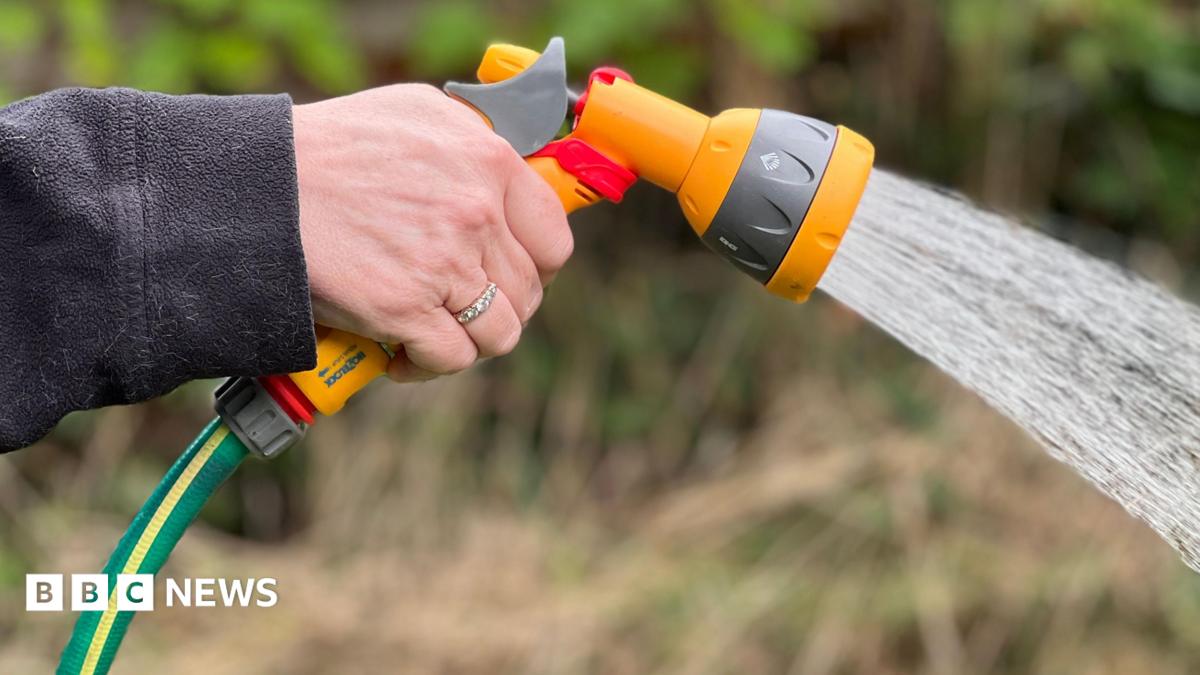
The restrictions prohibit households from using hosepipes for gardening, washing vehicles, cleaning patios, paths, and driveways, washing windows, or filling swimming and paddling pools. Similar emergency declarations and restrictions have been adopted by other water providers, including Thames Water and South West Water, while other companies such as Bristol Water and Severn Trent Water have yet to announce parallel measures.
Media additions

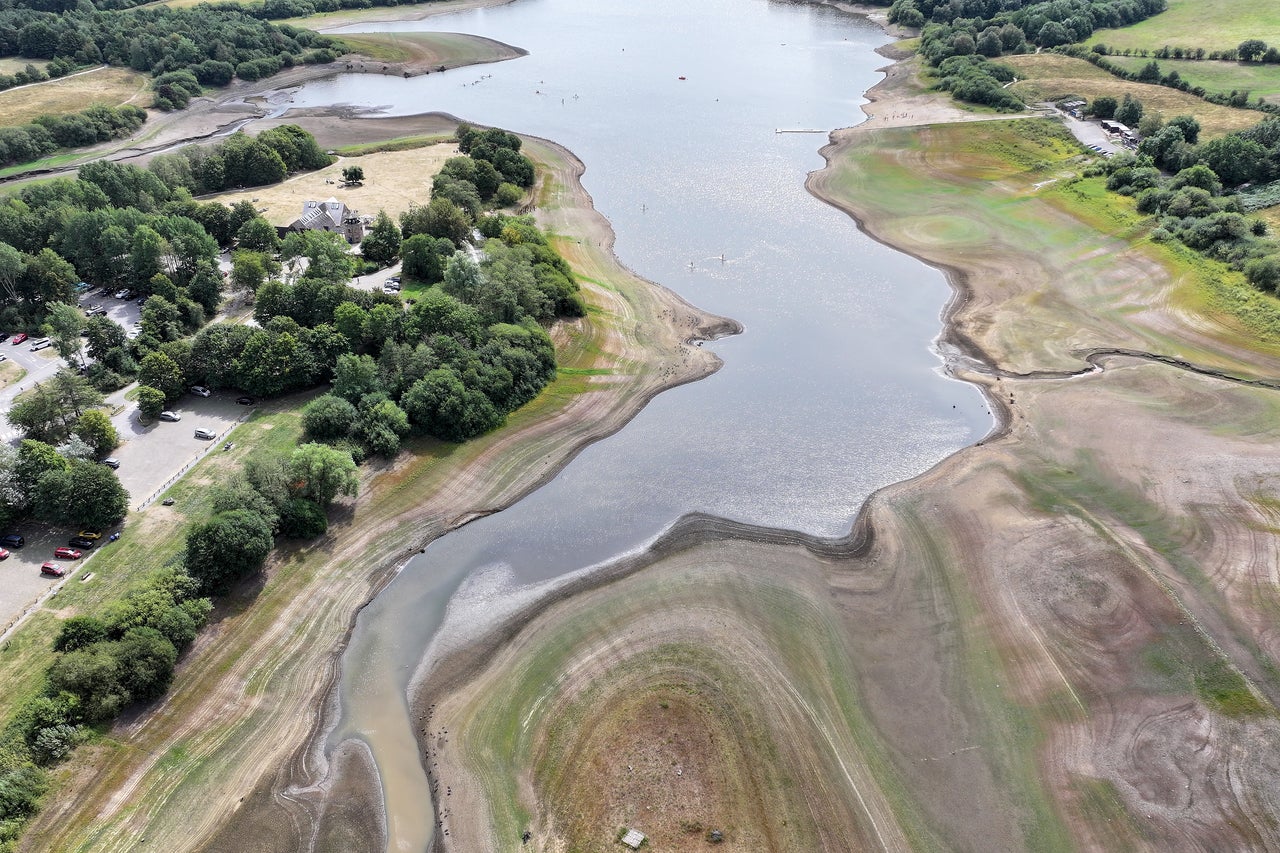

According to Wessex Water chief executive Ruth Jefferson, the prolonged dry spell pushed regional demand above normal thresholds.
Jefferson added that while essential water supplies remain intact, the core obstacle involves moving water through the distribution network quickly enough to satisfy record consumption."The prolonged and extreme dry weather has meant demand across our region has consistently remained at more than 400 million litres per day, 30% above average for this time of year and the equivalent of almost half a million hosepipes running for a full hour every day,"
Ruth Jefferson, Chief Executive, via BBC
Breaking the temporary use ban constitutes a criminal offence under the Water Industry Act, carrying potential fines of up to £1,000. However, exemptions exist to protect vulnerable individuals, including those managing chronic or serious illnesses such as Parkinsons, MS, MND, cancer, stroke, organ failure or severe arthritis.
The broader national picture reflects intense strain across England and Wales, where over 27 million people live under temporary restrictions following months without significant rainfall, according to reporting by Inews. Political debate has intensified around long-term solutions, with Reform UK pledging to scrap bans entirely, remove consumption targets, and increase reservoir construction and desalination plants if it enters government. Critics point out that such engineering projects face significant hurdles, including high costs, lengthy construction timelines, and complex planning constraints. For instance, Thames Water's planned reservoir in Abingdon, Oxfordshire, has risen in cost to £7.5bn since the project started, and such infrastructure is typically funded through customer bills or public funds.
Experts and meteorologists caution that immediate relief may not arrive quickly enough to reverse deep-seated environmental deficits. While rain and cooler temperatures are forecast for parts of England and Wales, Met Office chief meteorologist Will Lang noted in reporting by Aol that precipitation levels will likely remain below normal for the season.
Lang added that while autumn typically brings wetter and windier conditions, it remains uncertain whether the incoming volume will alleviate current drought pressures."Having seen virtually no rainfall in southern parts of the UK, we will see some rainfall. 'How much?' is the question. The answer is probably not too much compared with our forecast. It’s looking like the overall amount of rain will still be below normal for the time of year,"
Will Lang, Chief Meteorologist, via AOL
What to Watch Next
- Weather Patterns: Sustained rainfall over a prolonged period is required for rivers, underground aquifers, and reservoirs to recover fully from months of dry weather.
- Lifting Restrictions: Water companies, including Southern Water and Anglian Water, have not set a specific termination date for the bans, stating that measures will remain until water resources and environmental levels return to normal operating conditions.
- Infrastructure Debates: Ongoing political and regulatory discussions continue regarding long-term investments in reservoirs and desalination facilities to handle future climate pressures.
How significant is this development?
Contribute your assessment to the aggregated reader sentiment ledger.
Frequently Asked Questions
Key questions answered in this reportWhat is the key development in: Wessex Water imposes first hosepipe ban in 50 years after drought declaration?
Wessex Water has introduced its first hosepipe ban in 50 years, placing temporary restrictions on millions of residents following a formal drought declaration.
Why is this Business development significant for the UK?
This report covers critical events in our Business beat. Independent reporting monitors related UK statements, regulatory shifts, and public responses as further verified details emerge.
How was this reporting corroborated and verified?
Newsarchy UK compiles and cross-references reporting from primary reporting from inews.co.uk and cross-checked wire reports. All coverage adheres to published editorial standards.
When was this report published?
This briefing was published on August 18, 2026 and is permanently cataloged in the Newsarchy UK Business archives.