Content creators face rising theft as AI tools clone performances into fake avatars
Social media creators are battling digital theft as automated software clones their performances into unauthorized AI avatars to drive traffic.

Content creators across social media are facing an escalating wave of digital theft as cheap software clones their original performances into unauthorized AI avatars, raising urgent questions about online security and intellectual property rights.
Performance cloning has evolved beyond isolated incidents into a systemic issue for digital artists. According to reporting by the Bbc, musicians, dancers, and comedians are discovering that unauthorized accounts are copying their exact movements, music, and facial expressions using automated substitution software. The practice, known as reskinning, allows bad actors to strip the original creator out of a viral video and replace them with a hyper-realistic, often over-sexualized synthetic character designed to maximize views and monetization. UK-based guitarist Sophie Lloyd, who tours with Machine Gun Kelly, found her guitar performances repeatedly duplicated by accounts using fake avatars to drive traffic to subscription services, as detailed by El Balad. Similar automated theft has targeted Norwegian content creator Kjetil Krogstad, whose dancing video was replaced with an AI bunny, and British automotive creator Grace Roberts.
Media additions

The financial and professional fallout for working artists is severe. Creators invest significant capital into equipment, travel, and years of skill-building, only for automated programs to siphon away exposure, followers, and advertising revenue in seconds. While social media firms such as Meta claim to be exploring ways to flag reposted content and limit the reach of repeat offenders, industry unions argue that traditional copyright legislation remains entirely inadequate for the digital age. Stopping the proliferation of cloned performances is frequently described as a game of whack-a-mole, as anonymous operators simply launch new accounts once flagged.
| Creator / Victim | Impersonation Method | Reported Impact / Destination |
|---|---|---|
| Sophie Lloyd | AI "reskinning" of guitar videos with synthetic avatars | Redirected traffic to Fanvue adult subscription pages |
| Kjetil Krogstad | Dancing video replaced by an AI bunny | Millions of views for the clone; promoted AI money-making courses |
| Madison Miller's Mother | Voice cloning for virtual kidnapping extortion | Psychological trauma and urgent scam call demanding ransom |
Beyond the entertainment sector, audio and visual cloning techniques are driving a dangerous surge in financial fraud and extortion schemes. Law enforcement and security specialists note that criminals are utilizing brief clips of publicly available audio to replicate the voices of loved ones in distress. In a recent Massachusetts incident covered by Hoodline, a mother received an urgent phone call featuring a cloned voice that sounded identically like her daughter begging for release from a staged hostage situation. Security experts emphasize that these vishing attacks rely heavily on psychological manipulation, urgency, and specialized vocabulary harvested from public platforms to deceive victims into wiring immediate ransom payments or handing over banking credentials.
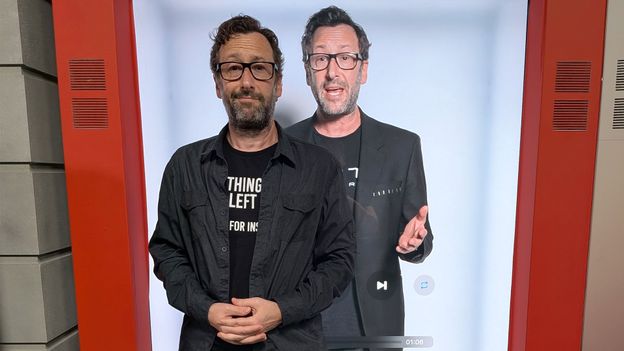
The broader adoption of synthetic doubles extends straight into the corporate suite and public office, though not without friction. Tech executives and prominent public figures are increasingly experimenting with digital duplicates to scale their communications and manage heavy workloads. Yet, the same technologies are weaponized to fuel elaborate conspiracy theories or bypass strict financial security protocols. As noted in coverage from The Verge, political leaders have struggled to dispel viral deepfake rumors regarding their safety and authenticity amid escalating geopolitical tensions. Meanwhile, regulatory bodies across international jurisdictions are scrambling to establish mandatory watermarking and identity verification safeguards to stem the tide of synthetic disinformation.
- Establish Family Protocols: Security guides recommend agreeing upon secret codewords or verification questions that cannot be answered via public social media searches, as highlighted by BECU.
- Verify Independent Channels: When receiving unexpected distress calls or urgent financial requests, hang up immediately and contact the individual directly using a trusted, known phone number.
- Audit Digital Footprints: Restrict social media profiles and video feeds to private settings to limit the raw audio and visual data accessible to malicious cloning software.
As detection tools lag behind generative capabilities, the burden increasingly falls on individual vigilance and platform accountability. Legal analysts anticipate further legislative pushes from entertainment guilds and consumer protection agencies as courts grapple with the unauthorized commercial appropriation of human likeness. In the culture sector, artists continue to demand robust content credentials and instantaneous takedown tools to protect their livelihoods from automated piracy.