ADHD and anxiety benefit claimants face cuts for job support
Unemployed young people with conditions like ADHD and anxiety face sweeping welfare overhauls that could replace benefit payments with employment support.

- Core Development: Unemployed young people with conditions like ADHD and anxiety face sweeping welfare overhauls that could replace benefit payments with employment support.
- Beat Context: Categorized under Cost of Living with independent corroboration.
- Reporting Depth: 3 minute analytical read synthesized from verified newsroom sources.
Hundreds of thousands of unemployed young people with conditions such as ADHD and anxiety face sweeping welfare overhauls that could replace their benefit payments with employment support. The proposals have sparked intense debate over the government's approach to long-term sickness and disability benefits, raising fears among claimants who rely on financial assistance to travel to work and cover basic living costs. As ministers and advisers target social security spending to boost participation, critics warn that reducing financial support risks pushing vulnerable individuals further from the workplace and deeper into poverty.
The push to restructure state support involves examining how young adults who are not in education, employment or training (Neets) are assisted by the state. According to reporting by iNews, the government’s youth unemployment tsar Alan Milburn suggested that many young people with conditions including ADHD and anxiety should see a shift in the state support they receive, declaring that work beats welfare every single time. Department for Work and Pensions data indicates that roughly a quarter of Neet young people live with mental health conditions like depression and anxiety. Separate data highlights that around 440,000 young people aged 16 to 24 claim Personal Independence Payments (PIP), with that figure having doubled over five years.
Media additions
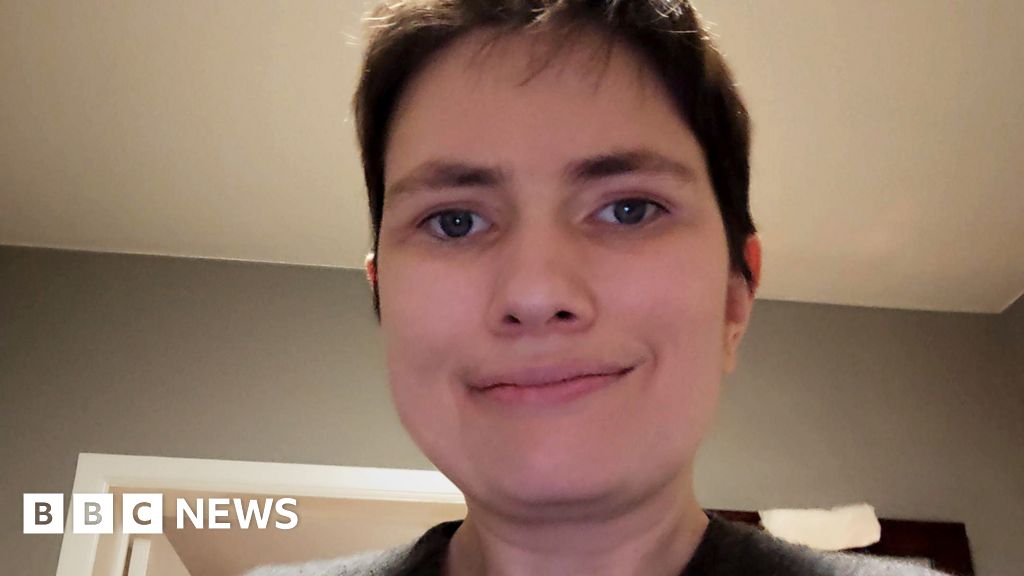


A separate review overseen by disabilities minister Sir Stephen Timms is examining how to reform PIP, prompting concerns that accessing support for ADHD and anxiety will become significantly harder. Claimants have expressed deep anxiety over the shifting criteria. Daisy, a 22-year-old from west London who manages ADHD, depression, anxiety, and fibromyalgia, told the BBC that the recent policy announcements severely impacted her mental health. She noted that losing her primary source of support would leave her struggling and heavily reliant on her family. Similarly, Emily, a 41-year-old autistic flight attendant from Croydon who receives PIP to help manage daily routines, warned that stricter reassessments and changing criteria threaten her financial stability and ability to afford travel to work.
Political figures have traded sharp criticisms over the direction of welfare policy. During party conference discussions, leading opposition figures advanced proposals to tighten disability benefits further, prompting strong pushback from advocacy groups. Disability News Service reported that senior opposition politicians drew heavy criticism for comments regarding claimants with mild depression and anxiety, with researchers reminding officials of historical links between past welfare crackdowns and severe distress among disabled individuals.
Work and Pensions Secretary Liz Kendall maintains that upcoming measures will encourage claimants to work or work more while generating billions in savings. However, disability charities argue that stripping back income fails to address the underlying barriers disabled people face when trying to enter the labour market. The wider debate also intersects with discussions around flexible working arrangements. Research highlighted by Startup Daily indicates that hybrid and remote options provide vital sensory control and routine flexibility for neurodivergent employees, including those with ADHD and autism, helping them maintain productivity without experiencing severe workplace exhaustion.
| Welfare Category / Measure | Reported Figures & Estimates | Primary Source |
|---|---|---|
| Young people not in education, employment or training (Neet) | Surpassed 1 million for the first time since 2013 earlier in the year | iNews |
| Young people aged 16–24 claiming PIP | Around 440,000 claimants, having doubled over the last five years | iNews |
| Neet young people with mental health conditions | Approximately 250,000 individuals estimated by DWP data | iNews |
| Motability scheme customer base | Total of 860,000 customers across all eligible groups | Disability News Service |
Further reforms are expected to take shape as the government reviews out-of-work sickness benefits and explores international models, such as employment support systems used in the Netherlands, to tackle youth unemployment. Readers seeking ongoing updates can follow developments through Cost of Living coverage.
How significant is this development?
Contribute your assessment to the aggregated reader sentiment ledger.
Frequently Asked Questions
Key questions answered in this reportWhat is the key development in: ADHD and anxiety benefit claimants face cuts for job support?
Unemployed young people with conditions like ADHD and anxiety face sweeping welfare overhauls that could replace benefit payments with employment support.
Why is this Cost of Living development significant for the UK?
This report covers critical events in our Cost of Living beat. Independent reporting monitors related UK statements, regulatory shifts, and public responses as further verified details emerge.
How was this reporting corroborated and verified?
Newsarchy UK compiles and cross-references reporting from primary reporting from inews.co.uk and cross-checked wire reports. All coverage adheres to published editorial standards.
When was this report published?
This briefing was published on September 9, 2026 and is permanently cataloged in the Newsarchy UK Cost of Living archives.