Bank of England eyes December rate rise as UK inflation hits one-year high
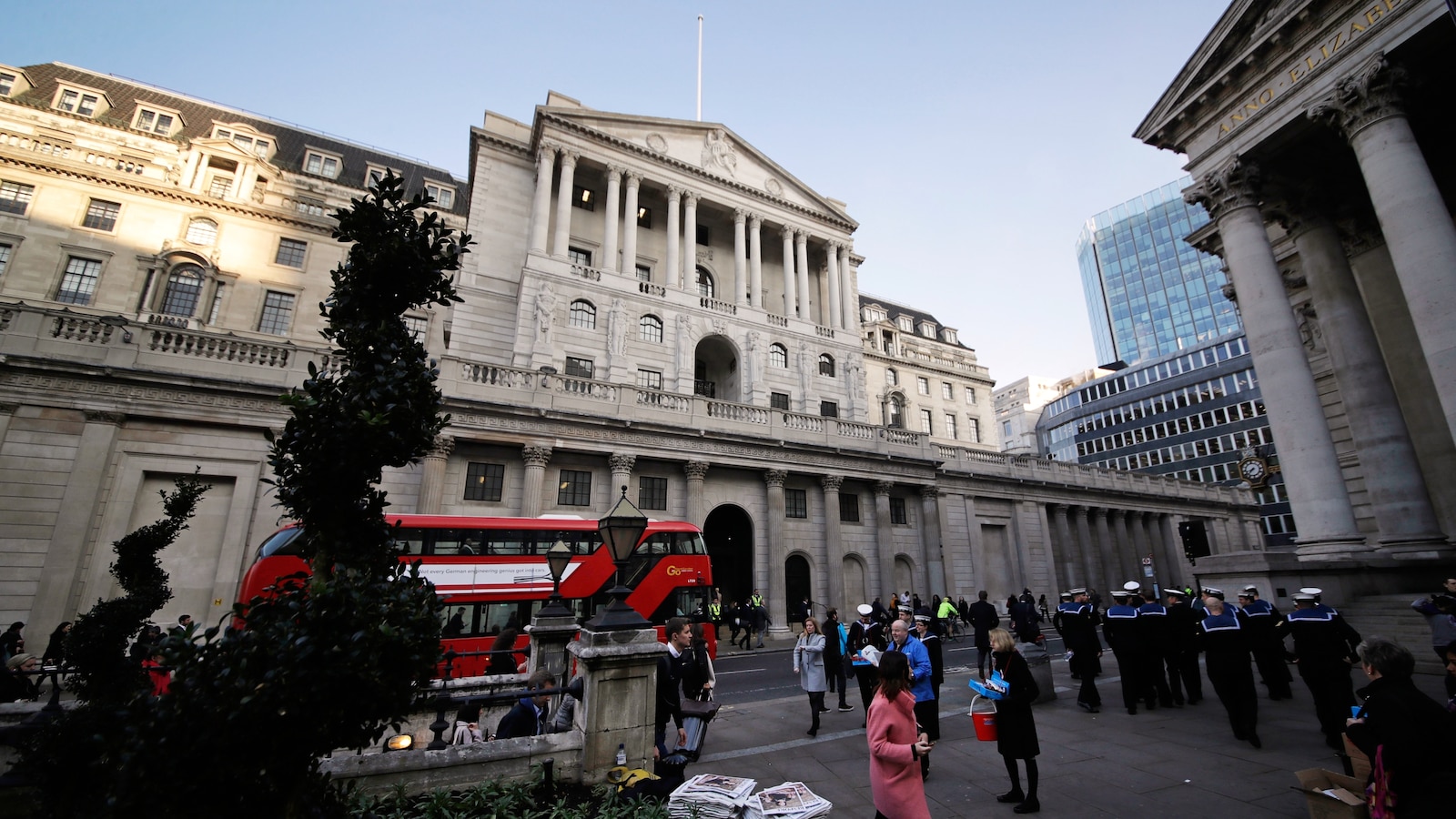
UK consumer price inflation rose to a one-year high of 3.6% in October, driven by surging fuel costs and higher tobacco taxes as households face growing cost pressures.

UK consumer price inflation reached a one-year high of 3.6% in October 2026, according to official figures published on Wednesday, 18 November 2026 by the Office for National Statistics. The consumer prices index rose from 3.5% in September, marking a consecutive monthly increase that matched median economist forecasts in a Reuters poll, though it fell below the 3.7% projection set by the Bank of England earlier in the month.
The central bank had previously raised borrowing costs to limit the spillover of energy price shocks into wider consumer goods and services. According to the ONS, the acceleration was driven primarily by surging fuel costs for motorists and higher tobacco taxes. The average price of petrol rose by 5.2p per litre between September and October to 174.7p, reaching its highest level since August 2022. Diesel climbed by 7p to 199.5p per litre, marking the highest level since records began in 1996. Higher tobacco taxes also contributed to the monthly rise, taking effect earlier in the year than previously.
Media additions
Despite the rising headline figure, financial markets trimmed their bets on an imminent December rate rise. Investors reacted to calmer readings in underlying inflation metrics, which failed to accelerate as sharply as many analysts anticipated. Core inflation, which excludes volatile food, energy, alcohol, and tobacco prices, held steady at 2.8%. Services inflation, a critical gauge monitored closely by rate-setters for domestic price momentum, remained unchanged at 3.7%, missing Reuters poll expectations of 3.8%.
Schroders chief economist David Rees noted that the slightly softer underlying metrics made a December interest rate hike less probable, though they did little to alter the broader medium-term outlook. Institute of Chartered Accountants in England and Wales chief economist Suren Thiru warned that the figures made a December rate hike difficult to avoid.
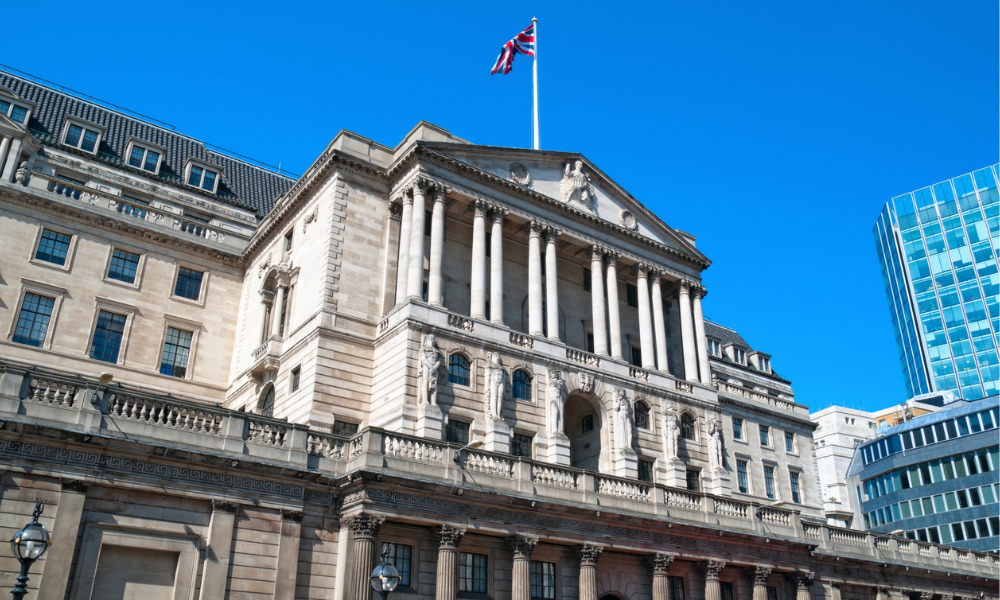
That hawkish view found support in commentary from the central bank itself. In a rare intervention following the data release, a Bank of England spokesperson emphasized that policymakers would continue setting interest rates to ensure inflation returns to its 2% target and remains there.
"The conflict in the Middle East has caused energy prices and inflation to rise in recent months, and inflation is expected to rise further by the middle of next year due to cost pressures already in the pipeline. The MPC raised Bank Rate two weeks ago to limit how much higher energy costs affect other prices, and will continue to set interest rates to make sure inflation returns to the 2pc target and stays there."
Bank of England, Spokesperson, via The Daily Telegraph
| Metric / Indicator | Previous Month | October 2026 Figure | Analyst / Official Expectation |
|---|---|---|---|
| Headline CPI Inflation | 3.5% | 3.6% | 3.7% (BoE forecast) / 3.6% (Reuters poll) |
| Core Inflation | 2.8% | 2.8% | 2.8% expected |
| Services Inflation | 3.7% | 3.7% | 3.8% expected |
| Petrol (average per litre) | Not stated | 174.7p | Highest since August 2022 |
| Diesel (average per litre) | Not stated | 199.5p | Highest since records began in 1996 |
Households face additional cost pressures on the horizon. Energy consultancy Cornwall Insight forecast that annual energy bills under the Ofgem price cap will surge by £443 in January, reaching their highest level since 2023. Energy analysts attribute this upcoming midwinter spike to wholesale gas market pressures driven by ongoing conflicts in the Middle East. Central bank projections indicate that headline inflation could climb toward 5% by the middle of next year before moderating.
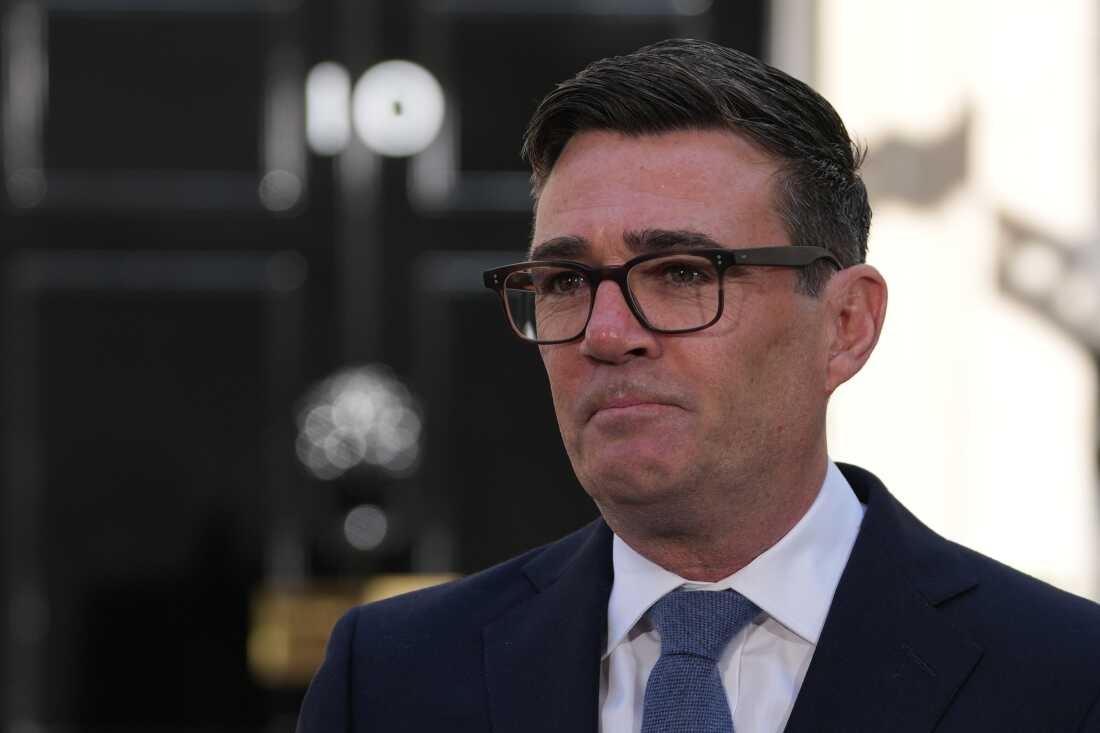
Political figures traded blame over the broader economic strain. Chief Secretary to the Treasury Emma Reynolds pointed to long-term government action initiated in the Budget to reduce energy costs permanently by removing levies and standing charges. Meanwhile, shadow chancellor Andrew Griffith criticized government tax policies and soaring employment costs, arguing that families with mortgages face prolonged financial distress.
Market reaction to the inflation release was muted. The pound slipped slightly against the US dollar, while UK government bond futures rose as traders adjusted their monetary policy expectations. Financial institutions and mortgage borrowers now await further data releases to gauge whether rate-setters will authorize a second consecutive increase before the end of the year.
What to watch next
- 16 December 2026: Release of the November consumer price inflation figures by the Office for National Statistics.
- 17 December 2026: The Monetary Policy Committee announces its interest rate decision at noon.
- Early January 2027: Implementation of the updated Ofgem energy price cap, which is expected to push average household utility bills higher.
For ongoing updates on household finances, visit our dedicated Cost of Living coverage.