Duke Energy customers face higher bills as proposed rate hikes and credits end
Duke Energy customers face higher bills as proposed rate increases take effect in January 2027 and a $42 monthly credit program ends December 31, 2026, while UK heating oil prices have risen sharply.
Duke Energy customers face higher bills as proposed rate hikes and credits end.
Households managing tight budgets face mounting pressure this winter as utility rate increases, expiring bill credits, and climbing fuel costs collide with severe weather warnings and broader cost-of-living strains.
Media additions

In North Carolina, customers of WRAL — Higher power bills loom this winter — even for households using less are bracing for scheduled changes even after adopting energy-saving measures. Andrew Hefner, a fixed-income resident who installed a heat pump, added insulation, and upgraded appliances, reported paying more despite consuming less electricity. Hefner stated that his household has cut all discretionary spending, including decades of animal rescue work. When the prices keep going up, something’s got to go somewhere
Andrew Hefner, resident, via WRAL, he said.
Duke Energy is seeking rate increases beginning in January, while a program providing eligible participants with monthly bill credits is scheduled to conclude on Dec. 31. According to the company, roughly 80,000 customers are enrolled in the credit scheme. Duke initially pursued residential rate increases of approximately 18% over two years, though subsequent settlements reduced those figures following pushback from consumer advocates and Attorney General Jeff Jackson. The proposed agreements would raise residential rates by about 9.5% over two years for Duke Energy Carolinas and 6.8% for Duke Energy Progress, taking effect in stages beginning Jan. 1, 2027.
Attorney General Jeff Jackson urged regulators to reject the proposed adjustments according to WRAL, arguing that the utility does not require as much revenue from ratepayers to meet demand over the next two years. Duke defended the agreements as a balance between affordability and essential grid investments. The company reported $1.077 billion in second-quarter net income, up from $971 million the previous year, prompting consumer advocates to question the necessity of higher charges. Meanwhile, Claire Williamson, senior energy policy advocate at the North Carolina Justice Center, warned that losing predictable monthly assistance just as winter heating demands peak could severely impact low-income households.
| Utility / Region | Proposed Rate Adjustment | Assistance & Cost Changes | Source |
|---|---|---|---|
| Duke Energy Carolinas | ~9.5% over two years (beginning Jan 1, 2027) | $42 monthly credit ends Dec 31, 2026 (~45,000 enrolled) | WRAL |
| Duke Energy Progress | ~6.8% over two years (beginning Jan 1, 2027) | $42 monthly credit ends Dec 31, 2026 (~35,000 enrolled) | WRAL |
| Devon (Heating Oil) | No Ofgem cap; prices up from ~60p to ~97p a litre | Tank refills cost hundreds of pounds extra (~41,000 households reliant) | BBC |
| Guernsey (Heating Oil) | Prices up from ~75p to over 100p a litre | Full tank costs roughly £1,150 compared to £750 previously (~30,000 households reliant) | BBC |
Simultaneously, rural communities dependent on heating oil face severe price shocks driven by geopolitical tensions. As reported by BBC, Rising oil prices create 'huge worry' as winter looms, heating oil prices climbed from about 60p a litre before the conflict in Iran to roughly 97p a litre, according to price comparison website Boiler Juice. Cheryl Cottle-Hunkin, Devon County Council cabinet member for rural affairs and broadband, described the shifts as severe shocks rather than minor increases. Cottle-Hunkin noted that 41,000 households in Devon rely on heating oil and lack the protection of an Ofgem price cap, leaving tank refills hundreds of pounds higher than expected. Mark Clews, a resident near Callington, contrasted current costs exceeding £1 a litre with the 55p a litre he paid the previous year, explaining that his family uses electric blankets on beds and sofas to minimize active heating.
In Guernsey, Nigel Staples of Guernsey Fuel and Oil Watch reported that prices had climbed above 100p a litre, raising the cost of a full tank to approximately £1,150 from £750 a year prior for an estimated 30,000 oil-boiler households. The UK Government pointed to £53 million allocated to support heating oil users, £1 billion for local authority crisis funds, and a reduced red diesel rate for farmers and the fishing industry.
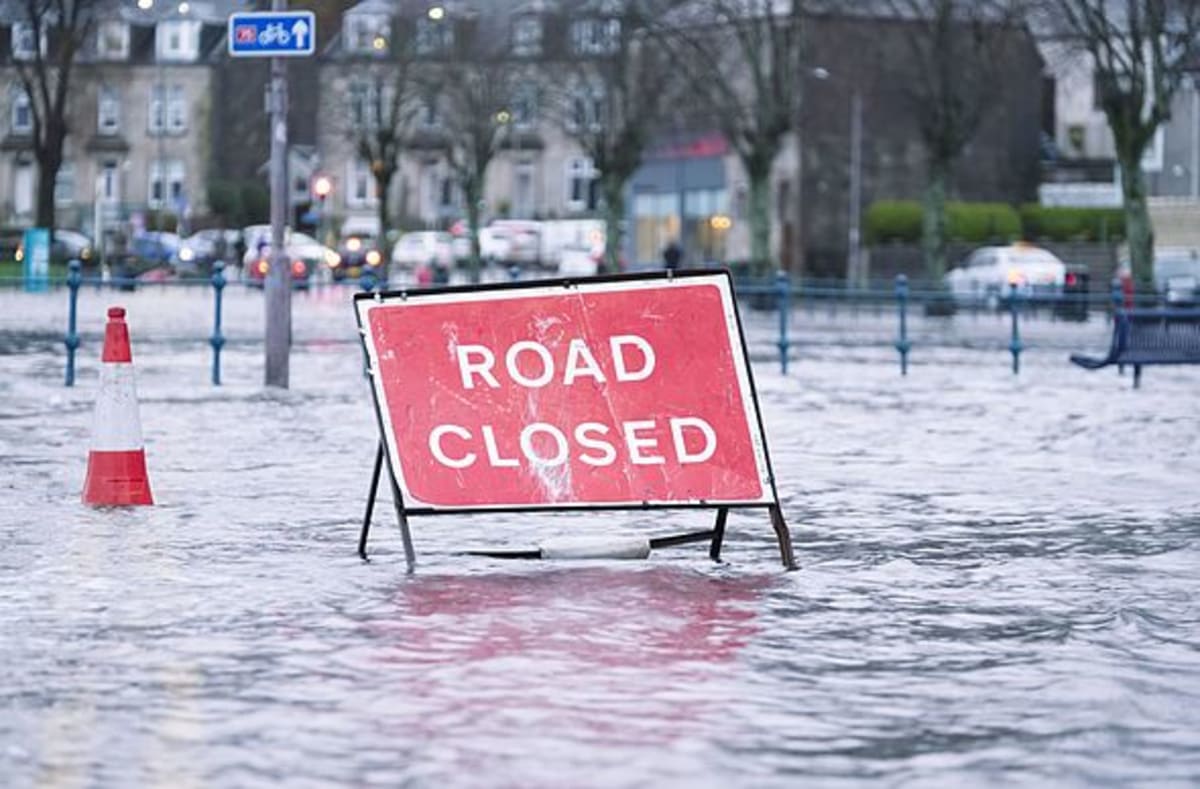
Adding to the seasonal strain, British households are urged to prepare emergency kits as an unprecedented El Niño climate phenomenon peaks. Aol, UK households urged to buy 9 essential items ahead of El Niño reported that Security Minister Dan Jarvis highlighted upcoming challenges as the Government launched a nationwide preparedness campaign. GOV.UK notes that a significant El Niño is expected toward the end of 2026, with some forecasts predicting the strongest event on record. Met Office scientists indicated that the phenomenon increases the likelihood of wetter, stormier conditions for northwest Europe alongside severe winter cold spells, threatening secondary disruptions to global food supply chains.
What to watch next
- The North Carolina Utilities Commission will review proposed settlement terms for Duke Energy rate increases taking effect in January 2027.
- The $42 monthly Customer Assistance Program credit is scheduled to expire on Dec. 31, pending any commission intervention.
- The El Niño climate event is projected to peak in December 2026, bringing potential storm and cold weather disruptions across the UK.


