IFS criticises John Healey's risky Budget over weak UK growth and debt
Chancellor John Healey's new Budget has faced criticism from the Institute for Fiscal Studies for leaving the UK exposed to financial shocks with a reduced fiscal buffer.
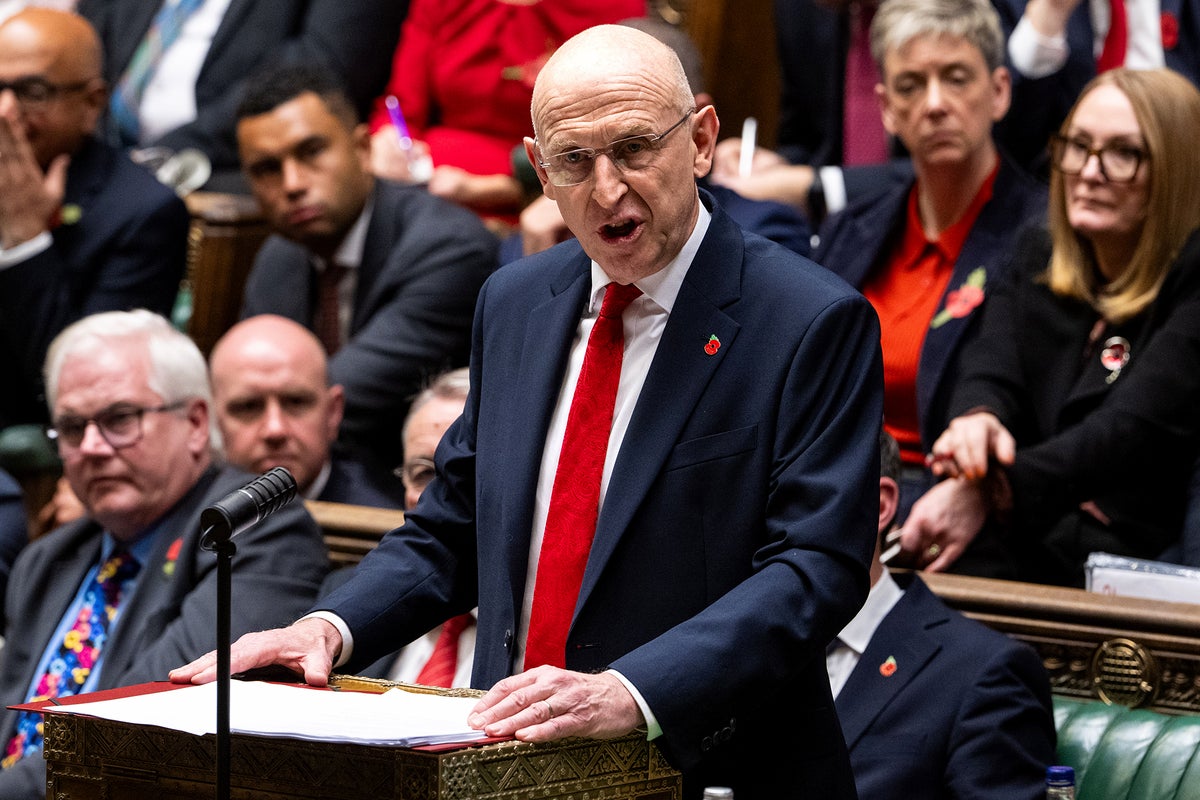
- Core Development: Chancellor John Healey's new Budget has faced criticism from the Institute for Fiscal Studies for leaving the UK exposed to financial shocks with a reduced fiscal buffer.
- Beat Context: Categorized under Cost of Living with independent corroboration.
- Reporting Depth: 4 minute analytical read synthesized from verified newsroom sources.
Chancellor John Healey has faced intense backlash following a newly unveiled Budget, with leading economic authorities warning that his fiscal strategy leaves the United Kingdom dangerously exposed to fresh financial shocks. In an assessment reported by The Independent, the Institute for Fiscal Studies (IFS) condemned the package for failing to address what it termed the worst decade for household income growth on record. While the chancellor defended his course-correcting measures as a pragmatic response to international instability, analysts point out that dwindling fiscal buffers, ballooning debt interest payments, and unaddressed public sector funding crunches threaten lasting damage to the economy.
The core flashpoint in the post-Budget analysis centers on the dramatic reduction of the government's financial headroom. According to The Independent, the fiscal safety buffer has been slashed significantly, dropping down to £15 billion in the 2029/30 fiscal year. This represents a steep decline from earlier projections estimated by the Office for Budget Responsibility under Rachel Reeves.
Media additions

IFS director Helen Miller warned that while allowing headroom to shrink might absorb short-term borrowing costs, the lower buffer essentially strips away the government's capacity to absorb bad news. Echoing these concerns, BBC News analysis noted that higher inflation and escalating debt have driven up borrowing costs by £14bn in the past year alone. Without convincing the markets that future debt can be reined in, debt interest repayments are projected to be £160bn in 2032, overshadowing major public sector budgets such as school funding in England.
At the same time, living standards continue to stagnate. Writing for the BBC, Dharshini David observed that official forecasters predict rising earnings will fail to compensate for higher prices and taxes. Households across Britain face the grim reality that inflation-adjusted disposable incomes are set to be typically lower across the next two years than the start of the parliament.
| Metric / Projection | Previous Estimate | Current Outlook / Target |
|---|---|---|
| Fiscal Headroom (2029/30) | £24 billion | £15 billion |
| National Tax Burden Peak | Historic baseline | 38.6% |
| Defence Spending Target | Baseline allocations | 3 per cent of economic output by 2030 |
| Projected Housing Construction Deficit | Previous baseline | 190,000 fewer homes built by 2032 |
The pinch is felt acutely across public services and departmental budgets. The IFS cautioned that keeping government departmental envelopes largely unchanged while inflation outpages expectations means that the real-terms value of budgets has been cut. Furthermore, The Independent highlighted that the chancellor has drawn down a substantial portion of both capital and day-to-day Treasury reserves to help fill a £4.7 billion funding shortfall in defence investment plans—a move criticized by the think tank as an improper use of emergency buffers.
Other business and policy groups offered similarly unenthusiastic reviews. The Resolution Foundation argued the package will do little to address the sharp challenges facing Britain. Meanwhile, the Confederation of British Industry dismissed the announcements as a “nothing” Budget which did not meet the scale of that ambition set out by Mr Burnham.
Yet, proponents of the chancellor's strategy argue that playing a cautious, wait-and-see game is the only prudent option in an exceptionally volatile global environment. The BBC noted that market reactions seemed reassured by the chancellor's fiscal discipline, avoiding dramatic market shocks despite the absence of crowd-pleasing policy sweeteners.
Unresolved structural challenges loom large over the government's medium-term trajectory. Major reforms to curb the surging costs of welfare have been temporarily shelved. According to The Independent, ministers are waiting for the forthcoming publication of Alan Milburn's review into the youth unemployment crisis, which is due to be published next month.
Housebuilding targets have similarly suffered a severe setback. Due to persistent regulatory hurdles and higher costs, the Office for Budget Responsibility estimates that 190,000 fewer homes will be built by 2032 compared to what it thought in March.
What to Watch Next
- Next Month: Publication of Alan Milburn's review into the youth unemployment crisis, which will set the baseline for forthcoming welfare reform measures.
- Next Year: The government's upcoming Spending Review, which independent analysts flag as the critical crunch point where unallocated departmental cuts and public service funding gaps will collide.
- 2030: The target milestone for the government to ramp up defence spending to 3 per cent of economic output.
How significant is this development?
Contribute your assessment to the aggregated reader sentiment ledger.
Frequently Asked Questions
Key questions answered in this reportWhat is the key development in: IFS criticises John Healey's risky Budget over weak UK growth and debt?
Chancellor John Healey's new Budget has faced criticism from the Institute for Fiscal Studies for leaving the UK exposed to financial shocks with a reduced fiscal buffer.
Why is this Cost of Living development significant for the UK?
This report covers critical events in our Cost of Living beat. Independent reporting monitors related UK statements, regulatory shifts, and public responses as further verified details emerge.
How was this reporting corroborated and verified?
Newsarchy UK compiles and cross-references reporting from primary reporting from The Independent and cross-checked wire reports. All coverage adheres to published editorial standards.
When was this report published?
This briefing was published on October 29, 2026 and is permanently cataloged in the Newsarchy UK Cost of Living archives.


