Liz Truss says she takes ‘not very much’ blame for mini budget economic chaos
Former prime minister Liz Truss has rejected responsibility for the economic turmoil following her administration's policies, blaming central banking structures instead.
- Core Development: Former prime minister Liz Truss has rejected responsibility for the economic turmoil following her administration's policies, blaming central banking structures instead.
- Beat Context: Categorized under Cost of Living with independent corroboration.
- Reporting Depth: 5 minute analytical read synthesized from verified newsroom sources.
Former prime minister Liz Truss has insisted she takes not very much
blame for the severe economic turmoil that followed her administration's controversial economic announcements, pointing instead to institutional bodies and central banking structures.
Ms Truss made the remarks during a media appearance on Tuesday to promote her book, pushing back against the consensus that her £45 billion package of unfunded tax cuts triggered the financial collapse that ended her tenure after 49 days in office. According to Nation, the former prime minister argued that a spike in the gilt market initiated the chain of events leading to her departure, rather than the fiscal policy itself.
Media additions


When questioned on her personal responsibility for the soaring borrowing costs, Ms Truss replied: Not very much is the answer.
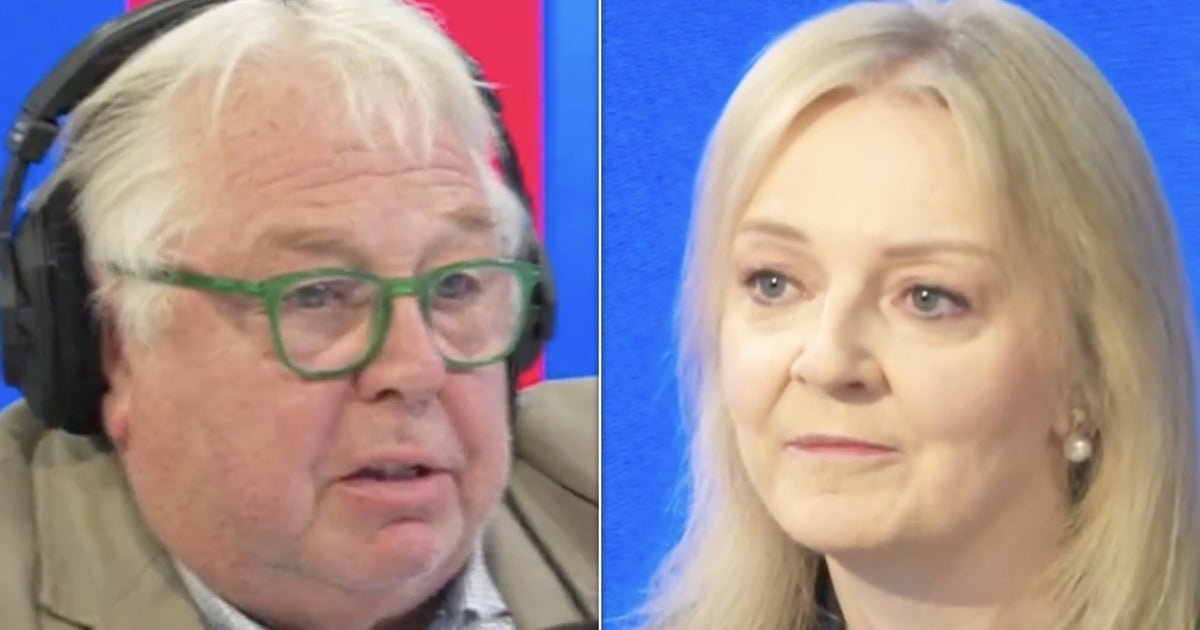
She asserted that two-thirds of the spike originated from liability-driven investment pension funds, compounded by the central bank's quantitative tightening policies. As reported by HuffPost UK, she later maintained during a breakfast broadcast that she remained proud of the measures despite LBC presenter Nick Ferrari noting that the strategy had tanked the economy
.
The debate surrounding the policy decisions echoes wider international and domestic criticism. US President Joe Biden previously described the approach as a mistake, stating that he disagreed with cutting taxes on wealthy earners while warning about global inflation and a lack of sound policy elsewhere. Meanwhile, domestic reactions have highlighted stark regional divisions. During a previous local radio tour documented by The i Paper, regional BBC presenters confronted the then-prime minister over soaring inflation, crumbling public infrastructure, and the immense pressure placed on working families.
In addition to targeting financial institutions, Ms Truss criticized political figures and cultural discussions, taking aim at figures such as Andy Burnham over media appearances while economic challenges persist, as noted by the Daily Express. The government announced everyday fixes ahead of a budget expected to feature tax and spending decisions from Chancellor John Healey, even as political fallout from the former prime minister's media rounds continues.
The former Conservative leader argued on Tuesday that her unfinanced tax plans did not cause the turmoil, attributing responsibility instead to the Bank of England and Treasury officials. She defended her actions during promotional rounds for her book, maintaining that liability-driven investment funds and quantitative tightening drove the crisis. Critics, including broadcasters and international leaders such as US President Joe Biden, previously characterized the fiscal strategy as a critical error that severely impacted the UK economy.
Ms Truss told Sky News that it was not her 2022 mini budget that went wrong, stating that a spike in the gilt market led to the chain of events resulting in her resignation. She said two-thirds of the spike was caused by liability driven investment pension funds hit by her and her chancellor Kwasi Kwarteng's package, combined with the Bank of England's action to start quantitative tightening the day before the mini budget. She argued that even without the mini budget, quantitative tightening and LDIs would have caused the same outcome, claiming the vast majority of responsibility lies with the Bank of England.
In her book Bank Job, Ms Truss admitted she did not know about the LDI market or the Bank of England's quantitative tightening plans. Challenged over this lack of awareness, she argued prime ministers should not have to do their own research and railed against civil servants who did not raise red flags over the plans or the LDI issue. She stated that the people co-ordinating fiscal and monetary policy did not inform them of these risks, expecting the Treasury to warn about the risks of announcements.
During an appearance on LBC, Nick Ferrari told Ms Truss her plan had tanked the economy, noting she lasted 49 days after mortgage rates soared, inflation went up, and the value of the pound collapsed. Despite this, she remained unrepentant, stating it was her budget and she was proud of what was in it. She claimed the Bank of England was deliberately making government debt more expensive through quantitative tightening and suggested the central bank was ideologically opposed to her plans.
US President Joe Biden called the abandoned economic plan a mistake and remarked that he was not the only world leader concerned about a lack of sound policy elsewhere. Speaking in Oregon, Biden said it was predictable the prime minister was forced to backtrack on aggressive tax cuts without funding. Labour figures, including shadow foreign secretary David Lammy, asserted that the U-turns made Britain's economy an international punchline and demonstrated the dangers of trickle-down economics. Chancellor Jeremy Hunt stated the mini budget went too far, too fast, signaling the demise of her economic vision and the need for difficult spending and tax decisions.
During her earlier local radio tour across various BBC regional stations, presenters such as Rima Ahmed on BBC Radio Leeds, Anna Cookson on BBC Radio Kent, Sarah Julian on BBC Radio Nottingham, and James Hanson on BBC Radio Bristol challenged Ms Truss over record-low pound values, emergency interventions by the Bank of England, rising food bank usage, crumbling hospital infrastructure, and fears regarding pensions and living standards. Presenters pushed back against her attempts to blame global factors and the war in Ukraine exclusively.
The Daily Express reported that Ms Truss attacked Andy Burnham for appearing on Gogglebox rather than discussing the economy, expressing frustration that the political class focuses on entertainment while economic challenges persist. She also criticised the Office for Budget Responsibility as an arm's length forecasting body that restricts a chancellor's ability to direct ideas, describing the institutional structures in Britain as a system that does not work.
How significant is this development?
Contribute your assessment to the aggregated reader sentiment ledger.
Frequently Asked Questions
Key questions answered in this reportWhat is the key development in: Liz Truss says she takes ‘not very much’ blame for mini budget economic chaos?
Former prime minister Liz Truss has rejected responsibility for the economic turmoil following her administration's policies, blaming central banking structures instead.
Why is this Cost of Living development significant for the UK?
This report covers critical events in our Cost of Living beat. Independent reporting monitors related UK statements, regulatory shifts, and public responses as further verified details emerge.
How was this reporting corroborated and verified?
Newsarchy UK compiles and cross-references reporting from primary reporting from nation.cymru and cross-checked wire reports. All coverage adheres to published editorial standards.
When was this report published?
This briefing was published on October 27, 2026 and is permanently cataloged in the Newsarchy UK Cost of Living archives.