UK minimum wage to rise by nearly 1,000 pounds a year in budget
Chancellor John Healey is expected to unveil salary measures including a 3.9% increase to the National Living Wage, lifting hourly pay to £13.20.
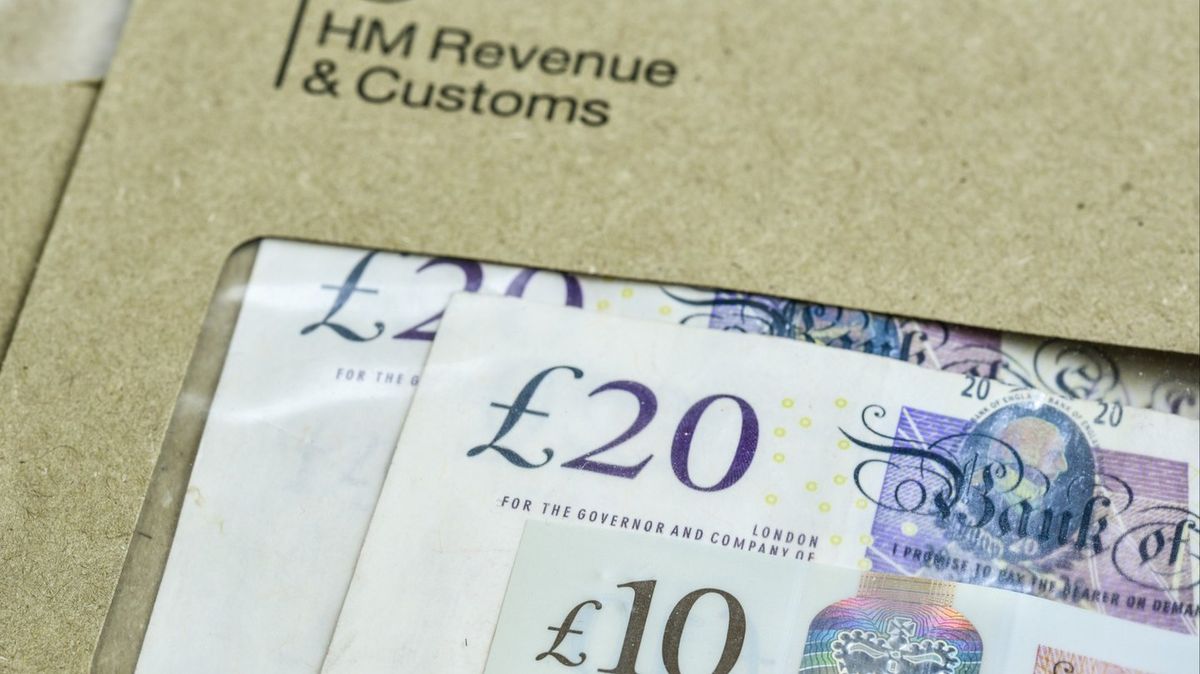
- Core Development: Chancellor John Healey is expected to unveil salary measures including a 3.9% increase to the National Living Wage, lifting hourly pay to £13.20.
- Beat Context: Categorized under Cost of Living with independent corroboration.
- Reporting Depth: 4 minute analytical read synthesized from verified newsroom sources.
Millions of workers across the United Kingdom are bracing for a crucial pay packet update as Chancellor John Healey prepares to unveil major salary measures in the upcoming Autumn Budget on Wednesday (28 October). According to reports, the National Living Wage, applying to those over 21, will rise from £12.71 to £13.20 – a rise of 3.9 percent, or 49 pence per hour. The adjustment represents a 3.9 percent rise, or an additional 49 pence per hour, which translates to a gross pay increase of nearly £1,000 per year for full-time employees, based on a standard 37.5-hour working week across 52 weeks. Ladbible has calculated that this 49p hourly increase adds up to £956 as a gross-pay calculation.
Meanwhile, the National Minimum Wage, which applies to anyone aged between 18 and 20, will see a 3.9 percent increase, rising to £11.27. Labour previously promised to end 'discriminatory' minimum wage bands in its 2024 election manifesto. It saw the party promise to bring wages for 18 to 20-year-olds in line with those over the age of 21 before 2030. In a manifesto-breaking move on Wednesday, the Chancellor is expected to end the trend of hiking the national minimum wage for those aged 18 to 20 by more than the rate for older workers. If announced, those changes will come into effect next year, according to a report in the Times.
Media additions

For an average part time role, working 18.75 hours per week, the gross increase for minimum wage workers over 21 would be £477.75 per year. Exact take-home pay will ultimately vary once tax deductions are applied. These potential earnings stand in sharp contrast to compensation structures elsewhere in Europe; international comparisons highlight that UK minimum hourly rates remain considerably higher than equivalent statutory baselines in nations like Spain, where full-time minimum earners make significantly less as reported by Euro Weekly News. Euro Weekly News notes that a full-time worker on Spain’s minimum wage earns €17,094 a year before tax, while someone on the UK minimum makes roughly €29,600 to €31,600 for a similar week.
| Worker Group / Metric | Current Rate | Proposed / Projected Rate | Percentage Increase | Estimated Annual Gross Impact |
|---|---|---|---|---|
| National Living Wage (Aged 21+) | £12.71 / hour | £13.20 / hour | 3.9% | £956 (Full-time: 37.5 hrs/wk) |
| National Minimum Wage (Aged 18–20) | £11.27 / hour (projected baseline) | £11.27 (reported rise) | 3.9% | Varies by hours worked |
However despite the National Living wage increase reports, the Living Wage Foundation has argued that workers would still struggle to meet every day costs
and that the actual independent living wage is calculated at £14.10 outside of London, and £15.45 in the capital. According to LADbible reporting, the Living Wage Foundation argues that many workers will continue struggling with daily outlays. Co-Director, Emily Sawh said:
Consequently, nearly 17,000 employers have voluntarily committed to paying the real Living Wage, ensuring their staff earn a wage that reflects the real cost of living and what people need to get by."This reported increase in the legal minimum wage will be welcome news for the millions of workers facing continued pressure on household finances."
Emily Sawh, Co-Director, via LADbible
Financial strains extend beyond wages into the housing sector, where rental markets continue to pressure household finances. The average UK rent is £1,406 a month (about €1,680), rising to £2,338 in London. These housing costs consume a substantial portion of a minimum-wage earner's monthly income, mirroring similar affordability pressures documented in urban centers across Europe—such as the metropolitan realities tracked in Lisbon - Wikipedia data regarding population density and economic concentration.
The Autumn budget will be Andy Burnham’s first since becoming Prime Minister in July and is expected to also cover student loan repayments, fuel duty, energy costs and a fuel mileage tax. Beyond minimum wage modifications, the government’s upcoming announcements are expected to cover student loan repayment structures, fuel duty rates, domestic energy costs, and a proposed fuel mileage tax. The formal announcements are scheduled for delivery on Wednesday, 28 October 2026, after which official implementation dates for the wage increases will be finalized for the coming year.
How significant is this development?
Contribute your assessment to the aggregated reader sentiment ledger.
Frequently Asked Questions
Key questions answered in this reportWhat is the key development in: UK minimum wage to rise by nearly 1,000 pounds a year in budget?
Chancellor John Healey is expected to unveil salary measures including a 3.9% increase to the National Living Wage, lifting hourly pay to £13.20.
Why is this Cost of Living development significant for the UK?
This report covers critical events in our Cost of Living beat. Independent reporting monitors related UK statements, regulatory shifts, and public responses as further verified details emerge.
How was this reporting corroborated and verified?
Newsarchy UK compiles and cross-references reporting from primary reporting from Euro Weekly News and cross-checked wire reports. All coverage adheres to published editorial standards.
When was this report published?
This briefing was published on October 27, 2026 and is permanently cataloged in the Newsarchy UK Cost of Living archives.