Martin Lewis warns frozen tax thresholds are biggest tax rise in years
Financial expert Martin Lewis warns that frozen income tax thresholds are driving a major tax rise, overshadowing recent relief measures.

- Core Development: Financial expert Martin Lewis warns that frozen income tax thresholds are driving a major tax rise, overshadowing recent relief measures.
- Beat Context: Categorized under Cost of Living with independent corroboration.
- Reporting Depth: 4 minute analytical read synthesized from verified newsroom sources.
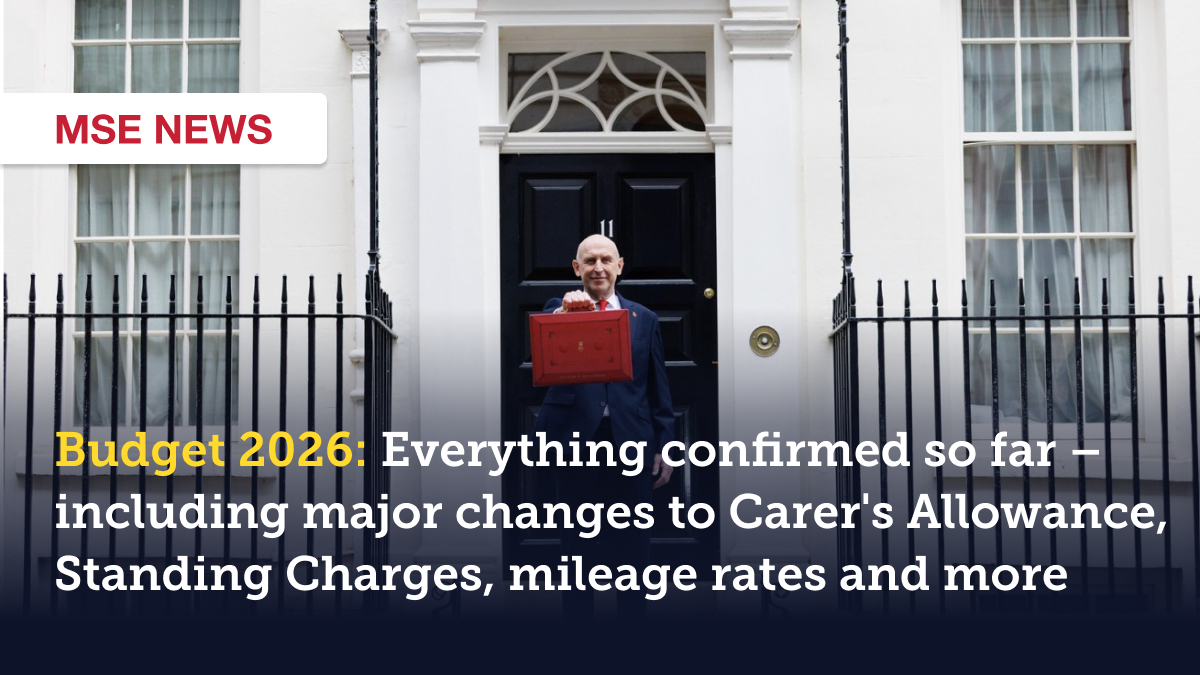
Financial expert Martin Lewis has issued a stark warning that frozen tax thresholds are driving the single largest tax increase seen by British households in years, overshadowing many of the relief measures introduced in the Autumn Budget. Delivered on Wednesday, 28 October 2026, the first fiscal statement from Chancellor John Healey aimed to alleviate mounting cost of living pressures, yet experts warn that the silent accumulation of fiscal drag continues to erode household incomes across the UK.
As detailed in Manchestereveningnews — Martin Lewis breaks down how Budget 2026 will affect you, Mr Lewis used his instant social media reaction to praise certain concessions while immediately highlighting the looming burden of unadjusted thresholds. Traditionally, income tax bands keep pace with inflation, but the personal allowance remains frozen at £12,570, a level it has occupied since April 2021 and which is now scheduled to remain fixed until at least April 2031, according to Moneysavingexpert — Budget 2026: Martin Lewis' instant reaction and analysis. As average earnings rise due to inflation, this mechanism, known as fiscal drag, pulls an increasing proportion of wages into taxation.
Media additions


Graduates managing Plan 2 student loans face what Mr Lewis termed "double fiscal drag." Because the repayment threshold is frozen at £29,385 through 2030, any pay rise triggers additional student loan repayments alongside extra income tax. Mr Lewis condemned this policy as a breach of natural justice, arguing that it retroactively alters the terms agreed upon by students when they entered higher education.
Amid these tax pressures, the government announced targeted relief for households grappling with surging utility bills. According to The Guardian, Budget 2026: what it means for your wallet, your mortgage and ..., Chancellor John Healey rolled out a package designed to navigate what he termed global economic storms. Around 20 million households in England residing in council tax bands A through D will receive a direct £100 energy payment in January 2027. This payment is timed to coincide with a predicted 27% surge in the Energy Price Cap over the winter months.
Energy bills will undergo structural changes as well. Standing charges on gas bills, the fixed daily fees levied regardless of consumption, will be abolished for approximately 23 million homes. Treasury projections indicate that shifting these costs onto the unit rate will lower bills for lower-energy users while increasing them for heavier consumers. Furthermore, the temporary VAT cut on domestic electricity has been extended until July 2027.
Savers and prospective homeowners received a mixed set of policy updates. Plans to slash the annual cash ISA allowance for under-65s from £20,000 to £12,000 have been scrapped, preserving the full £20,000 limit. However, individuals who pay tax on savings interest will face a four-percentage-point increase in their tax rates starting in April 2027. Basic-rate taxpayers will pay 24%, higher-rate taxpayers 44%, and top-rate taxpayers 49% on interest exceeding their personal savings allowances.
For first-time buyers, the government has adjusted the Lifetime ISA penalty structure. Previously, withdrawing funds to purchase a home valued above the £450,000 threshold incurred a 25% penalty that effectively reduced the principal saved. That penalty has been reduced to 20%, ensuring buyers get back what they deposited plus interest. The change took effect immediately on Thursday, 29 October 2026. a new mortgage equity loan scheme titled 'Your First Home' will open for applications in February 2027, offering first-time buyers of new-build properties an interest-free loan of up to 15% with a minimum 2.5% deposit.
| Financial Measure | Previous Rule / Rate | New Rule / Rate Effective Date |
|---|---|---|
| Cash ISA Allowance (Under-65s) | Proposed cut to £12,000 | Retained at £20,000 limit |
| Lifetime ISA Withdrawal Penalty (over £450k homes) | 25% penalty charge | Reduced to 20% from 29 October 2026 |
| National Minimum Wage (Aged 21+) | £12.71 per hour | Rising to £13.21 per hour in April 2027 |
Pensions and state support also saw notable revisions. When the new state pension increases to £13,036 in April 2027, it will surpass the frozen £12,570 personal tax allowance for the first time. To prevent pensioners from incurring small tax liabilities, the government introduced a Pension Tax Allowance designed to provide a tapered exemption. Chancellor John Healey stated in the Mirror, UK Budget 2026 Live: Martin Lewis 'delighted' over lifetime ... that the fiscal roadmap represents a budget for the working people of Britain, providing immediate financial relief alongside investments in local community powers and energy market reforms.
Fuel duty will remain frozen as the temporary 5p cut is extended through July 2027, and mileage reimbursement rates for workers using personal vehicles will increase for journeys exceeding 10,000 miles.
What happens next depends heavily on upcoming legislative timelines and regional budget releases. Devolved administrations such as Scotland will set their own income tax thresholds during the Scottish Budget on 3 December 2026. Meanwhile, consumers await further consultations regarding the proposed starter investment ISA, and households in council tax bands A through D will see the £100 energy support payments automatically credited via direct debit beginning in January 2027.
How significant is this development?
Contribute your assessment to the aggregated reader sentiment ledger.
Frequently Asked Questions
Key questions answered in this reportWhat is the key development in: Martin Lewis warns frozen tax thresholds are biggest tax rise in years?
Financial expert Martin Lewis warns that frozen income tax thresholds are driving a major tax rise, overshadowing recent relief measures.
Why is this Cost of Living development significant for the UK?
This report covers critical events in our Cost of Living beat. Independent reporting monitors related UK statements, regulatory shifts, and public responses as further verified details emerge.
How was this reporting corroborated and verified?
Newsarchy UK compiles and cross-references reporting from primary reporting from moneysavingexpert.com and cross-checked wire reports. All coverage adheres to published editorial standards.
When was this report published?
This briefing was published on October 28, 2026 and is permanently cataloged in the Newsarchy UK Cost of Living archives.


