Australian theatre companies face growing deficits despite rising ticket sales
Major Australian performing arts organizations are recording substantial operational deficits despite robust ticket sales and millions of patrons filling auditoriums.
Live theatre across Australia is experiencing an acute financial paradox. While attendance figures remain robust and millions of patrons fill auditorium seats, major performing arts organizations are recording substantial operational deficits. The growing disconnect between popular demand and financial viability has intensified scrutiny over the structural economic model underpinning the stage, prompting industry-wide calls for systemic reform.
Recent high-profile cancellations of major musical productions, including Waitress and Beetlejuice, have brought the economic realities of touring and staging large-scale works into sharp focus. While financial pressures on households could easily discourage discretionary spending, Abc reports that audience engagement has not collapsed entirely. Data from the Australian Bureau of Statistics' General Social Survey indicates that 22.8 per cent of Australians aged 15 and over attended a theatre performance in the prior 12 months, representing more than 5 million people.
Media additions


Yet high attendance fails to translate into profitability. Financial statements from major companies reveal a persistent struggle to break even. Queensland Theatre expanded its mainstage audience by 5.6 per cent and grew box-office revenue by 42 per cent, yet finished the year with a deficit of $989,000. Bell Shakespeare saw its income rise from $10.96 million to $11.47 million, but expenses outpaced this growth by climbing from $10.99 million to $12.87 million. Meanwhile, the Sydney Theatre Company generated $28.75 million in revenue from continuing operations, yet still faced an underlying operational deficit of $8.76 million before one-off funding and fundraising efforts yielded a comprehensive surplus.
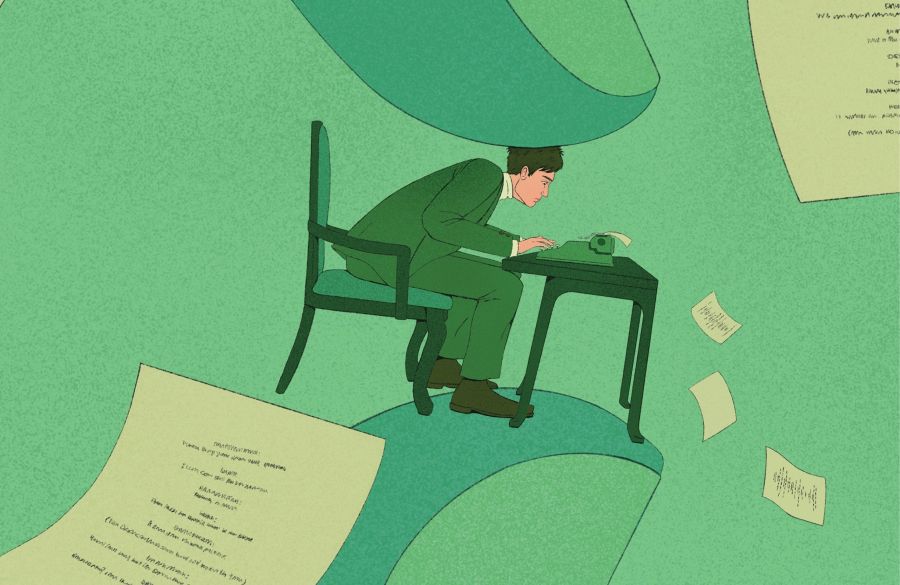
This financial strain is deeply rooted in the structural nature of live performance. Economists William Baumol and William Bowen identified this phenomenon decades ago as the "cost disease." Unlike manufacturing sectors that leverage technology and automation to reduce labor requirements over time, live theatre remains stubbornly human-centric. Trimming cast sizes or shortening running times fundamentally alters the artistic product rather than increasing efficiency. Consequently, wages, venue hire, and material costs rise alongside the broader economy while production methods remain unchanged.
| Theatre Company | Reported Revenue / Income | Primary Financial Outcome |
|---|---|---|
| Queensland Theatre | Increased box-office revenue by 42% | Recorded a $989,000 deficit |
| Bell Shakespeare | $11.47 million (up from $10.96 million) | Expenses exceeded income, reaching $12.87 million |
| Sydney Theatre Company | $28.75 million from continuing operations | Underlying operational deficit of $8.76 million |
Beyond mainstage performances, arts organizations sustain extensive community and educational outreach initiatives that rely heavily on external grants and philanthropy. Queensland Theatre's Scene Project, for instance, engages thousands of regional students in acting and storytelling, relying on foundation backing to operate. Producing theatre itself incurs staggering baseline costs. According to minimum wage conditions under the Media Entertainment & Arts Alliance's Performers' Collective Agreement, paying an 11-actor ensemble for standard rehearsal and performance periods requires at least $154,400 before accounting for directors, designers, stage managers, technical crews, venue hire, performance rights, marketing, and insurance.
Producers argue that conventional public funding alone cannot resolve these systemic pressures. Proposals to alleviate the burden include implementing a refundable theatre production incentive modeled after Australia's established screen production offsets, which could assist not-for-profit and smaller companies regardless of taxable profit. Additionally, labor representatives have floated government-funded cultural passes for young audiences to stimulate ticket sales, mirroring support structures found in other jurisdictions.