King Oyo buried as Tooro succession dispute erupts
The funeral of Tooro Kingdom's King Oyo turned into a flashpoint as a bitter succession dispute erupted between a family-made will and a clan-appointed heir.

In the western Ugandan city of Fort Portal, the funeral of King Oyo Nyimba Kabamba Iguru Rukidi IV, who had ruled the Tooro Kingdom for 31 years, turned into a flashpoint as rival factions fought over his successor. The burial, held on 12 September, was the culmination of a bitter dispute that pits a family‑made will against a clan‑appointed heir and threatens to split one of Africa’s most visible cultural institutions.
The Tooro Kingdom, one of Uganda’s four traditional kingdoms restored in the 1990s, is governed by a system of elders and a head of the royal clan, the Musuuga. The Musuuga chairs a 21‑member succession committee that, in the case of King Oyo’s death on 27 August 2026, selected Prince Edward Rukidi Kijanangoma, a former UBC news anchor, as the next Omukama. The choice was announced on 9 September in Fort Portal and was met with immediate opposition from the king’s sister, Princess Ruth Komuntale, and his mother, Queen Mother Best Kemigisa, who argue that a will dated 14 September 2022 names a “biological son” as heir.
Media additions


According to the BBC, the will was signed in 2022 and sets the son as heir “subject to Ugandan law and Tooro customs.” The family presented the document at the burial, demanding that the king’s last instruction be respected. The committee’s decision, however, was based on a vetting process that considered lineage, character and the ability to uphold Tooro traditions, as reported by StreamlineFeed and corroborated by PML Daily.
The dispute is not merely a personal quarrel. The Musuuga, as the custodian of the kingdom’s customs, has set a nine‑day mourning period that must be observed before the new king is enthroned. The timing of the burial, therefore, determines how quickly the succession question could be resolved, a fact noted by Devdiscourse.
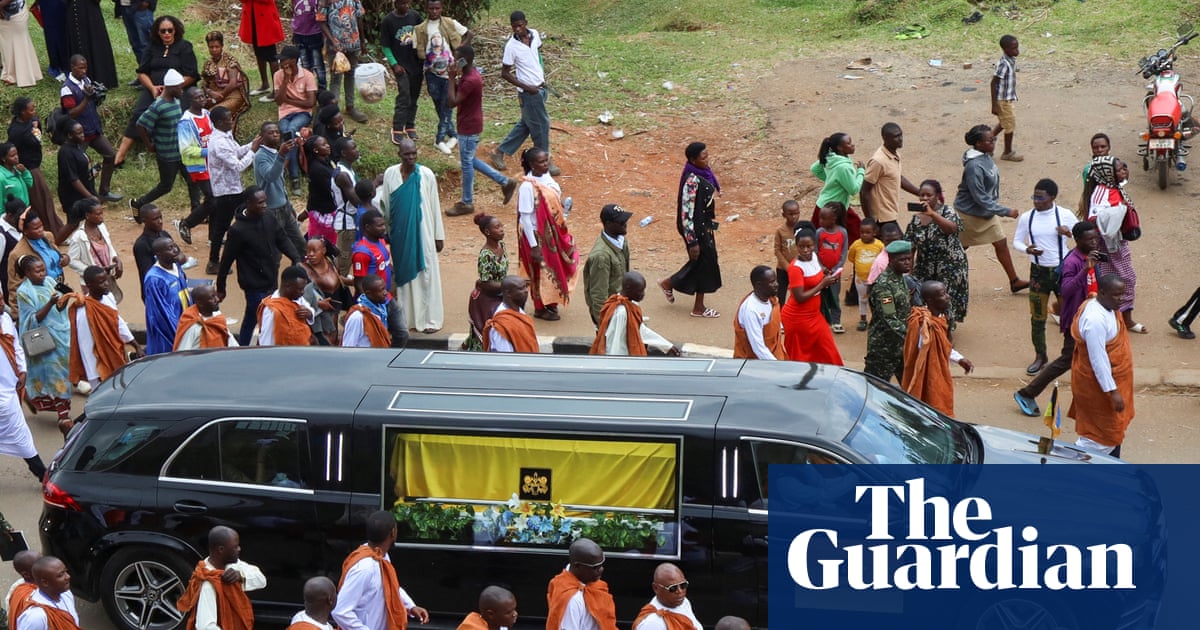
The burial itself was a ceremony steeped in tradition. King Oyo’s body arrived at Entebbe Airport on 11 September, where President Yoweri Museveni joined mourners. A military helicopter transported the coffin to Kyegegwa before it was taken by road to the royal palace in Fort Portal. The funeral took place at Saint John’s Cathedral and the Karambi Royal Tombs, where Prince Kijanangoma cast nine coffee beans into the grave, a ritual marking the transition of power. The Archbishop of the Church of Uganda, Stephen Kazimba Mugalu, addressed the crowd, urging unity and cautioning that grief could fracture the kingdom’s legacy.
For the king’s family, the ceremony felt incomplete. Princess Komuntale, who described Oyo as having “a gift to make people laugh,” called the succession decision “a betrayal” and accused “evil vultures” of conspiring against her and the Queen Mother. She presented the will’s text, which names a son but does not reveal his identity, at the funeral. Queen Mother Best Kemigisa added that royal guards had withdrawn from the palace, creating a sense of house arrest for the immediate family, a claim echoed in reports by Naija News and Punch.
The king’s death, at 34 while undergoing cancer treatment in the United States, had already made headlines. He had been crowned in 2010 after reaching adulthood, after first ascending the throne at the age of three in 1995. Guinness World Records had recognised him as the world’s youngest reigning monarch, a title that drew global attention to Tooro’s cultural heritage. He also served as a UN goodwill ambassador, championed HIV/AIDS awareness, and had ties with former Libyan leader Muammar Gaddafi, who donated money for palace refurbishment, as noted by The Guardian.
President Museveni’s message at the burial, delivered by Deputy Speaker of Parliament Thomas Tayebwa, called on the Batooro to resolve the dispute through legal means, emphasizing the role of traditional leaders as custodians of culture rather than political actors. He promised the government would work with the new king once the succession question was settled. The president also urged the public to respect the Musuuga’s authority and to allow the kingdom’s rituals to proceed unimpeded, a stance echoed in the official statement issued by the Office of the Musuuga on Saturday.
The Musuuga’s statement clarified the procedural details: the body will remain at Karuziika Palace in Kabarole for the nine‑day mourning period, after which the successor will be enthroned. The statement also established a separate three‑member committee to manage official communication and a contact point for government coordination. The Musuuga warned against unverified social media claims and insisted that only sanctioned channels could announce the heir’s identity.
Meanwhile, the Babiito clan’s succession committee, led by Omusuuga Charles Karumasi, defended the choice of Kijanangoma, asserting that it was made in observance of Tooro customs. Karumasi said the committee had considered “cultural, moral and leadership qualities” in its selection. The committee’s decision was made public on 9 September and was described by Allafrica as a “clear framework for how both the burial of the late King and the transition to his successor will be handled.”
In the weeks that followed the burial, the kingdom’s three competing claims— the will, the committee decision, and the Musuuga’s authority—have forced the territory into a legal limbo. The family’s insistence on the son’s right to the throne could lead to a court case, while the clan committee’s choice could be upheld if the Musuuga endorses it. The outcome will set a precedent for how written wills interact with traditional succession laws in Uganda’s cultural kingdoms.
| Claim | Source | Key Details |
|---|---|---|
| Will naming a biological son | BBC, Naija News, Punch | Signed 14 September 2022; names a son without identity; subject to Ugandan law and Tooro customs |
| Committee selection of Prince Kijanangoma | StreamlineFeed, PML Daily, Devdiscourse | 21‑member Babiito committee; announced 9 September; based on vetting process and cultural criteria |
| Musuuga’s authority over succession | AllAfrica, Musuuga statement | Custodian of customs; oversees nine‑day mourning; mandates a son as heir if present |
For those following the dispute, the next key dates are: 21 September, when the nine‑day mourning concludes and the enthronement should occur; and any legal action that may arise from the family’s challenge to the committee’s decision. The government’s role appears limited to maintaining peace and respecting cultural protocols, as President Museveni has reiterated that traditional leaders “are not for politics, administration, or legislation.”
As the tooro kingdom sits on the brink of a new reign, the world watches a unique blend of modern legalism and ancient custom collide. The resolution of King Oyo’s succession will not only determine who sits on the Tooro throne but also how Uganda balances its constitutional republic with the cultural authority of its traditional kingdoms.


