Dover protest - live: Hundreds of masked men stop access to port as MP says 'get a job
Masked demonstrators blocked key access routes to the Port of Dover, prompting sharp condemnation from local officials and transport operators.

- Core Development: Masked demonstrators blocked key access routes to the Port of Dover, prompting sharp condemnation from local officials and transport operators.
- Beat Context: Categorized under Culture with independent corroboration.
- Reporting Depth: 4 minute analytical read synthesized from verified newsroom sources.
On Saturday 5 September, a wave of black‑clad, balaclava‑wearing men descended on Dover, blocking the A20 and A2 approach roads to the Port of Dover. The blockade halted traffic, stranded motorists, and prompted a swift response from Kent Police, the port authority and the government. The incident, described by the police as a “spontaneous protest”, has stirred debate about the growing presence of far‑right activism in the UK.
According to the Mirror, the crowd – described as “hundreds” – blocked key access roads to the port, spraying the words “blood is on your hands” on the ground outside a migrant processing facility. The blockade lasted roughly three hours and left many motorists, including a passenger named Toby Mackenzie, feeling “fearing for his life” as their cars were surrounded.
Media additions
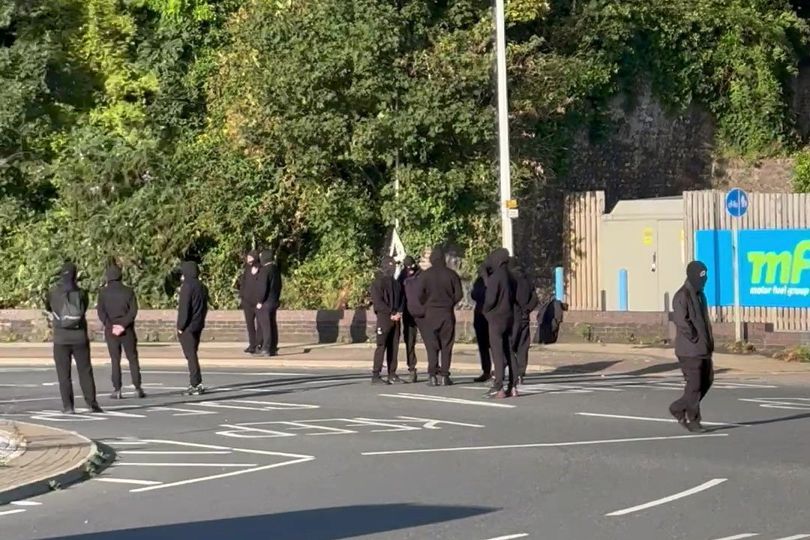
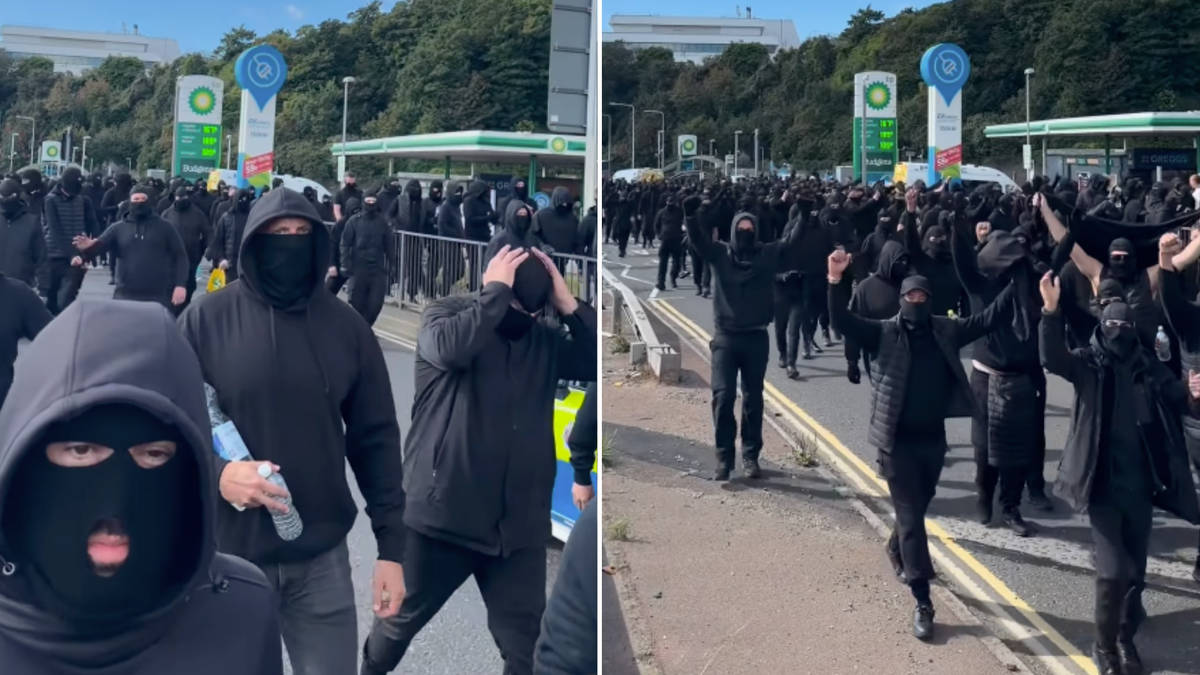

Video footage, shared on social media by an associate of far‑right activist Tommy Robinson, shows the demonstrators marching in unison, chanting “stop the boats” and “whose streets? our streets”. The organiser identified in the footage is Danny Tommo, a YouTuber with a criminal record who has recently launched the Patriot Platform. Tommo, who has spoken about forming a “patriotic army”, posted on Instagram: “It’s time! Protect our country! And more importantly our women and children! This is our warning!”
I am fed up with idiots coming to Dover to cause disruption. Go home. Enjoy your weekend/get a job.
Mike Tapp, Labour MP for Dover and Deal, via Mirror
Mike Tapp criticised the protest as “idiots” and questioned the demonstrators’ knowledge of current small boat crossing figures. He added that the protesters “wouldn’t know small boat crossing are down by 40%”.
The LBC report confirmed that no arrests were made and that Kent Police described the event as “spontaneous”.
Travel companies were also affected. P&O Ferries warned that access to the port was restricted and that passengers who missed their departure would be offered the next available service. DFDS, another ferry operator, said it was aware of the traffic disruption and would accommodate affected passengers on the next crossing. The Port of Dover’s own statement on X said “all routes in and out of the port and the town are now open and traffic is moving freely”.
Traffic disruptions were significant. National Highways reported a four‑mile congestion on the A20, while Rte’s coverage noted a six‑kilometre delay. The delays were estimated at up to 45 minutes, causing frustration among commuters and tourists.
| Source | Congestion | Estimated Delay |
|---|---|---|
| National Highways | 4 miles | up to 45 minutes |
| RTE | 6 km | up to 45 minutes |
Government officials condemned the protest. A spokesperson said: “The right to peaceful protest is fundamental to our democracy, but we condemn the behaviour in Dover and the travel disruption it has caused.” They urged passengers to allow extra travel time and thanked policing partners for their cooperation.
In the broader context, small boat crossings into the UK have fallen to the lowest level since 2020. The Home Office reported 7,416 arrivals between June 1 and August 30, down 46 per cent on last year. Home Secretary Shabana Mahmood said on X on Tuesday: “This Government is committed to restoring order at our border. This work is beginning to bear fruit, with June, July and August recording the lowest number of small boat crossings in seven years.” The protest was framed by its organisers as a warning against “illegal migration”, though no official statement confirmed the demonstrators’ specific objectives.
As the UK’s busiest international ferry hub, Dover’s role in cross‑Channel travel makes any disruption highly consequential. The incident has highlighted the tension between the right to protest and the practical realities of maintaining essential transport links. Whether the protest will spur further action from far‑right groups, or prompt a stricter policing response, remains to be seen. For now, commuters are advised to stay alert, check ferry schedules regularly and, if possible, avoid the A20 and A2 during peak hours.
How significant is this development?
Contribute your assessment to the aggregated reader sentiment ledger.
Frequently Asked Questions
Key questions answered in this reportWhat is the key development in: Dover protest - live: Hundreds of masked men stop access to port as MP says 'get a job?
Masked demonstrators blocked key access routes to the Port of Dover, prompting sharp condemnation from local officials and transport operators.
Why is this Culture development significant for the UK?
This report covers critical events in our Culture beat. Independent reporting monitors related UK statements, regulatory shifts, and public responses as further verified details emerge.
How was this reporting corroborated and verified?
Newsarchy UK compiles and cross-references reporting from primary reporting from mirror.co.uk and cross-checked wire reports. All coverage adheres to published editorial standards.
When was this report published?
This briefing was published on September 5, 2026 and is permanently cataloged in the Newsarchy UK Culture archives.


