Italy introduces up to 5 years’ jail for riots on October 20
Italy's cabinet approved a sweeping security decree introducing up to five years in prison for violent protest participation and deploying 500 soldiers to Milan.
- Core Development: Italy's cabinet approved a sweeping security decree introducing up to five years in prison for violent protest participation and deploying 500 soldiers to Milan.
- Beat Context: Categorized under World with independent corroboration.
- Reporting Depth: 4 minute analytical read synthesized from verified newsroom sources.
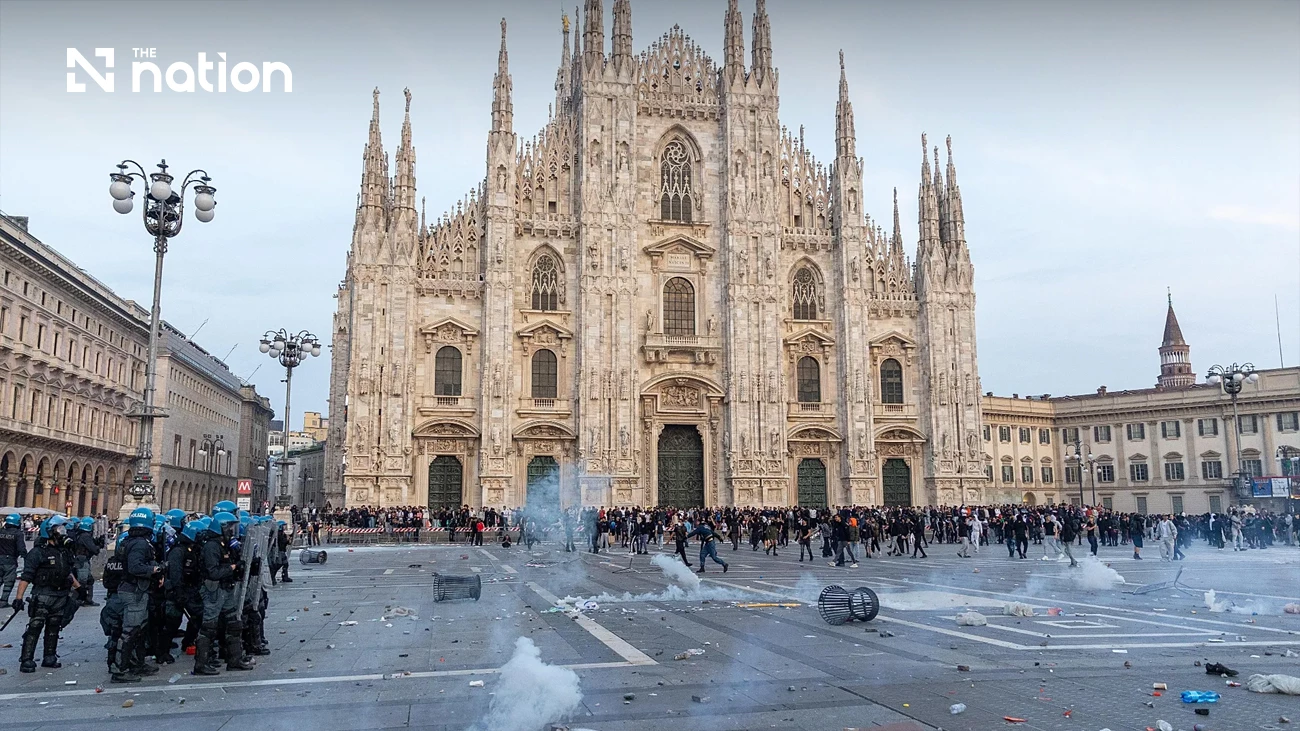
On Tuesday, Italy’s cabinet approved a sweeping security decree that could see up to five years in prison, a €20,000 fine and parental financial liability for violent participation in demonstrations. The measures, which take immediate effect, also earmark 500 soldiers with police powers to patrol Milan until the end of 2026. The law follows a weekend of violent protests that saw thousands of youths, many minors, smash shop windows, loot stores and set fire to property in the city’s central shopping district.
The decree was announced by Prime Minister Giorgia Meloni in a video posted on social media. She described the riot‑style violence as “painful and frightening” and argued that “vandalism and theft are not protest, they are criminality.” Nation Thailand
Media additions
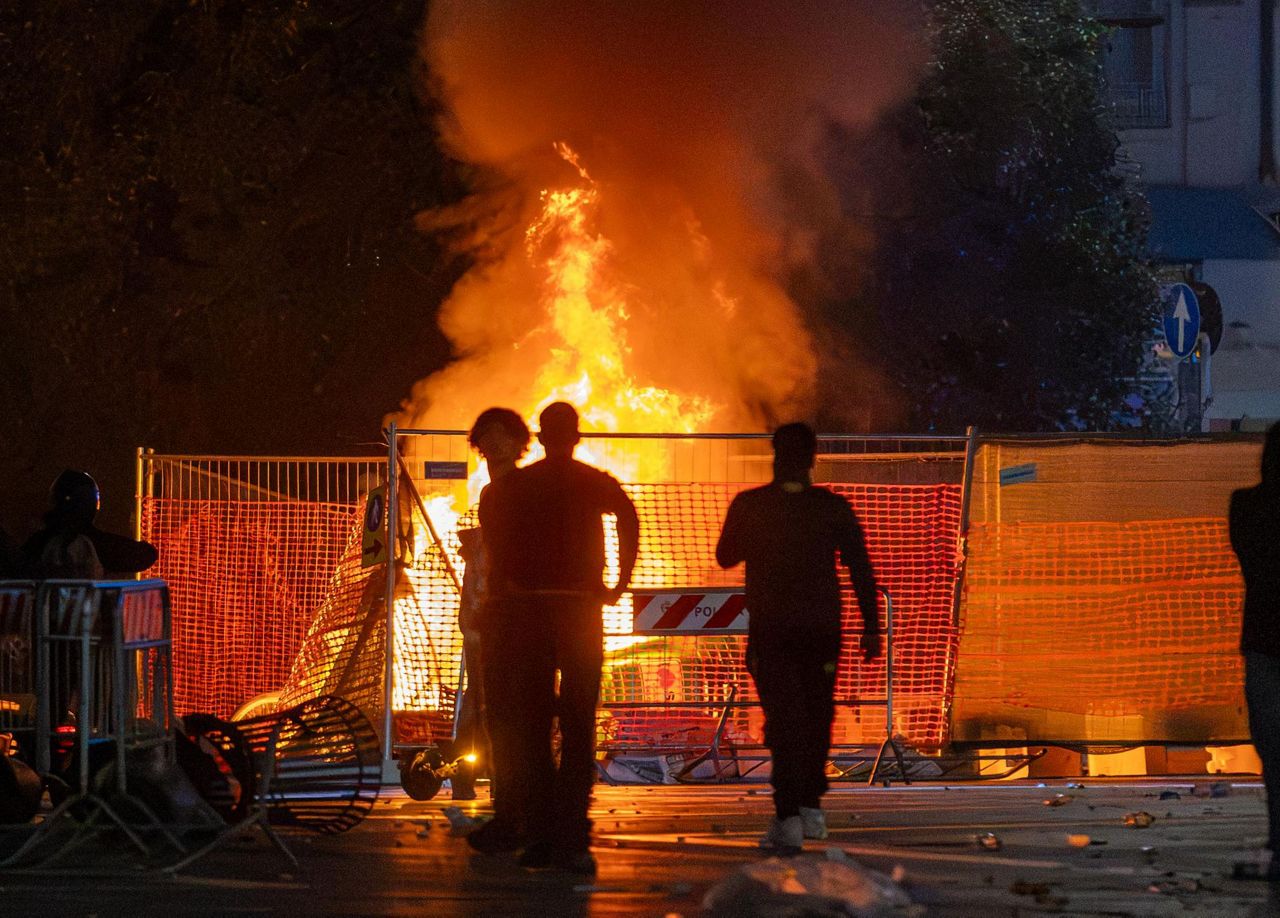

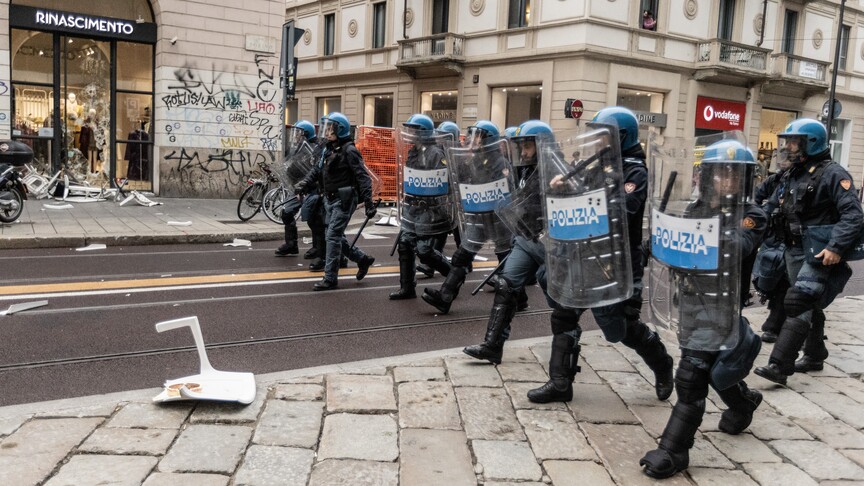
Under the new law, anyone who joins a group of at least five people that endangers public safety during a demonstration can be charged with violent participation. Sentences can reach five years in prison and fines up to €20,000, with higher penalties if the offender covers their face or causes injury. The decree also expands police powers to detain teenagers aged 14–17 if they pose a danger, even if they have not committed a crime. NY1
In addition, the decree establishes a financial liability regime for parents whose children engage in vandalism or looting. The state can order prompt compensation for damage, and parents are held responsible for the costs when the offenders are minors. AA
| Country | Troop Deployment | Legal Changes | Parliamentary Deadline |
|---|---|---|---|
| Italy | 500 soldiers with police powers in Milan until end‑2026 | New offence of violent participation, parental liability, expanded detainment of minors | 60 days to convert to law |
| France | Sentinelle force to support police during Saturday protests | Military assistance to free police; curfews in several cities | Not specified, but measures to be reviewed after Saturday’s protests |
The decree follows a weekend of unrest that began on Saturday, 17 October, when protestors in Milan’s central shopping district — many wearing hooded jackets — clashed with police, set fire to bins and looted high‑end shops. Police used water cannons and tear gas; more than 100 officers were reported injured over the two days. Milan police detained roughly 270 people, with about 32 arrests, including 23 minors. The Guardian
The unrest was part of a broader wave of protests across northern Italy, including Bologna, Brescia, Bergamo and Turin, where police arrested 28 demonstrators. In southern Italy, truck drivers blocked roads in response to sharply rising diesel prices, disrupting supply chains and forcing some pasta producers to halt production. The government has promised further assistance for road hauliers after discussions with industry representatives. AA
Italy’s security package is not an isolated response. France, which experienced its worst riots in years on 17 October, is also stepping up its security posture. Prime Minister Sébastien Lecornu has called for a “massive” police presence during Saturday’s demonstrations, and the interior minister has announced that the Sentinelle force will be deployed to free police and gendarmes. Partial curfews have already been imposed in Paris, Bordeaux, Lille and Nice, and the curfew in Paris runs from 11 pm to 6 am. SG
Both governments face criticism from opposition parties and civil society groups. In Italy, the League, led by Deputy Prime Minister Matteo Salvini, has hailed the decree as a “victory for the League,” while former Prime Minister Giuseppe Conte has warned that the repeated use of short‑term decrees gives an illusion of a solution. NewsCord
Election politics add another layer of urgency. Italy’s general election is scheduled for 2027, and the government is under pressure to demonstrate control over public order. The decree must be converted to law within 60 days, a deadline that will test the coalition’s ability to pass swift legislation. Meanwhile, France’s presidential election in April‑May raises the stakes for the incumbent government as it seeks to restore public confidence after the riots. Nation Thailand
Looking ahead, Milan is already on high alert for further protests slated for Saturday, 24 October. A new movement, “17 October,” has announced weekly demonstrations across major Italian cities, including Milan, on the premise that the government’s policies are failing to address the “future” of young people. The decree’s provisions, particularly the expanded detainment of minors and parental liability, will likely be tested in the coming days. AA
Timeline of Key Events
- 17 Oct – Milan riots begin; water cannons and tear gas deployed; 100 officers injured.
- 18 Oct – 270 people detained; 32 arrests, 23 minors.
- 20 Oct – Cabinet approves decree; 500 soldiers to be deployed; new offence introduced.
- 24 Oct – Planned protests by “17 October” movement; government on high alert.
The decree’s success will hinge on enforcement and public perception. If the new legal framework deters future violence, it could set a precedent for other European governments facing similar unrest. Conversely, if it is seen as over‑repressive, it may fuel further dissent, especially among young people who already feel marginalized by the cost‑of‑living crisis. The next 60 days will be crucial as parliament debates the conversion of the decree into law and as Milan prepares for the next wave of demonstrations.
How significant is this development?
Contribute your assessment to the aggregated reader sentiment ledger.
Frequently Asked Questions
Key questions answered in this reportWhat is the key development in: Italy introduces up to 5 years’ jail for riots on October 20?
Italy's cabinet approved a sweeping security decree introducing up to five years in prison for violent protest participation and deploying 500 soldiers to Milan.
Why is this World development significant for the UK?
This report covers critical events in our World beat. Independent reporting monitors related UK statements, regulatory shifts, and public responses as further verified details emerge.
How was this reporting corroborated and verified?
Newsarchy UK compiles and cross-references reporting from primary reporting from Newswav and cross-checked wire reports. All coverage adheres to published editorial standards.
When was this report published?
This briefing was published on October 21, 2026 and is permanently cataloged in the Newsarchy UK World archives.