John Swinney claims GB Energy has done nothing for Scottish renewables
First Minister John Swinney has launched a sharp attack on GB Energy, claiming the state-backed firm has achieved nothing for Scottish renewables.

- Core Development: First Minister John Swinney has launched a sharp attack on GB Energy, claiming the state-backed firm has achieved nothing for Scottish renewables.
- Beat Context: Categorized under Culture with independent corroboration.
- Reporting Depth: 4 minute analytical read synthesized from verified newsroom sources.
Scotland’s green energy landscape has ignited fresh political friction as John Swinney launched a scathing attack on the UK Government’s flagship energy investment firm, claiming it has achieved literally, absolutely nothing
for the nation's renewables sector. Speaking ahead of the SNP conference in Aberdeen, reported by Cambridge Independent, the First Minister argued that Westminster is actively standing in the way of green progress while local administrations wait to take decisive action. The contentious remarks arrive against a backdrop of wider regulatory upheaval across Great Britain's energy sector, highlighted by The Guardian, where utility watchdogs are weighing interventions to shield suppliers from volatile winter markets.
According to The National, Swinney used an appearance on the BBC’s Radio Breakfast Scotland programme to draw a sharp contrast between Edinburgh's administrative efforts and Westminster's delivery. The First Minister maintained that the Scottish Government has successfully scoped out offshore potential and processed individual development consents in a timely fashion. However, he insisted that consented projects repeatedly stumble over grid access hurdles, pointing out that grid connection decisions remain firmly outside Holyrood's control.
Media additions

The establishment of Great British Energy by Labour—initially backed with funding—had generated expectations of an accelerated clean power transition to compensate for ageing North Sea oil production. Instead, Swinney expressed frustration that the promised upsurge has failed to materialise. As reported by Cambridge Independent, his public challenge calls on the UK Government to either expedite developments and consenting or devolve those powers entirely to the Scottish administration.
In response to the criticism, a spokesperson for the Department for Energy Security and Net Zero pushed back against the First Minister's claims. The official stated that Great British Energy is actively delivering on its mission to reindustrialise communities and secure homegrown power for workers and families. The department highlighted that the public firm has already committed funding exceeding £12 million in Scotland, directing capital toward a major floating offshore wind project.
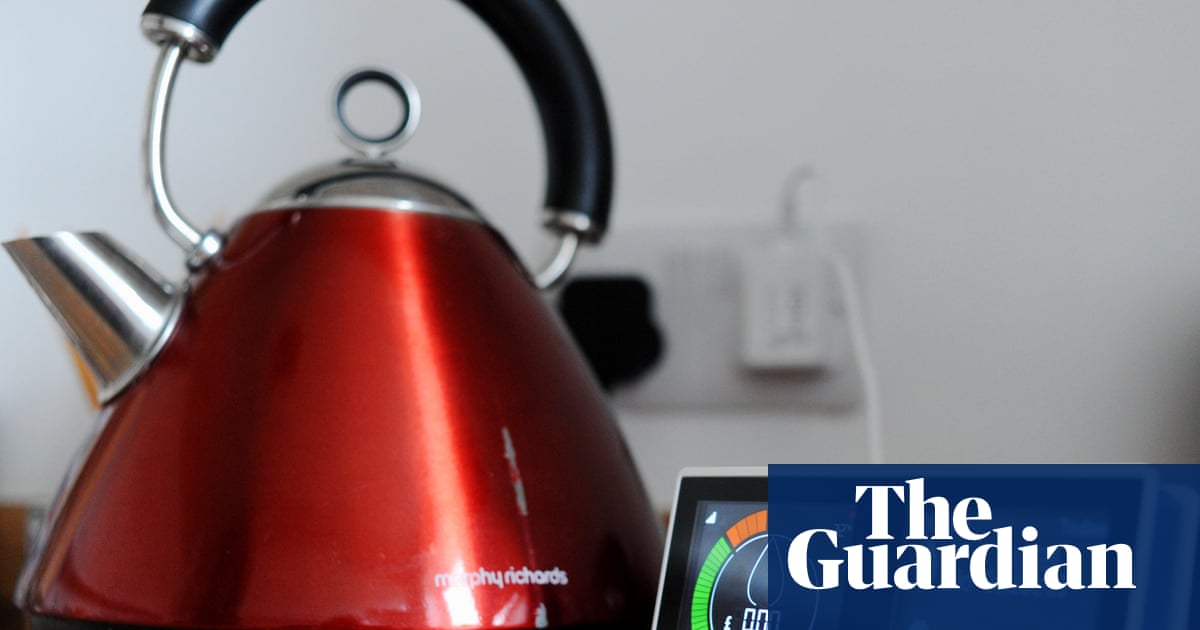
Meanwhile, the wider British energy market faces mounting pressures as winter approaches, creating a complex operating environment for suppliers and consumers alike. The Guardian reported that the energy regulator Ofgem has published a consultation proposing the reintroduction of the market stabilisation charge. The mechanism aims to deter supplier collapses driven by customer exoduses during sharp wholesale price drops, a vulnerability exposed when geopolitical conflicts push global markets into turbulence.
Under the proposed consultation terms, suppliers who attract rivals' customers by offering cheaper fixed deals would compensate competing firms for a portion of the wholesale rate drop. Industry observers and consumer advocates have raised concerns over the potential impact on household bills. Consumer advice figure Martin Lewis criticised the proposal in reporting covered by The Guardian, arguing that the charge functions as a switching penalty that dampens competition and protects corporate profits at the expense of consumers seeking affordable fixes.
The ongoing clashes over renewable infrastructure delivery and regulatory consumer protections unfold as households navigate rising energy costs. Standard bills have climbed following recent price cap adjustments, with independent energy consultants forecasting further increases in the coming months. Discussions surrounding targeted interventions for vulnerable households continue ahead of upcoming fiscal announcements.
| Metric / Region | Reported Figure or Status | Source Context |
|---|---|---|
| GBE Scottish Investment | Over £12 million invested in a floating offshore wind project | Department for Energy Security and Net Zero via Cambridge Independent |
| GBE Original Funding Pledge | £8.3 billion (subsequently cut back) | The National & Cambridge Independent |
| Typical Household Energy Bill (Oct–Dec) | £1,723 annually for about 22m homes | The Guardian |
| Forecast Annual Bill (January) | £1,872 (projected by Cornwall Insight) | The Guardian |
What happens next depends on several pending decisions across both Edinburgh and London. The UK Government is imminent in its ruling on whether to approve the Rosebank and Jackdaw North Sea oil and gas fields, a choice Swinney insists must align with net-zero legal requirements. Simultaneously, Ofgem's consultation on the market stabilisation charge remains open for industry and public feedback regarding trigger levels and notice periods, while the SNP conference in Aberdeen continues to shape nationalist strategy on green energy autonomy.
How significant is this development?
Contribute your assessment to the aggregated reader sentiment ledger.
Frequently Asked Questions
Key questions answered in this reportWhat is the key development in: John Swinney claims GB Energy has done nothing for Scottish renewables?
First Minister John Swinney has launched a sharp attack on GB Energy, claiming the state-backed firm has achieved nothing for Scottish renewables.
Why is this Culture development significant for the UK?
This report covers critical events in our Culture beat. Independent reporting monitors related UK statements, regulatory shifts, and public responses as further verified details emerge.
How was this reporting corroborated and verified?
Newsarchy UK compiles and cross-references reporting from primary reporting from thenational.scot and cross-checked wire reports. All coverage adheres to published editorial standards.
When was this report published?
This briefing was published on October 17, 2026 and is permanently cataloged in the Newsarchy UK Culture archives.