NYC Nor'easter leaves flooding and over 1,000 downed trees
A severe weekend nor'easter battered New York City with coastal flooding, high winds, and more than 1,000 downed trees, resulting in storm recovery efforts.
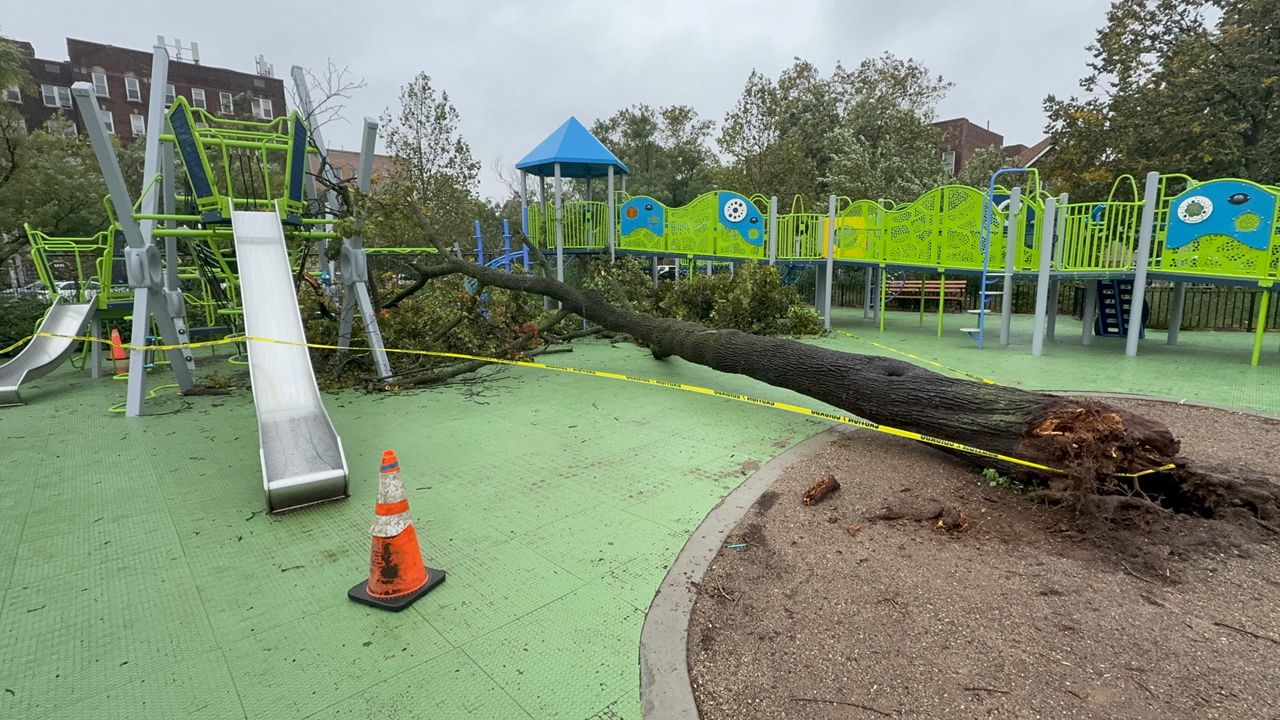
- Core Development: A severe weekend nor'easter battered New York City with coastal flooding, high winds, and more than 1,000 downed trees, resulting in storm recovery efforts.
- Beat Context: Categorized under Culture with independent corroboration.
- Reporting Depth: 3 minute analytical read synthesized from verified newsroom sources.
A powerful nor'easter battered New York City over the weekend, bringing persistent rain, gusty winds, and coastal flooding that lingered into Monday morning, according to Ny1. The storm began Saturday and continued through Sunday, affecting the five boroughs in various ways as transit networks, local parks, and residential streets dealt with the aftermath.
The worst of the coastal flooding concentrated in neighborhoods situated directly along the water. Impacted areas included Hamilton Beach, Howard Beach, and Broad Channel in Queens, alongside South Beach on Staten Island. In Hamilton Beach, steady and sometimes heavy rain flooded residential streets where red cones warned drivers away from impassable water. While many residents prepared in advance by moving vehicles due to previous experiences with past storms like Sandy, others suffered unexpected damage. Waasif Choudry reported that roughly 8 inches of water entered his family's basement on Davenport Court after the intensity of the water caused their pump to fail.
Media additions


Firefighters with the West Hamilton Beach Volunteer Fire Department noted that residents generally prepared well, keeping water rescues to a minimum. Beyond rising tides, the storm's powerful winds wreaked havoc citywide. NYC Emergency Management reported that crews worked through more than 1,008 reports of downed trees across the five boroughs. NYC Parks crews labored on 12-hour shifts for a fourth straight day as part of the city’s Downed Tree Task Force.
Tragedy struck in Brooklyn when Leighton Brown, a 56-year-old maintenance worker for NYCHA, walked through a parking lot at the Cypress Hills Houses in East New York and was struck and killed by a large falling tree, authorities said. NYCHA expressed deep sadness over the loss and extended condolences to the family and the wider NYCHA community. Elsewhere in the borough, a falling tree branch at Kelly Park Playground in Homecrest injured four people, including two children, on Saturday afternoon. Police confirmed that a 7-year-old girl suffered a broken arm, a 1-year-old boy sustained a cut to his cheek, and two women ages 40 and 41 suffered head and wrist injuries. All four were transported to a hospital in stable condition.
The gale-force winds also triggered power outages and transportation disruptions. At one point Sunday morning, approximately 2,500 customers lost power, according to NYC Emergency Management. Wind gusts reached up to 45 mph citywide Saturday and hit up to 55 mph at John F. Kennedy International Airport. The high winds prompted restrictions on certain trucks crossing MTA bridges and tunnels while urging general motorists to exercise caution on several bridges.
As the nor'easter weakened, city officials stated that the Downed Tree Task Force would remain active, while the FDNY maintained an enhanced posture in the Rockaways and Howard Beach as coastal flood advisories persisted for Monday morning's high tide.
Meanwhile, in the Hudson Valley, communities are managing a massive influx of autumn leaf-peepers drawn north by a super El Niño weather pattern that is making foliage brighter and longer-lasting, according to Gothamist. Benjamin Osbourne, assistant commissioner of forestry and horticulture at the New York City Department of Parks and Recreation, noted that extra rainfall from El Niño is fueling a more intense fall foliage season. Towns such as Sleepy Hollow and Beacon have experienced heavy tourism crowds on weekends, prompting local mayors to encourage public transit use and navigate parking challenges.
In retail news, FOX 5 New York reported that Wegmans grocery stores in Manhattan and Brooklyn posted signs notifying customers that biometric data, including facial recognition, is collected on everyone entering. While privacy policies note that security equipment may capture biometrics to create a safer environment, Wegmans community engagement and communications representative Tracy Van Auker clarified that the system collects facial recognition data solely to identify individuals previously flagged for misconduct, noting they do not collect retinal scans or voice prints and do not share facial scan data with third parties.
How significant is this development?
Contribute your assessment to the aggregated reader sentiment ledger.
Frequently Asked Questions
Key questions answered in this reportWhat is the key development in: NYC Nor'easter leaves flooding and over 1,000 downed trees?
A severe weekend nor'easter battered New York City with coastal flooding, high winds, and more than 1,000 downed trees, resulting in storm recovery efforts.
Why is this Culture development significant for the UK?
This report covers critical events in our Culture beat. Independent reporting monitors related UK statements, regulatory shifts, and public responses as further verified details emerge.
How was this reporting corroborated and verified?
Newsarchy UK compiles and cross-references reporting from primary reporting from Gothamist and cross-checked wire reports. All coverage adheres to published editorial standards.
When was this report published?
This briefing was published on October 26, 2026 and is permanently cataloged in the Newsarchy UK Culture archives.