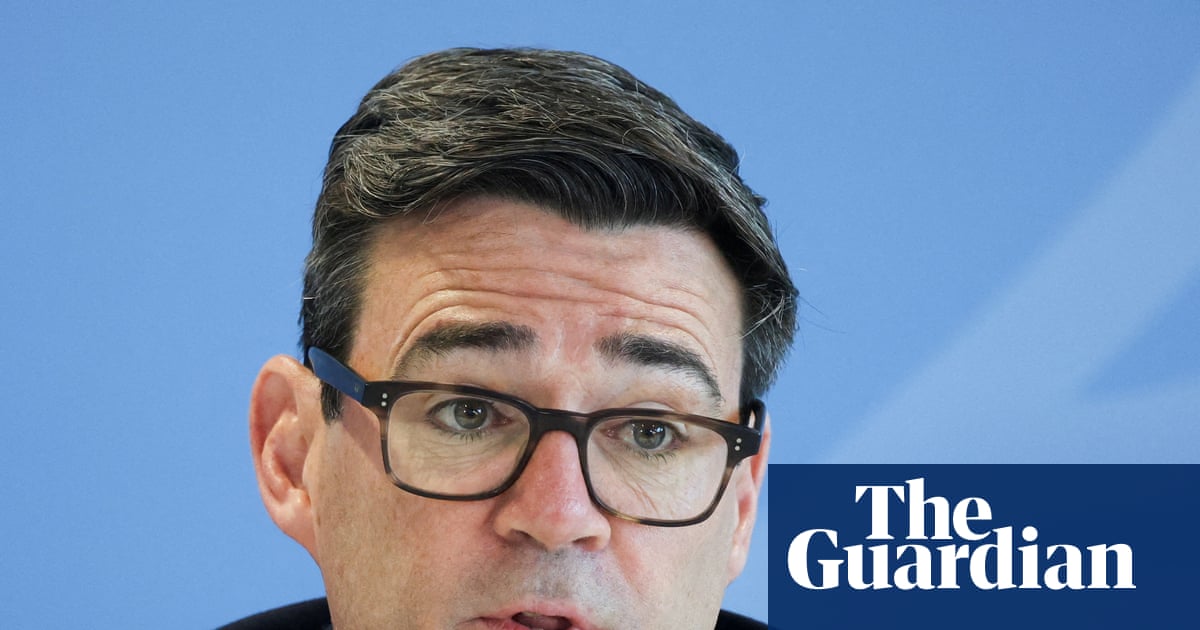
Andy Burnham free movement debate call divides Labour MPs
Prime Minister Andy Burnham's openness to reconsidering free movement with the EU has sparked a fierce debate and divided Labour MPs.

- Core Development: Prime Minister Andy Burnham's openness to reconsidering free movement with the EU has sparked a fierce debate and divided Labour MPs.
- Beat Context: Categorized under Politics with independent corroboration.
- Reporting Depth: 3 minute analytical read synthesized from verified newsroom sources.
Prime Minister Andy Burnham has triggered a fierce internal debate across the parliamentary party after signaling an openness to reconsidering free movement with the European Union, exposing deep fractures in Labour's electoral coalition as Westminster braces for a high-stakes fiscal statement.
The controversy erupted following an interview in which the prime minister called for an honest discussion about freedom of movement. Burnham argued that the nature of migration had shifted since his previous time in parliament, noting that revolving-door migration patterns differed from current trends. While maintaining that the 2016 referendum result was respected and that existing manifesto red lines would remain in place until after the next general election, Burnham suggested that rejoining the single market and accepting free movement could potentially be achieved via a manifesto commitment rather than requiring a separate in-out referendum, though full rejoining would necessitate a fresh public vote.
Media additions


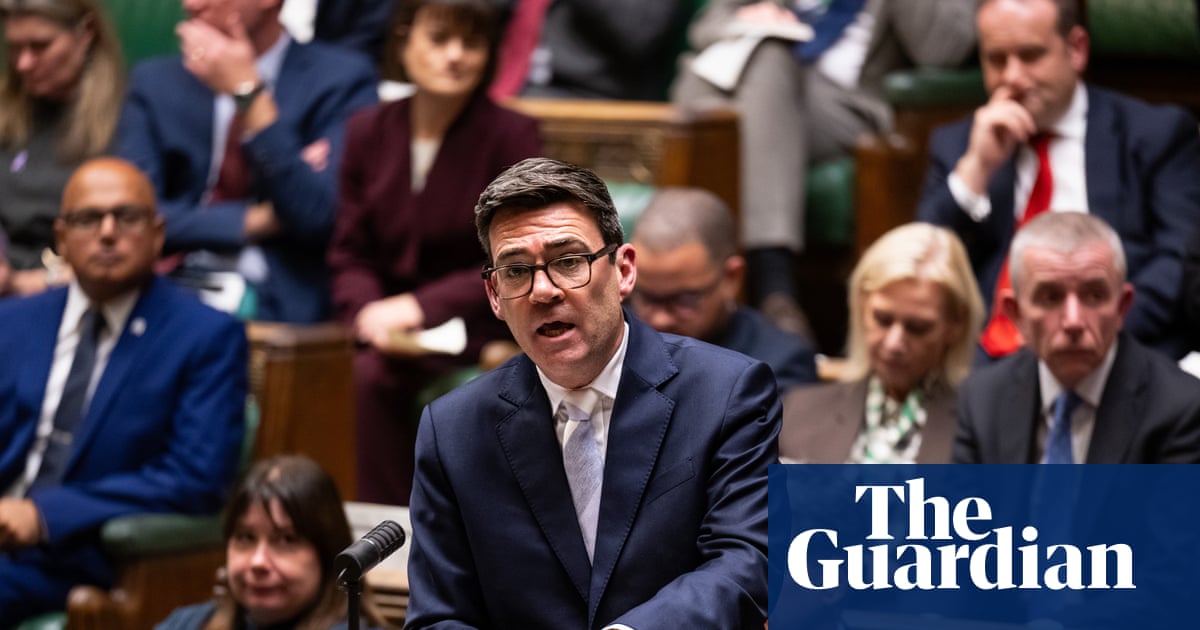
The remarks drew immediate support from senior cabinet ministers keen to mend trade friction and boost economic growth. Housing Secretary Angela Rayner defended the intervention on Sky News, describing it as simple pragmatism and insisting that nothing could be taken off the table when negotiating the best deal for Britain. Stella Creasy, chair of the Labour Movement for Europe, added that the country was long overdue for a grown-up conversation regarding supply chains and employment opportunities for British citizens.
However, the shift alarmed backbenchers representing pro-Brexit constituencies in the north and Midlands. Several Labour MPs warned that reopening the European question would jeopardize seats vulnerable to Reform UK and undermine trust among voters who backed Leave in 2016. Jonathan Hinder, the MP for Pendle, had previously pressed the prime minister in parliament to rule out any return to freedom of movement.
| Economic Thinktank | Estimated Fiscal or Growth Impact | Projected Timeframe |
|---|---|---|
| European Movement UK | Missed growth between £180bn and £240bn | Since leaving the EU in 2020 |
| Best for Britain | Annual tax receipt shortfall of about £40bn; potential £92bn boost from rejoining | Long-term economic outlook |
| Resolution Foundation | Hit to tax revenues of £4.7bn from lower migration | 2029-30 financial year |
| Institute for Fiscal Studies | Reduction in chancellor's headroom by £1bn to £5bn | By 2031-32 |
The political friction coincides with intense preparations for the upcoming budget overseen by Chancellor John Healey. Research shared ahead of the financial statement indicates that reduced net migration projections could severely constrain government tax revenues. The Resolution Foundation warned that a projected drop in migration could drain billions from public coffers, while the Institute for Fiscal Studies estimated a significant reduction in fiscal headroom depending on official modeling. Independent business groups, including the British Chambers of Commerce, have echoed calls for a thorough economic appraisal of closer European ties to alleviate export barriers.
Opposition figures were swift to attack the prime minister's stance. Conservative leader Kemi Badenoch criticized the announcement as another example of poor communication, while Reform UK leader Nigel Farage branded the shift a total betrayal of Brexit Britain. The fallout was further compounded by a separate distraction earlier in the week when Burnham sparked a debate on foreign interference by claiming to have received official confirmation of Russian meddling in the 2016 referendum, prompting swift clarifications from Downing Street and security officials.
As the administration navigates these competing internal pressures, attention turns to upcoming diplomatic engagements. Burnham is scheduled to meet European Commission President Ursula von der Leyen and other EU chiefs in Brussels on 20 November to pursue modest agreements on food standards, youth mobility, and emissions trading.
How significant is this development?
Contribute your assessment to the aggregated reader sentiment ledger.
Frequently Asked Questions
Key questions answered in this reportWhat is the key development in: Andy Burnham free movement debate call divides Labour MPs?
Prime Minister Andy Burnham's openness to reconsidering free movement with the EU has sparked a fierce debate and divided Labour MPs.
Why is this Politics development significant for the UK?
This report covers critical events in our Politics beat. Independent reporting monitors related UK statements, regulatory shifts, and public responses as further verified details emerge.
How was this reporting corroborated and verified?
Newsarchy UK compiles and cross-references reporting from primary reporting from BBC and cross-checked wire reports. All coverage adheres to published editorial standards.
When was this report published?
This briefing was published on October 26, 2026 and is permanently cataloged in the Newsarchy UK Politics archives.