Big Oil reaps $56 billion as conflicts send fuel prices soaring
Major energy supermajors have posted a combined $56.3 billion in third-quarter profits as geopolitical conflicts and supply bottlenecks send fuel prices soaring worldwide.
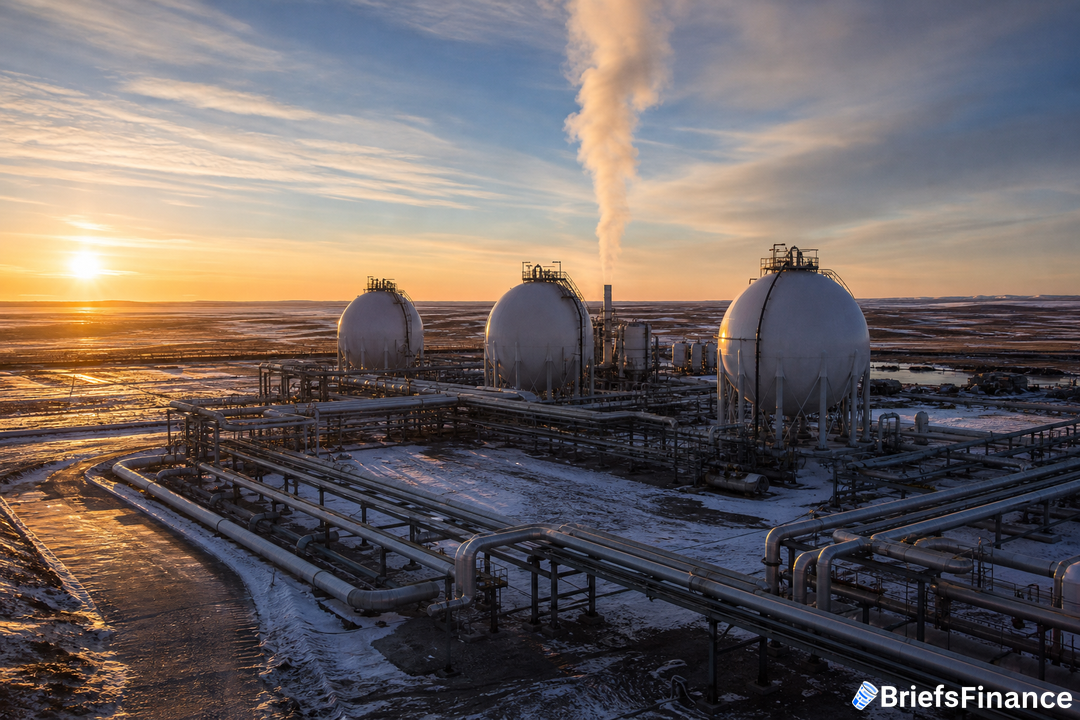
- Core Development: Major energy supermajors have posted a combined $56.3 billion in third-quarter profits as geopolitical conflicts and supply bottlenecks send fuel prices soaring worldwide.
- Beat Context: Categorized under News with independent corroboration.
- Reporting Depth: 4 minute analytical read synthesized from verified newsroom sources.
Global energy markets have been thrown into severe turbulence as a combination of geopolitical conflicts, restricted shipping lanes, and dwindling inventories drive fuel costs to historic highs, yielding massive windfalls for the world’s largest oil companies. According to reporting from Latimes, major energy supermajors — including ExxonMobil, Chevron, BP, Shell, and TotalEnergies — surpassed third-quarter expectations by posting a combined adjusted net income of $56.3 billion. The unprecedented fuel-supply crisis has rippled across the globe, forcing motorists to absorb soaring costs at the pump and igniting political anxiety ahead of crucial elections.
The roots of the current crisis trace back to late February, when military engagements involving the US and Israel in Iran severely disrupted oil production and transport. As detailed by BBC, fighting in the Middle East alongside Ukrainian strikes on Russian energy infrastructure have effectively choked off significant portions of the global energy supply chain. The Strait of Hormuz, a vital maritime bottleneck through which approximately one-fifth of the world’s oil and natural gas typically flows, remains heavily restricted, with trade volumes sitting well below pre-war levels despite sporadic rebounds in vessel traffic.
Media additions


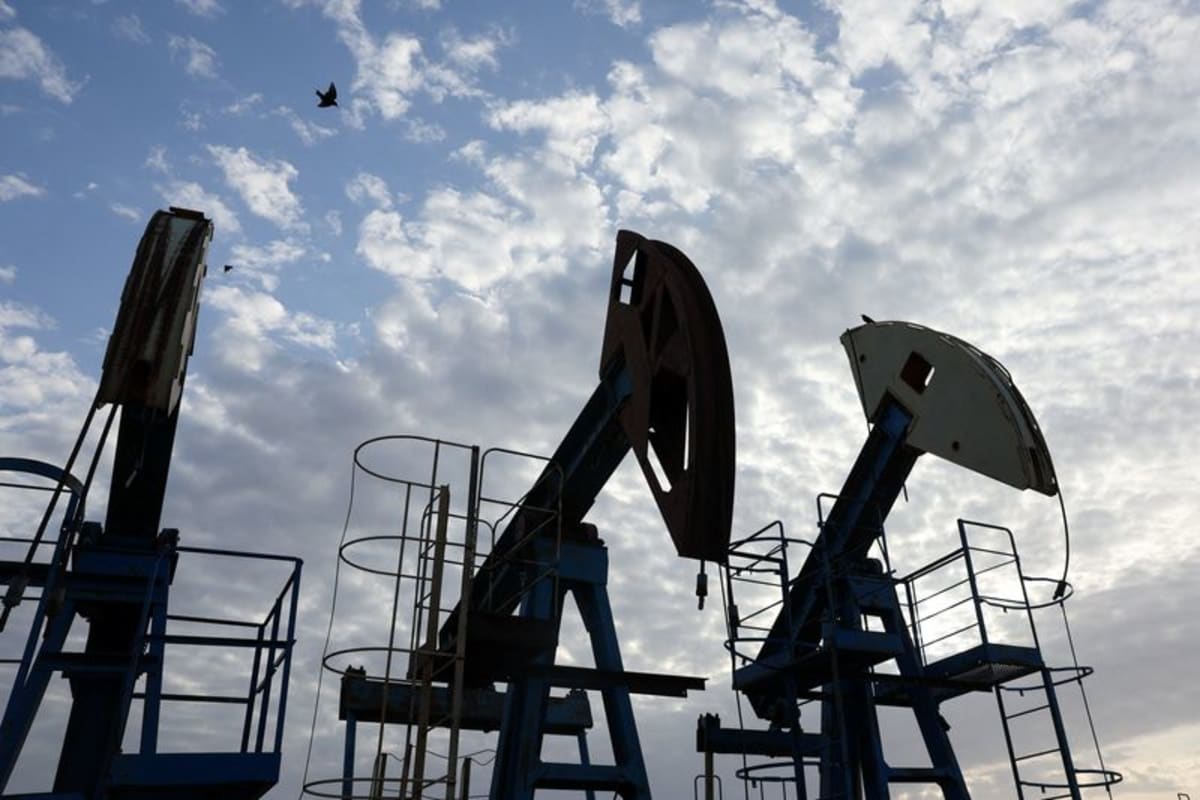
Refining capacity has emerged as a particularly acute choke point. According to Latimes, combined operational damage and safety hazards in conflict zones have sidelined about 10% of global fuel-making capacity. Consequently, the plants remaining operational have reaped extraordinary rewards. ExxonMobil’s refining division pulled in a record $9.05 billion in the third quarter, nearly five times its earnings from the previous year, while Chevron’s refineries recorded $4.93 billion in profit.
The shockwaves have been acutely felt by consumers across Europe and the UK. European natural gas benchmarks surged past €100 a megawatt-hour, according to Briefs, driven by cold weather forecasts and critically low storage inventories. Across the European Union, gas storage sits at roughly 75% capacity, with Germany’s reserves lagging below 62%.
| Company / Metric | Third-Quarter Financial Result | Operational & Market Context |
|---|---|---|
| ExxonMobil | $9.05 billion refining profit (record) | Adjusted earnings of $4.23 a share beat estimates by 10 cents; increased Gulf Coast distillate production by 40% since 2019. |
| Chevron | $4.93 billion refining profit (record) | Net income reached $5.28 a share; capital directed toward debt reduction and maintaining $2.5 billion in quarterly buybacks. |
| BP Plc | Over half of $8.46 billion adjusted net income from refining/trading | Advanced in London trading as strong trading desks capitalized on volatile wholesale energy flows. |
| Global Energy Squeeze | World Bank projects 23% rise in commodities for 2026 | Depleted global oil stocks and a forecasted 5.2% drop in global oil supply create the largest contraction outside the 2020 recession. |
In the UK, the crisis pushed the average price of diesel past the psychological threshold of £2 per litre for the first time, according to BBC. Industry experts note that transport and agricultural sectors are bearing the brunt of the increase, as higher diesel costs filter directly into food distribution and haulage expenses. While fuel retailers have denied allegations of price gouging, a stance supported by the country's official markets regulator, motoring bodies have warned that pump prices will remain elevated until wholesale crude experiences a sustained downward trend over several weeks.
Meanwhile, broader macroeconomic impacts are taking shape globally. The World Bank released its latest Commodity Markets Outlook, highlighted by Aol, projecting a 23% surge in global commodity prices for the year. Deputy chief economist Ayhan Kose cautioned that depleted global oil stocks and a projected 5.2% drop in supply threaten to worsen inflation, food insecurity, and economic growth across developing nations. Precious and industrial metals have similarly surged due to safe-haven demand and investments in green energy infrastructure.
Political friction has intensified alongside market volatility. In the United States, rising fuel prices have turned traditional strongholds into electoral battlegrounds, prompting administration officials to weigh interventionist measures, such as potential restrictions on domestic diesel exports, to safeguard local supplies (Latimes).
As winter sets in, energy markets remain highly sensitive to diplomatic developments, weather anomalies, and regional security updates. Traders and policymakers will be closely monitoring upcoming international ministerial meetings in Atlanta and emergency energy summits in Brussels to gauge whether short-term price caps, inventory releases, or shifting export quotas from nations such as China and South Korea can stabilize a fractured global supply chain.
How significant is this development?
Contribute your assessment to the aggregated reader sentiment ledger.
Frequently Asked Questions
Key questions answered in this reportWhat is the key development in: Big Oil reaps $56 billion as conflicts send fuel prices soaring?
Major energy supermajors have posted a combined $56.3 billion in third-quarter profits as geopolitical conflicts and supply bottlenecks send fuel prices soaring worldwide.
Why is this News development significant for the UK?
This report covers critical events in our News beat. Independent reporting monitors related UK statements, regulatory shifts, and public responses as further verified details emerge.
How was this reporting corroborated and verified?
Newsarchy UK compiles and cross-references reporting from primary reporting from BBC and cross-checked wire reports. All coverage adheres to published editorial standards.
When was this report published?
This briefing was published on October 31, 2026 and is permanently cataloged in the Newsarchy UK News archives.


