HMS Vengeance completes record 217-day nuclear submarine patrol
HMS Vengeance has returned to its Scottish base after completing an unprecedented 217-day underwater deployment, highlighting severe fleet strain within the Royal Navy.
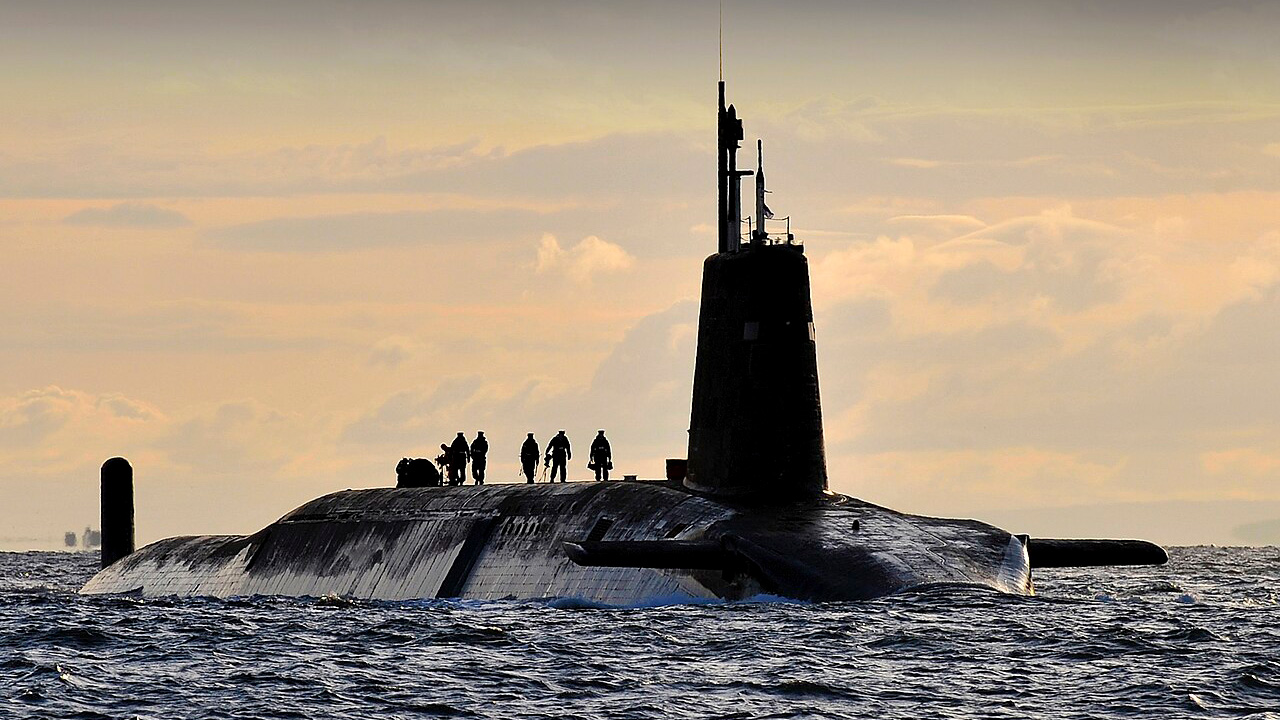
HMS Vengeance has returned to its Scottish base after completing an unprecedented underwater deployment, highlighting severe fleet strain as routine patrol lengths more than double. The Royal Navy ballistic missile submarine arrived back at HM Naval Base Clyde on Sunday, 15 November, after spending approximately 217 days submerged on patrol, according to open-source estimates reported by the UK Defence Journal.
The vessel, carrying Trident nuclear missiles and a 140-strong crew, departed on 12 April, as detailed by Bbc News. The deployment surpassed the previous record of 205 days set earlier in the year by its sister boat, HMS Vanguard, which had set the earlier record of 204 days on a patrol the year before. Defence Secretary Wes Streeting was present at Faslane to welcome the crew home, stating that it "doesn't sit lightly" with him that sailors were asked to serve longer than intended. While patrols used to typically last three months, maintenance delays have left fewer boats available to share the task, making six-month durations now routine, as reported by BBC News. A major overhaul of HMS Vanguard at Devonport Dockyard in Plymouth dragged on for seven years before it returned to service in 2022, and HMS Victorious is currently in dry dock undergoing a deep maintenance that began in 2023.
Media additions


| Vessel | Noted Patrol Length | Key Context |
|---|---|---|
| HMS Vanguard | 205 days | Set previous record returning in April; underwent extended multi-year overhaul. |
| HMS Vengeance | 217 days | Completed record-breaking deployment returning on Sunday, 15 November. |
Submariners on such extended tours operate in almost total isolation. Crews work in shifts of six hours on, six hours off and sleep in narrow bunks, relying on filtered air and weekly 120-word "Familygrams" with no right of reply, according to BBC News. Upon returning, personnel are said to find the outside world smells strange or even overwhelming and are advised not to drive for a few days while they adjust, with distance perception also affected. Photographers captured the submarine heading up the river towards Faslane on the morning of 15 November, showing the hull heavily weathered, and some of its sound-absorbing tiles were missing.
Meanwhile, Streeting said that program was "on track" and that it was important to get those vessels out "as soon as possible" as the Dreadnought class start replacing the ageing Vanguard fleet from the early 2030s. Operation Relentless, the Continuous At Sea Deterrent, has kept at least one ballistic missile submarine on patrol at all times since 1969, a mission First Sea Lord Gen Sir Gwyn Jenkins noted requires the UK to do better at maintaining the fleet.
The Ministry of Defence does not officially confirm the duration of deterrent patrols, citing security concerns. Open-source estimates and defence commentators have tracked the timeline, noting that the submarine sailed on 12 April and returned on Sunday, 15 November. The extended deployment reflects wider engineering challenges across the Royal Navy. The Vanguard-class boats, commissioned in the 1990s, were originally designed for shorter deployments and service lives of 25 years, but are now expected to operate for up to 40 years. Delays in maintenance facilities, such as the multi-year deep maintenance period for HMS Victorious at Devonport Dockyard and the prolonged overhaul of HMS Vanguard, have restricted the pool of available operational boats.
Submariners endure demanding psychological and physical conditions during these extended deployments. Living in confined quarters with restricted communication and filtered air affects crews significantly. According to returned personnel and naval experts, readjusting to the outside world involves overcoming sensory overload, altered distance perception, and temporary sleep disturbances due to the absence of the constant ventilation noise experienced onboard. Despite these challenges, crews accumulate financial savings due to limited spending opportunities at sea and daily allowances.
Defense analysts have also pointed to historical budget decisions and political compromises as contributing factors to the current fleet pressures. The delayed timeline for the replacement Dreadnought-class programme, alongside constraints on conventional force investment, has amplified the strain on existing submarines. As the UK navigates these operational hurdles, the focus remains on maintaining the Continuous At Sea Deterrent while managing the ageing infrastructure of the current fleet.
What to watch next
- Progress on the Dreadnought-class replacement programme targeted for the early 2030s.
- Future maintenance milestones for HMS Victorious at Devonport Dockyard.
- Official updates on Operation Relentless and continuous at-sea deterrent rotations from News coverage.