Sadiq Khan calls for Britain to rejoin EU and slams Brexit as economic self-harm
London Mayor Sadiq Khan has stepped up his campaign for Britain to rejoin the European Union, denouncing Brexit as economic self-harm as parliament debates a petition.
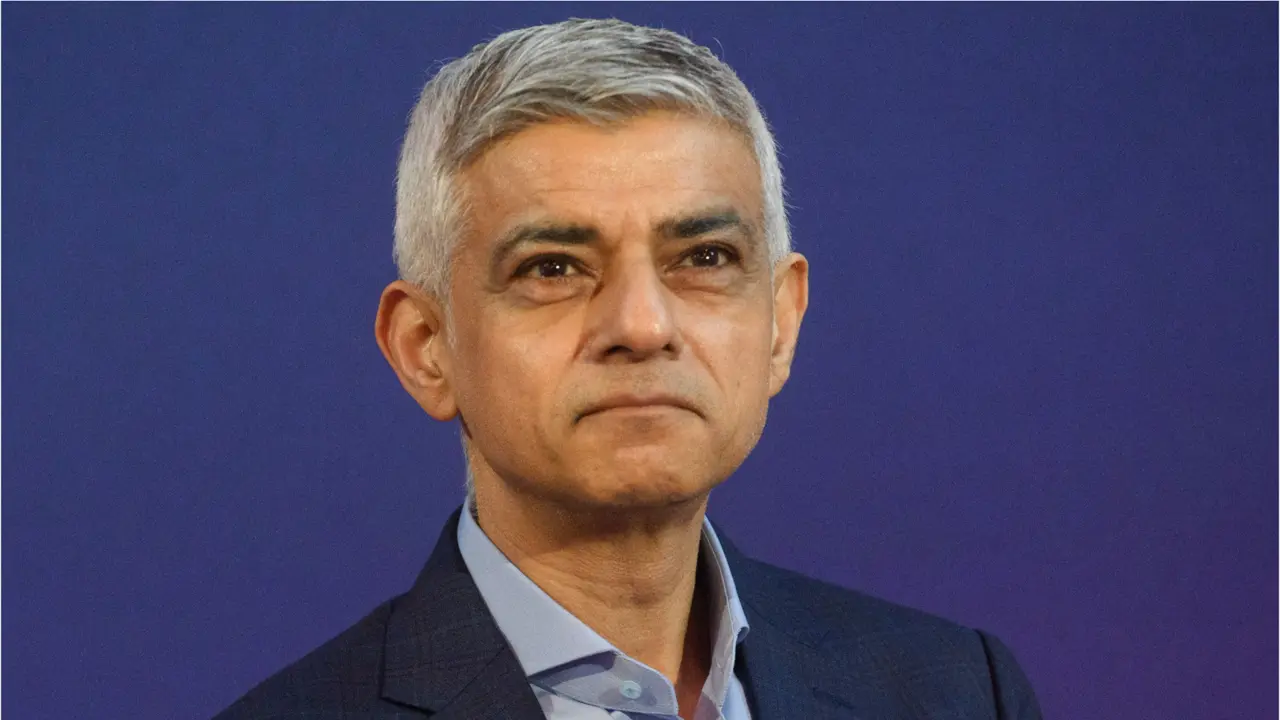
- Core Development: London Mayor Sadiq Khan has stepped up his campaign for Britain to rejoin the European Union, denouncing Brexit as economic self-harm as parliament debates a petition.
- Beat Context: Categorized under News with independent corroboration.
- Reporting Depth: 4 minute analytical read synthesized from verified newsroom sources.
London Mayor Sadiq Khan has intensified his campaign for Britain to return to the European Union, denouncing Brexit as the greatest act of economic and geopolitical self-harm in the country's history. Speaking as parliamentarians returned to Westminster following the conference season, Khan argued that the arguments in favour of rejoining the trading bloc have never been stronger, pointing to compounding economic damage and shifting geopolitical tensions across the continent.
According to The Standard, the Mayor of London's intervention follows discussions with the London Business Forum regarding economic growth and living standards. In a formal letter addressed to Minister for European Relations Hamish Falconer, Khan urged the government to implement immediate measures alongside his ultimate goal of rejoining the EU. These short-term proposals include removing trade barriers for food and drink exporters to curb supermarket inflation, establishing an emissions trading energy pact, implementing a youth mobility scheme, and securing an agreement to assist touring musicians.
Media additions

The push for closer European integration aligns with broader government manoeuvres under Prime Minister Andy Burnham. As reported by Aol, Burnham told the Commons that deals on the table for a UK-EU summit on November 20 could give the British economy a £10 billion-a-year boost. The Prime Minister maintained that the post-Brexit status quo is inadequate while insisting that the public will remain in control during renegotiations with Brussels. Burnham's administration has also pointed to Russian interference in the 2016 referendum, a matter the Prime Minister addressed in a podcast interview before clarifying his remarks in the House of Commons.
The political friction surrounding these developments erupted on Monday as MPs debated a petition titled "Apply to Rejoin the EU as soon as possible to increase growth in the UK" in Westminster Hall. The petition, which amassed more than 110,000 signatures, triggered the parliamentary debate. Meanwhile, Oxford Mail noted that Conservative leader Kemi Badenoch launched a sharp attack against the Prime Minister during Commons exchanges. Badenoch criticized Burnham for allegedly unpicking the original Brexit agreement signed a decade prior and asserted that he had compromised his negotiating position ahead of the Brussels meetings.
| Metric / Claim | Source Estimate or Figure | Context |
|---|---|---|
| London's post-Brexit economic deficit | £30 billion smaller | City Hall research estimating how much smaller London's economy is compared to projections without Brexit. |
| Average impact on Londoners | Nearly £3,400 worse off | Calculated average loss per capita in the capital based on City Hall analysis. |
| Projected economic gap by 2030 | Up to £250 billion | Forecasted divergence between London and comparable EU economies. |
| Potential annual boost from summit deals | £10 billion-a-year | Prime Minister's projection for the British economy stemming from the November summit. |
| Polling of London voters | Two thirds (66%) / 85% for ages 18-34 | Savanta UK survey figures indicating continuing local support for rejoining the EU. |
| Petition signatures | More than 110,000 | Threshold crossed to secure a parliamentary debate in Westminster Hall. |
Public sentiment in the capital appears heavily skewed towards closer ties or reintegration. Data highlighted by Aol indicates that all but five of London's 33 councils voted to remain in the EU during the 2016 referendum. Furthermore, polling conducted by Savanta UK demonstrated that two thirds of Londoners would vote to rejoin the bloc in a fresh referendum, a proportion that climbs to 85 percent among adults aged 18 to 34.
External pressures have added urgency to the debate. Khan emphasized that Vladimir Putin's invasion of Ukraine, combined with what he termed Donald Trump's "unsettling ambivalence" towards European security and the conflict in Iran, makes European cooperation an essential safe harbour for Britain. Conversely, Reform UK leader Nigel Farage argued that reopening the Brexit debate would ultimately benefit his party's political ambitions.
Backing the government's pivot, Naomi Smith, chief executive of the pro-rejoin campaign group Best for Britain, described Burnham's approach as a welcome shift. Smith argued that enduring economic relief requires recognizing a broad public consensus and moving beyond halfway house measures to unlock a potential £92 billion economic transformation for communities across the country, free from foreign interference.
As the political landscape shifts, readers and observers can track several upcoming developments and parliamentary milestones:
- Monday: MPs debate the parliamentary petition demanding an application to rejoin the European Union in Westminster Hall following its crossing of the six-figure signature threshold.
- 20 November: The scheduled UK-EU summit takes place in Brussels, where the government intends to press for agreements on food and drink trade, youth mobility, and emissions trading.
- Later this year: Prime Minister Andy Burnham is expected to outline options regarding the future of the UK-relationship with Brussels around the time of the November summit.
How significant is this development?
Contribute your assessment to the aggregated reader sentiment ledger.
Frequently Asked Questions
Key questions answered in this reportWhat is the key development in: Sadiq Khan calls for Britain to rejoin EU and slams Brexit as economic self-harm?
London Mayor Sadiq Khan has stepped up his campaign for Britain to rejoin the European Union, denouncing Brexit as economic self-harm as parliament debates a petition.
Why is this News development significant for the UK?
This report covers critical events in our News beat. Independent reporting monitors related UK statements, regulatory shifts, and public responses as further verified details emerge.
How was this reporting corroborated and verified?
Newsarchy UK compiles and cross-references reporting from primary reporting from London Evening Standard and cross-checked wire reports. All coverage adheres to published editorial standards.
When was this report published?
This briefing was published on October 22, 2026 and is permanently cataloged in the Newsarchy UK News archives.


