UK overhauls migrant settlement system by doubling residency wait to ten years
The British government has replaced its five-year residency model with a ten-year earned settlement framework, sparking intense political debate and exemptions for key workers.

- Core Development: The British government has replaced its five-year residency model with a ten-year earned settlement framework, sparking intense political debate and exemptions for key workers.
- Beat Context: Categorized under News with independent corroboration.
- Reporting Depth: 3 minute analytical read synthesized from verified newsroom sources.
The British government has announced a major overhaul of the United Kingdom's migration settlement system, replacing the traditional five-year "time-served" permanent residency model with a stricter, contribution-based framework. Under the newly introduced "earned settlement model," the standard qualifying period for Indefinite Leave to Remain (ILR) is doubled from five years to ten years for most foreign workers. The sweeping policy shift is designed to address public concerns over post-Brexit immigration numbers and long-term welfare sustainability, though it has ignited sharp political debate and warnings from business groups over potential workforce shortages.
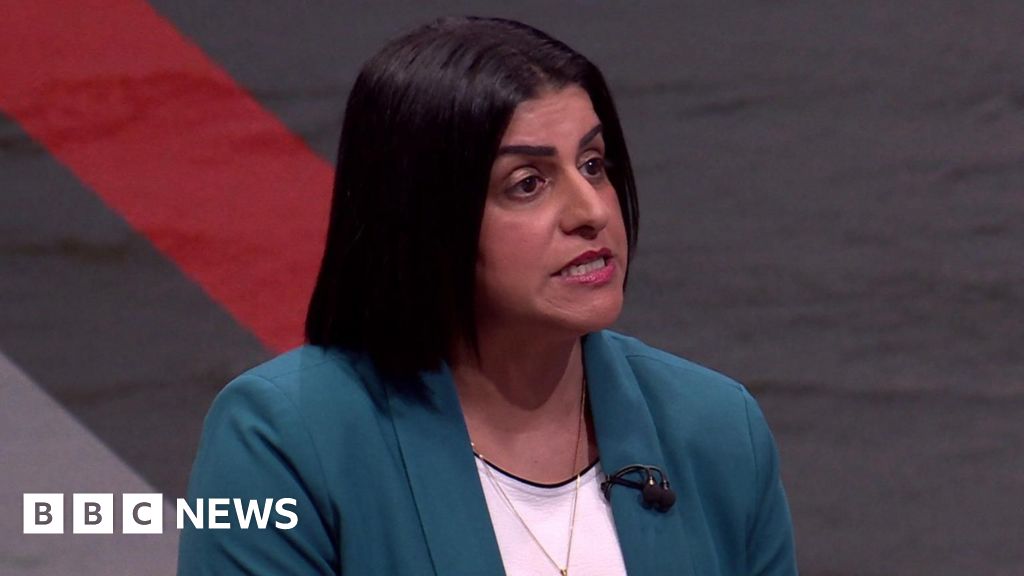
Home Secretary Shabana Mahmood confirmed the structural shift, arguing that permanent residency should be earned through economic and social contribution rather than granted on the basis of time alone. The government received more than 200,000 responses during a preceding consultation period, highlighting widespread public concern over fairness, complexity, and the impact on individuals already living in the country.
Media additions


| Migrant Category | New Settlement Pathway | Notes |
|---|---|---|
| Most Foreign Workers | 10 Years | Doubled from the standard five-year route. |
| High Earners & Public Services (Doctors, Nurses, Teachers) | 5 Years | Applies to earners above specific thresholds and key public sectors. |
| Social Care Workers | 5 Years | Exempted from the extended wait following union and political backlash. |
| Rule-Breakers | 20 Years | Mandatory extension for anyone found to have breached immigration rules. |
| Clandestine Arrivals (e.g., Small Boats) | Up to 30 Years | Includes an additional ten-year waiting period on top of standard terms. |
The revised policies establish tiered pathways depending on earnings and occupation. High earners will be able to settle within three years, while workers earning above specific thresholds and key public sector employees—including doctors, nurses, and teachers—qualify after five years. Following pushback from trade unions and members of the ruling Labour Party, Mahmood announced a specific exemption for social care workers, allowing them to maintain their existing five-year pathway.
Prime Minister Andy Burnham backed the home secretary's direction, stating that the country had lost control of immigration following the Brexit vote. However, the political landscape remains heavily contested. Right-wing populist party Reform UK has pushed for even more aggressive measures, proposing to scrap indefinite leave to remain entirely in favour of five-year renewable work visas and barring non-citizens from welfare access. Conservative shadow home secretary Chris Philp dismissed the government's plans as insufficient, arguing that illegal migrants should instead be deported within a week.
Welfare and legal support provisions are also undergoing strict tightening. Asylum seekers who break the law, illegally work, or possess the financial means to support themselves will lose their state-provided accommodation and financial support under separate legislation. The statutory legal duty to provide universal asylum support is being revoked in favour of a conditional approach. Government data indicated substantial expenditures on asylum hotels and support systems over the preceding financial cycles, prompting ministers to follow aspects of the Danish model to curb unauthorized entries and encourage rapid removals.
Human rights organizations and refugee advocates have criticized the prolonged timelines. Representatives from the Refugee Council warned that a twenty-year timeframe for asylum settlement would leave vulnerable individuals trapped in chronic anxiety and legal limbo. Economic analysts from the Migration Observatory noted that behavioral responses to such deterrents remain difficult to measure accurately given the complex motivations driving migration.
The new rules are scheduled to take effect next year, though individuals who already hold settled status will remain unaffected. As Westminster debates the long-term economic and fiscal impacts of the overhaul, lawmakers and industry leaders are bracing for upcoming parliamentary votes on the statutory implementation of the framework.
How significant is this development?
Contribute your assessment to the aggregated reader sentiment ledger.
Frequently Asked Questions
Key questions answered in this reportWhat is the key development in: UK overhauls migrant settlement system by doubling residency wait to ten years?
The British government has replaced its five-year residency model with a ten-year earned settlement framework, sparking intense political debate and exemptions for key workers.
Why is this News development significant for the UK?
This report covers critical events in our News beat. Independent reporting monitors related UK statements, regulatory shifts, and public responses as further verified details emerge.
How was this reporting corroborated and verified?
Newsarchy UK compiles and cross-references reporting from primary reporting from BBC and cross-checked wire reports. All coverage adheres to published editorial standards.
When was this report published?
This briefing was published on November 3, 2026 and is permanently cataloged in the Newsarchy UK News archives.