Reserve Bank of Australia Raises Interest Rate to 4.85%
The Reserve Bank of Australia has lifted its official cash rate by 25 basis points to 4.85%, pushing borrowing costs to an 18-year high amid persistent inflation.
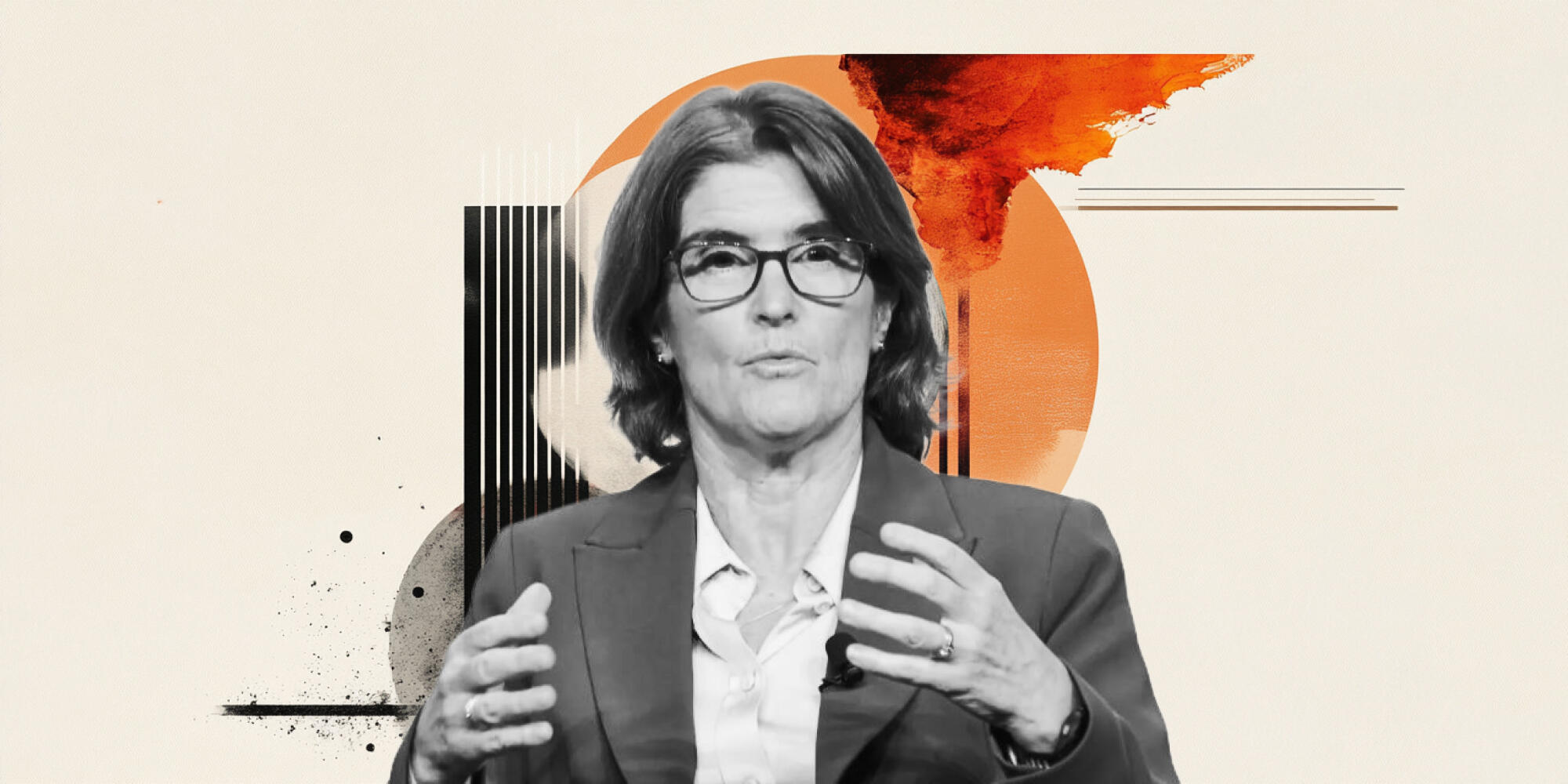
- Core Development: The Reserve Bank of Australia has lifted its official cash rate by 25 basis points to 4.85%, pushing borrowing costs to an 18-year high amid persistent inflation.
- Beat Context: Categorized under Business with independent corroboration.
- Reporting Depth: 4 minute analytical read synthesized from verified newsroom sources.
The Reserve Bank of Australia has lifted its Official Cash Rate by 25 basis points to 4.85% from 4.60%, marking the fifth interest rate hike of 2026 and pushing borrowing costs to their highest level in 18 years, according to Cnbc. The decision, reached after the November monetary policy meeting, aims to combat stubbornly high inflation driven by domestic capacity constraints and global energy pressures from the Middle East conflict, as reported by The Conversation.
Tuesday, 3 November 2026's policy shift came through a narrow 6-3 vote among board members, signalling an increasingly divided central bank as economic growth slows, according to Asia Nikkei. Six policymakers supported the tighter stance to prevent inflation expectations from becoming entrenched, while three preferred to keep rates on hold and wait for additional incoming data, as outlined by Fxstreet. The rate has not reached this level since late 2008 during the global financial crisis, as noted by ABC.
Media additions

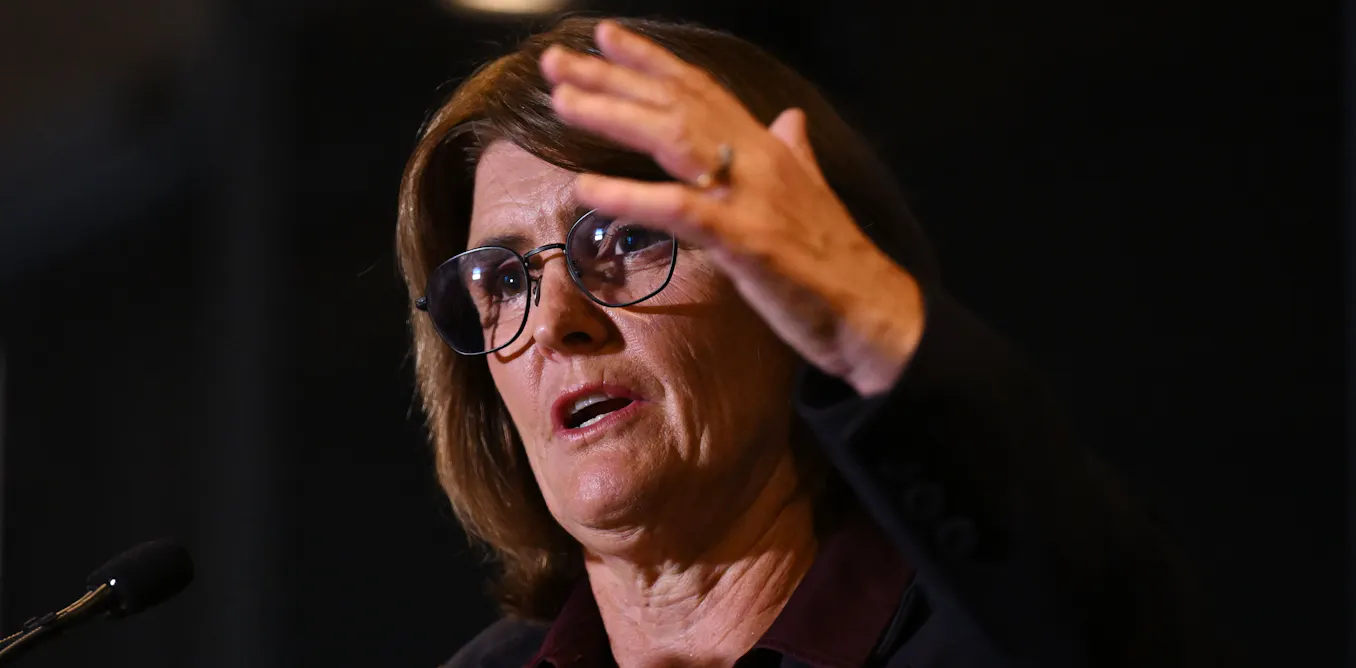
Underpinning the move is a substantial upward revision to official inflation forecasts. Consumer price index inflation rose to 4.3% in September, up from 4% in August, while the trimmed mean measure of underlying inflation accelerated to 3.6%, according to The Conversation. The central bank now projects that inflation will remain elevated above 3% for the coming year and will not return to its 2-3% target range until late 2027, trailing previous estimates by roughly three quarters, as reported by CNBC.
Global supply shocks continue to complicate the domestic outlook. The ongoing Middle East conflict has driven up international energy prices, pushing Australian fuel prices up 9.4% in September alone, while rapid investment in artificial intelligence and data centres has stoked demand for technology goods, according to The Conversation. Domestically, low productivity growth and tight capacity constraints mean local price pressures remain acute across non-tradable goods and services, including construction, electricity, and medical treatments, as noted by The Conversation.
The cumulative tightening cycle is already reshaping the broader economy. Household spending stalled in August and housing prices fell 1.2% in October for their seventh consecutive monthly decline, according to The Conversation.
| Economic Indicator | Previous Forecast / Period | Current Outlook / Level |
|---|---|---|
| Official Cash Rate (OCR) | 4.60% | 4.85% |
| Headline Inflation (September) | 4.0% (August) | 4.3% |
| Trimmed Mean CPI | 3.5% | 3.6% |
| Unemployment Rate Projection (Q4 2028) | 4.8% (August forecast) | 5.1% |
For mortgage holders, the financial squeeze is intensifying. Assuming lenders pass on the adjustment in full, the latest 25 basis point increase adds approximately A$120 per month to repayments on a $731,000 owner-occupier loan, bringing the total increase from this year's five rate hikes to roughly $600 monthly, according to The Conversation. At the same time, savers with high-interest bank accounts will see their deposits accrue higher returns, as noted by Abc.
Speaking at her post-meeting press conference on Tuesday, 3 November 2026, Reserve Bank of Australia Governor Michele Bullock defended the board's action while addressing fears of a downturn. We are not looking to tip the economy into recession if we can avoid it,
Bullock said, according to reporting by ABC. However, she warned that sluggish growth and constrained incomes will make the economic slowdown feel like a recession to many households, as cited by The Conversation.
Financial markets reacted swiftly to the decision and the narrow 6-3 vote count, scaling back expectations of aggressive future tightening and sending the Australian dollar lower against major currencies, according to Asia Nikkei. Analysts remain divided on whether further increases will materialize. BetaShares economist David Bassanese suggested that two additional rate hikes could occur in the first half of next year, though the central bank may pause at its next gathering, as reported by ABC. Conversely, EY chief economist Cherelle Murphy noted that with the cash rate at an 18-year peak, monetary policy is likely sufficiently restrictive to return inflation to target over time, according to ABC.
The Reserve Bank of Australia Monetary Policy Board will convene next for its final scheduled policy gatherings of the year. Borrowers and analysts will monitor incoming retail, employment, and inflation data to determine whether 4.85% marks the peak of the current cycle or if additional tightening awaits in the new year.
How significant is this development?
Contribute your assessment to the aggregated reader sentiment ledger.
Frequently Asked Questions
Key questions answered in this reportWhat is the key development in: Reserve Bank of Australia Raises Interest Rate to 4.85%?
The Reserve Bank of Australia has lifted its official cash rate by 25 basis points to 4.85%, pushing borrowing costs to an 18-year high amid persistent inflation.
Why is this Business development significant for the UK?
This report covers critical events in our Business beat. Independent reporting monitors related UK statements, regulatory shifts, and public responses as further verified details emerge.
How was this reporting corroborated and verified?
Newsarchy UK compiles and cross-references reporting from primary reporting from fxstreet.com and cross-checked wire reports. All coverage adheres to published editorial standards.
When was this report published?
This briefing was published on November 3, 2026 and is permanently cataloged in the Newsarchy UK Business archives.