Burnham cuts household electricity VAT to 0% from October 1
Prime Minister Andy Burnham announced the elimination of VAT on household electricity to help with rising living costs. The cut is funded by scrapping a digital-ID programme, a decision that has faced criticism regarding its financing.

- Core Development: Prime Minister Andy Burnham announced the elimination of VAT on household electricity to help with rising living costs. The cut is funded by scrapping a digital-ID programme, a decision that has faced criticism regarding its financing.
- Beat Context: Categorized under NHS with independent corroboration.
- Reporting Depth: 4 minute analytical read synthesized from verified newsroom sources.
From 1 October the value‑added tax that has sat on domestic electricity bills at 5 % will disappear, a move the new prime minister says will give households “breathing space” after months of soaring living costs. The tax cut, announced on Tuesday, is being funded by scrapping the government’s digital‑ID programme, a decision that has already drawn criticism from within Burnham’s own party.
How the policy unfolded
- Monday: In his first address to the nation Burnburn announced “early breathing space” for families and pledged to end rough sleeping.
- Monday evening: He reshuffled the cabinet, appointing former defence secretary John Healey as chancellor.
- Tuesday morning: Burnham confirmed the VAT rate on household electricity will drop from 5 % to 0 % on 1 October.
- Following days: Labour MP Darren Jones warned the funding source – the cancellation of a digital‑ID scheme – was “unfunded”.
The timeline draws on reports from The Standard, NBC News and the Goulburn Post.
Media additions
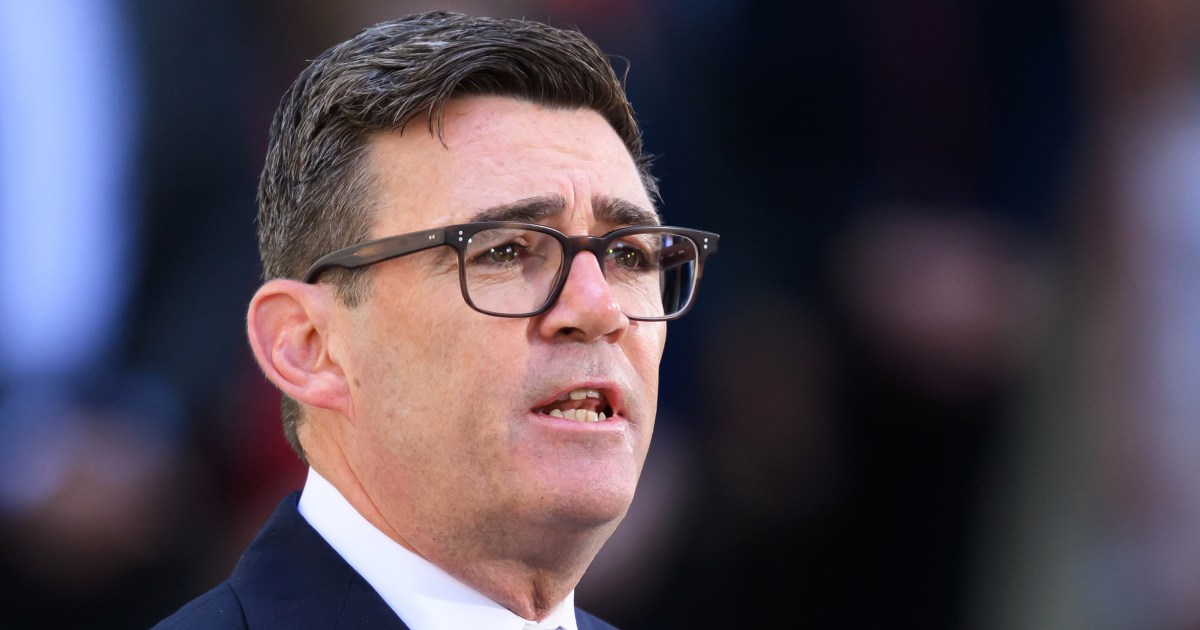

Funding the cut
Burnham framed the decision as “taking immediate action to cut taxes on energy bills, put more money in people’s pockets and bring back hope”.
“We’re taking immediate action to cut taxes on energy bills, put more money in people’s pockets and bring back hope.”
Andy Burnham, Prime Minister, via NBC News
He said the savings would come from scrapping Sir Keir Starmer’s digital‑ID programme, a move he announced on Sunday. The programme had been budgeted at $2.4 billion in the United States reporting and at Stg1.8 billion in the Australian outlet.
“The government will have to set out how it will pay for its new policies at the budget.”
Darren Jones, Labour MP, via The Standard
Jones, a former ally of the previous prime minister, labeled the scheme “unfunded” and asked for a detailed financing plan at the upcoming budget.
What the cut means for the average household
Burnham estimated the relief would shave roughly £45 off the average annual electricity bill, which he said sits at about £1,862. By eliminating the 5 % tax, every kilowatt‑hour a home consumes will be billed at the pre‑VAT rate, effectively reducing the cost of powering lights, appliances and heating.
The End Fuel Poverty Coalition welcomed the move as a sign of positive intent but added that “it does not address the scale of what households are facing, with millions still left paying an unaffordable share of their income on energy and record levels of energy debt built up over successive winters of high bills.”
Political and market reaction
Burnham’s announcement triggered an immediate reaction from financial markets. Bond investors noted a rise in borrowing costs, with 30‑year gilt yields pushed to a two‑month high on the day of the statement.
International bodies weighed in indirectly. The International Monetary Fund had praised the previous government for avoiding broad, untargeted energy subsidies in response to the Iran conflict, while the Organisation for Economic Co‑operation and Development urged Britain to keep VAT exemptions limited to protect tax revenue.
Broader cost‑of‑living context
Energy bills have been a central driver of Britain’s cost‑of‑living crisis since wholesale gas prices surged after Russia’s full‑scale invasion of Ukraine in 2022. The Conservative government of that era introduced an energy‑price guarantee that shielded households for a time, but prices eased only to remain up to 60 % higher than before the crisis and have risen again in recent months because of the Iran war.
Burnham’s first speech as prime minister also set out a broader agenda: ending rough sleeping, exploring caps on bus fares, and promising a ten‑year plan later in the year to address “life’s essentials”. He told reporters, “It won’t solve everything, it won’t take all of the pressure off, but it just shows the direction of travel and … about helping them out.”
What’s next
Labour’s budget will be the next test for the government’s financing claims. Opposition figures expect a detailed breakdown of how the digital‑ID savings will be repurposed, while markets will watch for any additional fiscal measures that could affect gilt yields.
Meanwhile, Burnham has signalled that the electricity‑VAT cut is only the first step. He hinted at possible reforms to public transport fares and a broader “circuit breaker” agenda aimed at restoring public confidence.
Stakeholders—from consumer groups to bond investors—will be tracking whether the promised “breathing space” materialises in household accounts and how the Treasury balances the cut against other budgetary pressures.
How significant is this development?
Contribute your assessment to the aggregated reader sentiment ledger.
Frequently Asked Questions
Key questions answered in this reportWhat is the key development in: Burnham cuts household electricity VAT to 0% from October 1?
Prime Minister Andy Burnham announced the elimination of VAT on household electricity to help with rising living costs. The cut is funded by scrapping a digital-ID programme, a decision that has faced criticism regarding its financing.
Why is this NHS development significant for the UK?
This report covers critical events in our NHS beat. Independent reporting monitors related UK statements, regulatory shifts, and public responses as further verified details emerge.
How was this reporting corroborated and verified?
Newsarchy UK compiles and cross-references reporting from primary reporting from nbcnews.com and cross-checked wire reports. All coverage adheres to published editorial standards.
When was this report published?
This briefing was published on July 21, 2026 and is permanently cataloged in the Newsarchy UK NHS archives.