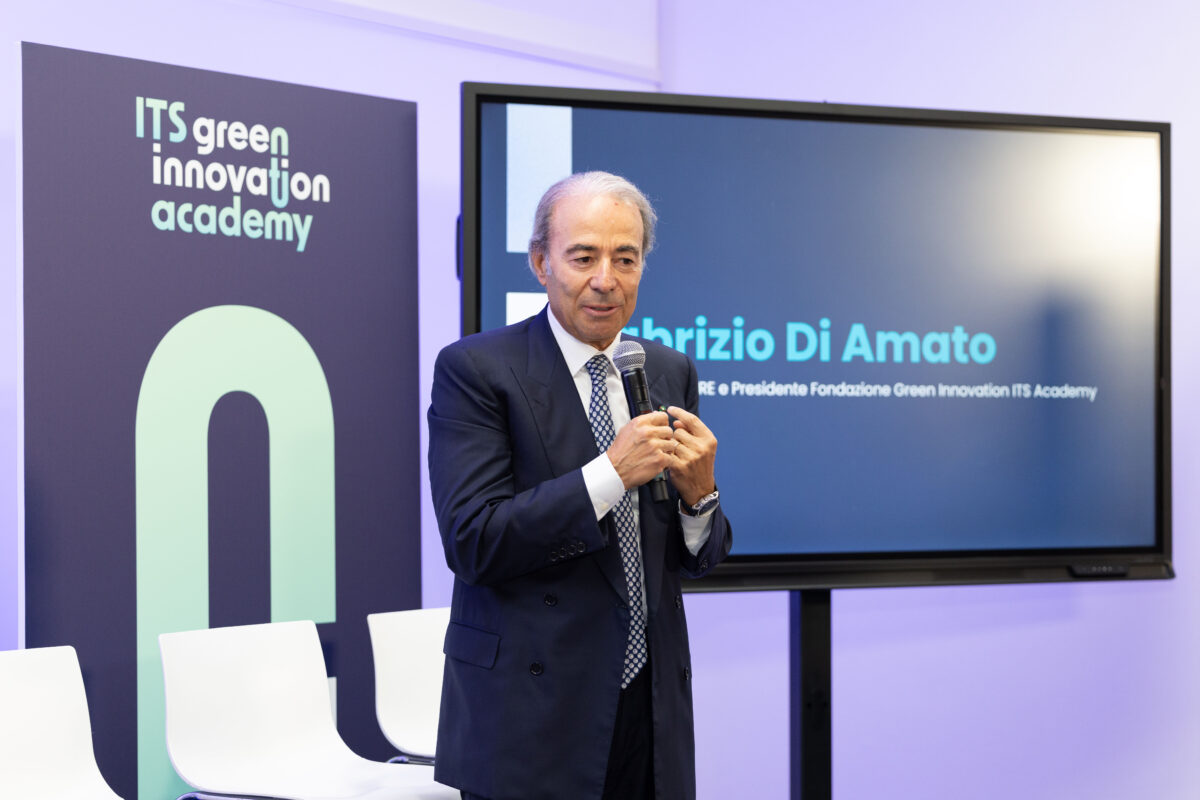
Andy Burnham announces end of pension triple lock at Labour conference
Prime Minister Andy Burnham has announced plans to end the state pension triple lock, with reforms taking effect in April 2030 to fund a national care service.

- Core Development: Prime Minister Andy Burnham has announced plans to end the state pension triple lock, with reforms taking effect in April 2030 to fund a national care service.
- Beat Context: Categorized under NHS with independent corroboration.
- Reporting Depth: 3 minute analytical read synthesized from verified newsroom sources.
Prime Minister Andy Burnham has used his conference address to announce plans to end the state pension triple lock, confirming a major shift in public spending policy that will see the mechanism adjusted from April 2030. The policy, which guarantees that state pensions rise by whichever is highest out of inflation, average earnings growth, or 2.5 per cent, has long been a cornerstone of retirement planning. Under the newly unveiled proposals, the automatic link to earnings will be severed to prevent much larger pension hikes during years when wages spike, though the existing guarantee will technically remain in place until after the next election.
The announcement has immediate implications for public finances and political alignment. According to government guidance published alongside the speech, the adjustments are estimated to reduce state pension spending by £15bn a year by the end of the 2030s, escalating to £50bn a year by 2050. Separate projections cited by the Devere Group place total nominal savings at more than £60 billion by mid-century. Despite the delayed implementation date, official plans dictate that MPs will be required to vote on the statutory changes during this parliament, ensuring the reform forms a central battleground for future manifestos.
Media additions


| Metric / Projection | Government Estimate | Think-Tank & Analyst Findings |
|---|---|---|
| Annual Savings (by late 2030s) | £15bn a year | Ranging from £0 to £24bn depending on historical economic models (Resolution Foundation) |
| Long-term Savings (by 2050) | £50bn to £60bn in nominal terms | Subject to wage volatility and real earnings growth |
| Projected Pension Divergence (20-year horizon) | — | Could leave state pensions £5,400 lower annually compared to unadjusted triple lock path (Modeling via The Independent) |
The proposed overhaul is designed to finance a brand-new national care service in England, modeled on the Scottish system to cover care costs while excluding accommodation expenses. Mr Burnham insisted that millions of pensioners would ultimately benefit from the restructured safety net, accompanied by a promise to exempt lower-income pensioners from income tax during the current parliamentary term. Ahead of the 2030 shift, state pensions are nonetheless on course for a near-term increase, with earnings growth tracking at 3.9 percent against an inflation rate of 3.1 percent, pushing the full new state pension higher.
Reaction from political opponents and trade unions has been sharp. Conservative leader Kemi Badenoch acknowledged during an interview on Times Radio that formally committing to reinstate the triple lock would prove difficult if Labour spends the redirected funds before a change in power, even as she maintained that preserving the lock remains official Tory policy. Meanwhile, Unite general secretary Sharon Graham denounced the move as electoral suicide, joining widespread criticism from other opposition parties. Public opinion appears more divided, with YouGov polling indicating that voters support the prime minister's plan by a margin of 48% to 28%.
Financial markets have responded aggressively to the wider fiscal package accompanying the Labour conference. Following the speech, bond markets experienced severe turbulence as thirty-year gilt yields touched their highest levels in decades, reflecting heightened scrutiny over domestic borrowing and public debt. Analysts warn that the administration faces stringent financial pressures as it attempts to balance sweeping public service expansion with market demands for credibility.
What to watch next
- Parliamentary scheduling for the upcoming legislation to amend the triple lock mechanism during the current session.
- The delivery of the Autumn Budget on 28 October 2026, which will set out updated fiscal forecasts and debt headroom.
- Further trade union mobilizations, including coordinated public sector strikes and ongoing disputes across transport and NHS supply chains.
For related developments across public administration, readers can review broader NHS guidance or check ongoing political updates via Healey vows to stick to fiscal rules in budget built on hope and Andy Burnham announces pension triple lock overhaul and electoral reform.
How significant is this development?
Contribute your assessment to the aggregated reader sentiment ledger.
Frequently Asked Questions
Key questions answered in this reportWhat is the key development in: Andy Burnham announces end of pension triple lock at Labour conference?
Prime Minister Andy Burnham has announced plans to end the state pension triple lock, with reforms taking effect in April 2030 to fund a national care service.
Why is this NHS development significant for the UK?
This report covers critical events in our NHS beat. Independent reporting monitors related UK statements, regulatory shifts, and public responses as further verified details emerge.
How was this reporting corroborated and verified?
Newsarchy UK compiles and cross-references reporting from primary reporting from shopstewards.net and cross-checked wire reports. All coverage adheres to published editorial standards.
When was this report published?
This briefing was published on October 7, 2026 and is permanently cataloged in the Newsarchy UK NHS archives.