Poll shows 42% think Labour will win, boosting Andy Burnham
A recent More in Common survey reveals that 42% of voters now expect a Labour general election victory, nearly doubling from 23% last summer and boosting Prime Minister Andy Burnham.

- Core Development: A recent More in Common survey reveals that 42% of voters now expect a Labour general election victory, nearly doubling from 23% last summer and boosting Prime Minister Andy Burnham.
- Beat Context: Categorized under NHS with independent corroboration.
- Reporting Depth: 4 minute analytical read synthesized from verified newsroom sources.
A new survey has revealed that the proportion of voters who believe Labour will win the next general election has nearly doubled over the past year, providing a significant boost to Prime Minister Andy Burnham following his first one hundred days in office.
The More in Common survey found that forty-two percent of the public anticipate a Labour victory, compared to just twenty-three percent during the previous summer. Concurrently, the proportion of respondents who expected Labour to lose dropped from fifty-eight percent down to thirty-three percent. Even among voters who backed Reform UK, twenty-six percent now believe Labour will triumph, a rise from eleven percent.
Media additions
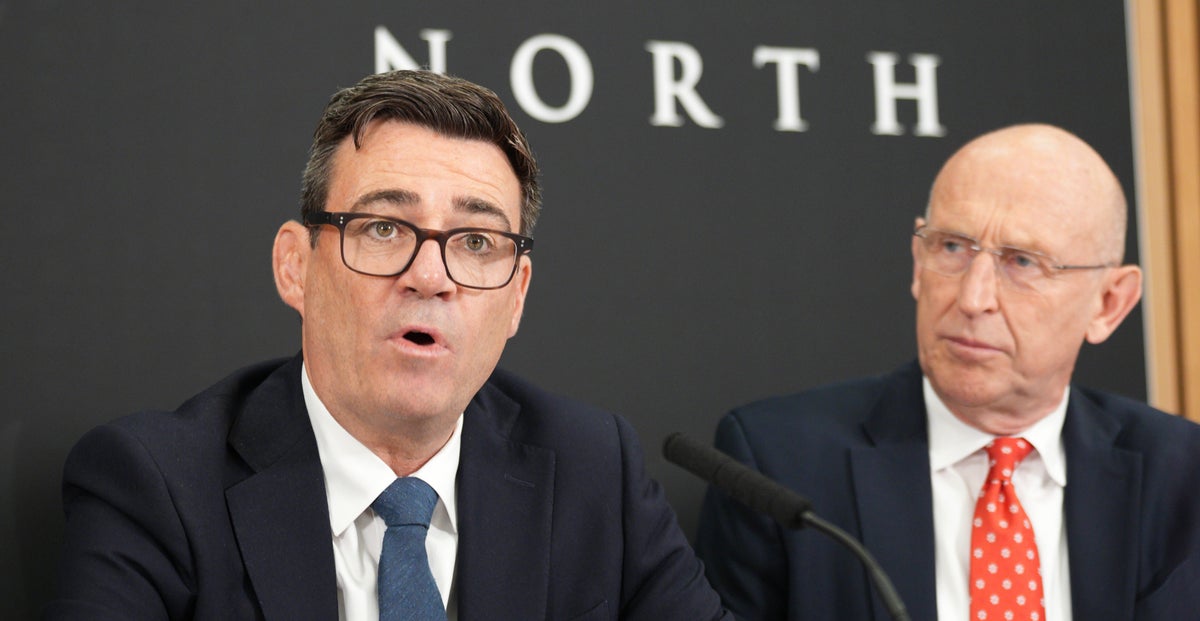

Louis O’Geran, external affairs manager at More in Common, noted the dramatic turnaround in public perception since the leadership transition. Polling expert and Tory peer Robert Hayward attributed the shift to a combination of factors, telling The Independent that it reflected both the departure of former prime minister Sir Keir Starmer and a positive view among Labour voters toward the current premier.
The survey also found that seventy-two percent of Labour’s voters from the two thousand and twenty-four general election expect the party to win the contest, which must be held by twenty twenty-nine, alongside fifty-four percent of Liberal Democrat voters and thirty-nine percent of Conservative voters. Despite the polling bounce, long-serving Labour MP Diane Abbott suggested considering an early election if the Budget went well because conditions would not improve further. However, the prime minister ruled out calling a general election in the next twelve months.
The political landscape has shifted as the administration navigates complex post-Brexit relations. The prime minister’s recent remarks suggesting an open discussion on European relations and freedom of movement have triggered intense debate across Westminster. Cabinet ministers have rallied around the debate on European integration ahead of the forthcoming UK–EU summit scheduled for November twenty, with senior figures including Angela Rayner and Ed Miliband backing the call to re-examine ties to foster growth. However, the stance has caused friction with some backbenchers representing Brexit-leaning constituencies who fear political backlash from voters in regions that traditionally supported the Conservatives or Reform UK.
| Metric / Survey Focus | Previous Figure | Current Figure |
|---|---|---|
| Voters predicting a Labour election win | 23% | 42% |
| Voters predicting a Labour election loss | 58% | 33% |
| Reform voters predicting a Labour win | 11% | 26% |
| Labour 2024 voters predicting a win | — | 72% |
The recent financial statement delivered by Chancellor John Healey drew mixed reactions from economists and policy institutes who questioned whether the measures would sufficiently stimulate long-term economic output. Former adviser Andy Haldane gave the announcement a rating of four out of ten, while the Office for Budget Responsibility warned that living standards are projected to fall amid higher borrowing costs and inflation driven by the war involving the United States and Iran. The Institute for Fiscal Studies and the Resolution Foundation also raised concerns that the fiscal package offered insufficient support to offset rising household energy bills and sluggish gross domestic product growth.
At the same time, discussions on devolution have progressed. During a meeting in Glasgow, the First Minister of Wales pressed for enhanced fiscal tools and borrowing powers, noting an encouraging consensus with the prime minister that existing arrangements place Welsh governance at a disadvantage, as reported by Parliament Today.
External analysts remain watchful regarding how economic forecasts and forthcoming legislative reviews will unfold. Government departments await further details on welfare reform and infrastructure spending commitments ahead of upcoming departmental reviews. As the administration prepares for upcoming diplomatic engagements with European counterparts, questions persist over the practical scope of future agreements, including potential emissions trading system linkages and sanitary and phytosanitary arrangements, and their ultimate impact on domestic prosperity.
How significant is this development?
Contribute your assessment to the aggregated reader sentiment ledger.
Frequently Asked Questions
Key questions answered in this reportWhat is the key development in: Poll shows 42% think Labour will win, boosting Andy Burnham?
A recent More in Common survey reveals that 42% of voters now expect a Labour general election victory, nearly doubling from 23% last summer and boosting Prime Minister Andy Burnham.
Why is this NHS development significant for the UK?
This report covers critical events in our NHS beat. Independent reporting monitors related UK statements, regulatory shifts, and public responses as further verified details emerge.
How was this reporting corroborated and verified?
Newsarchy UK compiles and cross-references reporting from primary reporting from huffingtonpost.co.uk and cross-checked wire reports. All coverage adheres to published editorial standards.
When was this report published?
This briefing was published on October 30, 2026 and is permanently cataloged in the Newsarchy UK NHS archives.