EU Infant RSV Study Finds Monoclonal Antibodies Outperform Maternal Vaccines
A continental modelling study reveals that long-acting monoclonal antibodies consistently outperform maternal vaccines in reducing infant RSV hospital admissions.

- Core Development: A continental modelling study reveals that long-acting monoclonal antibodies consistently outperform maternal vaccines in reducing infant RSV hospital admissions.
- Beat Context: Categorized under NHS with independent corroboration.
- Reporting Depth: 3 minute analytical read synthesized from verified newsroom sources.
A comprehensive continental-scale modelling framework evaluating infant respiratory syncytial virus immunisation strategies across Europe has found that long-acting monoclonal antibodies consistently outperform maternal vaccines in reducing hospital admissions, according to research published in medRxiv in June 2026. The findings arrive as public health authorities across the continent grapple with integrating universal immunisation tools into national schedules. Respiratory syncytial virus remains the leading pathogen responsible for acute lower respiratory infections worldwide, disproportionately impacting young children and generating substantial direct healthcare costs across international health systems. According to data reported in medRxiv, respiratory syncytial virus accounts for an estimated 33 million acute lower respiratory infection episodes and 3.6 million hospitalisations globally in children under five years of age. Within the European Union, an estimated 245,000 respiratory syncytial virus-associated hospitalisations occur annually among children under five years of age, with 75% of the burden affecting infants in their first year of life.
The mathematical modelling study, developed within the European Centre for Disease Prevention and Control RespiCompass collaborative hub, simulated alternative immunisation scenarios across 28 European Union and European Economic Area nations. Researchers found that at 95% coverage, long-acting monoclonal antibodies yield a cross-country median reduction in respiratory syncytial virus hospitalisations of 29.9% among infants under 12 months, with country medians ranging between 27.7% and 33.9%. By contrast, maternal vaccination achieved a median reduction of 22.4%, with a range from 20.0% to 25.6%. Both interventions scaled linearly with coverage levels, and the vast majority of averted hospital admissions — 78.3% for monoclonal antibodies and 72.7% for maternal vaccines — were concentrated in infants aged zero to two months, where the highest baseline hospitalisation rate is observed at 71.6 per 1,000 children.
Media additions
| Immunisation Strategy | Coverage Level | Median Hospitalisation Reduction | Primary Target Age Group |
|---|---|---|---|
| Long-Acting Monoclonal Antibodies | 95% | 29.9% (range: 27.7–33.9%) | 0–2 months |
| Maternal Vaccine | 95% | 22.4% (range: 20.0–25.6%) | 0–2 months |
Complementing these projections, real-world epidemiological studies published in CIDRAP reinforce the clinical impact of passive immunisation. Research led by the Instituto de Investigacion Sanitaria de Santiago de Compostela in Spain and published in The Lancet Infectious Diseases
followed infants eligible for nirsevimab during the 2023–24 respiratory season where nirsevimab uptake exceeded 94%. Compared with historical baseline seasons, lower respiratory tract infection hospitalisations fell by nearly 86% in the first season and remained suppressed by 55% into the subsequent 2024–25 season, despite shifts in dominant viral subtypes from respiratory syncytial virus A to respiratory syncytial virus B. In an accompanying commentary, Corinne Levy and Robert Cohen described the rollout of nirsevimab during the 2023–24 season as a major turning point for infants and for health-care systems as a whole,
noting dramatic reductions in respiratory syncytial virus bronchiolitis across two consecutive seasons.
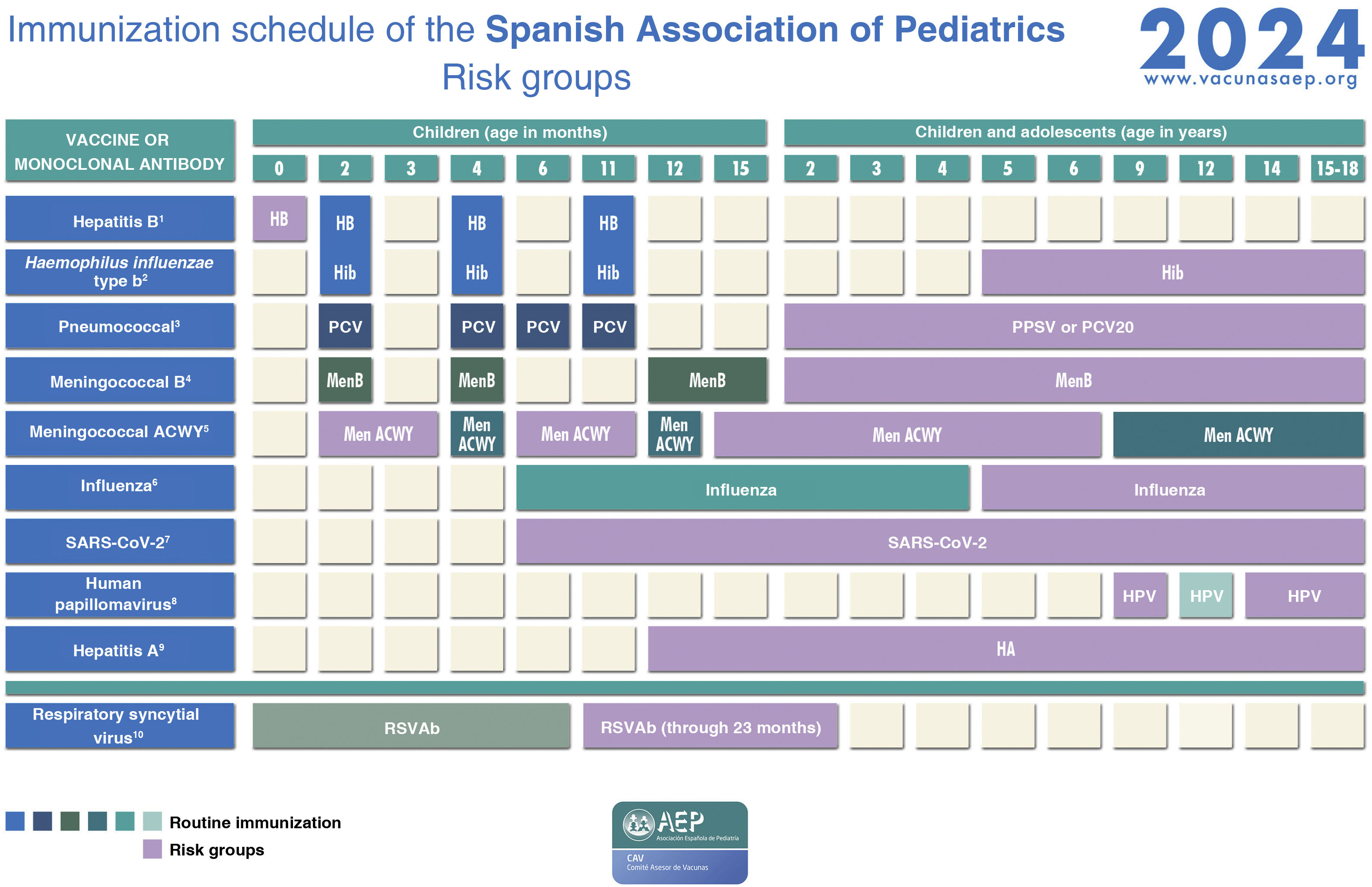
Despite these clinical successes, health system implementation hurdles remain pronounced. A pragmatic framework study published in Frontiers highlights that deploying long-acting monoclonal antibodies as a universal public health intervention requires extensive cross-sector planning across governance, funding, and service provision. European nations have adopted highly fragmented approaches. As of the 2025–26 season, 16 European Union and European Economic Area countries established fully funded universal infant programs using monoclonal antibodies, nine introduced fully funded maternal vaccination programmes, and only five, Belgium, Cyprus, France, Greece, and Luxembourg, offered parents a choice between both strategies.
The continental modelling framework demonstrates that incorporating a seasonal catch-up campaign for infants under six months at the onset of autumn nearly doubles the overall reduction in respiratory syncytial virus hospitalisations. Because long-acting monoclonal antibodies can be administered directly after birth or at season start, they offer vital flexibility for catching infants born outside the winter peak. Policy makers across Europe continue to evaluate these economic and epidemiological models as national immunisation technical advisory groups refine their guidance.
How significant is this development?
Contribute your assessment to the aggregated reader sentiment ledger.
Frequently Asked Questions
Key questions answered in this reportWhat is the key development in: EU Infant RSV Study Finds Monoclonal Antibodies Outperform Maternal Vaccines?
A continental modelling study reveals that long-acting monoclonal antibodies consistently outperform maternal vaccines in reducing infant RSV hospital admissions.
Why is this NHS development significant for the UK?
This report covers critical events in our NHS beat. Independent reporting monitors related UK statements, regulatory shifts, and public responses as further verified details emerge.
How was this reporting corroborated and verified?
Newsarchy UK compiles and cross-references reporting from primary reporting from medRxiv and cross-checked wire reports. All coverage adheres to published editorial standards.
When was this report published?
This briefing was published on October 14, 2026 and is permanently cataloged in the Newsarchy UK NHS archives.