UK’s King Charles expresses ‘sorrow’ in Antigua over slave trade
King Charles III addressed the Commonwealth Heads of Government Meeting in Antigua and Barbuda, expressing profound personal sorrow over the transatlantic slave trade while stopping short of a formal apology.
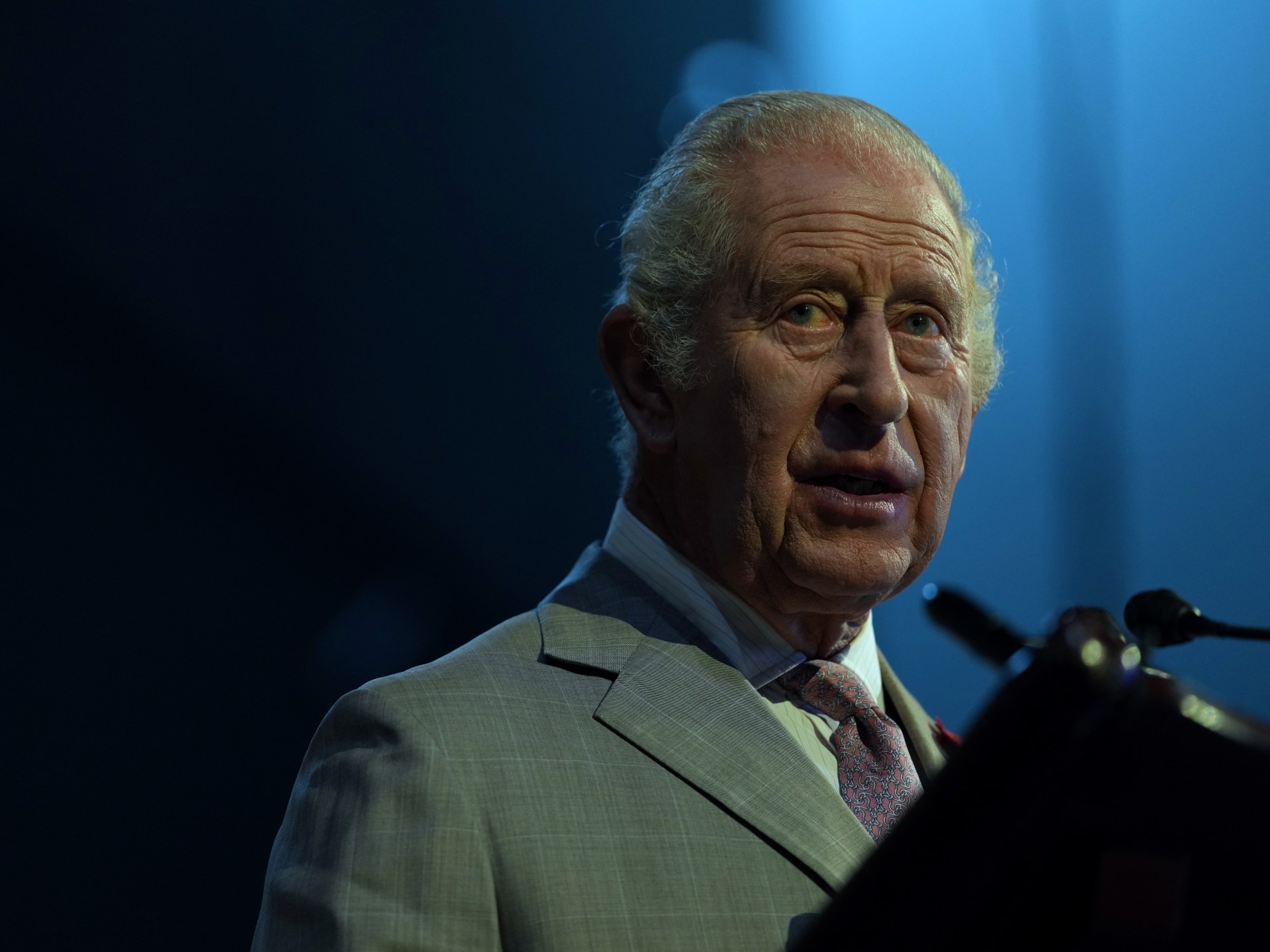
- Core Development: King Charles III addressed the Commonwealth Heads of Government Meeting in Antigua and Barbuda, expressing profound personal sorrow over the transatlantic slave trade while stopping short of a formal apology.
- Beat Context: Categorized under NHS with independent corroboration.
- Reporting Depth: 4 minute analytical read synthesized from verified newsroom sources.
King Charles III has used an address to the Commonwealth Heads of Government Meeting in Antigua and Barbuda to state that the transatlantic slave trade fills his heart with horror and his soul with the most profound personal sorrow. The British monarch addressed presidents, prime ministers, and delegates from the fifty-six member nations, acknowledging that the shameful chapter of history still casts a shadow over the Caribbean and other parts of the Commonwealth. While the speech touched upon the historical role played by institutions such as the Royal Navy in ending the international trade in enslaved people, it stopped short of offering the formal state apology that many Caribbean and African nations have pressed for, leaving a complex diplomatic landscape as leaders convene to discuss reparations, debt relief, and regional development.
The monarch’s address on Tuesday occurred against a backdrop of intense debate over historical accountability and reparatory justice. Buckingham Palace had previously indicated that the king would not issue a formal apology during his Caribbean tour, which also included visits to the Bahamas and Guyana. Explaining his perspective on historical legacy, Charles told the summit that history could not be chosen or changed, noting that inheritance includes both the achievements and failures of previous generations. He emphasized that while past actions could not be undone, lessons could be drawn from history to address ongoing wrongs through modern partnerships focused on education, job creation, trade, and climate resilience.
Media additions

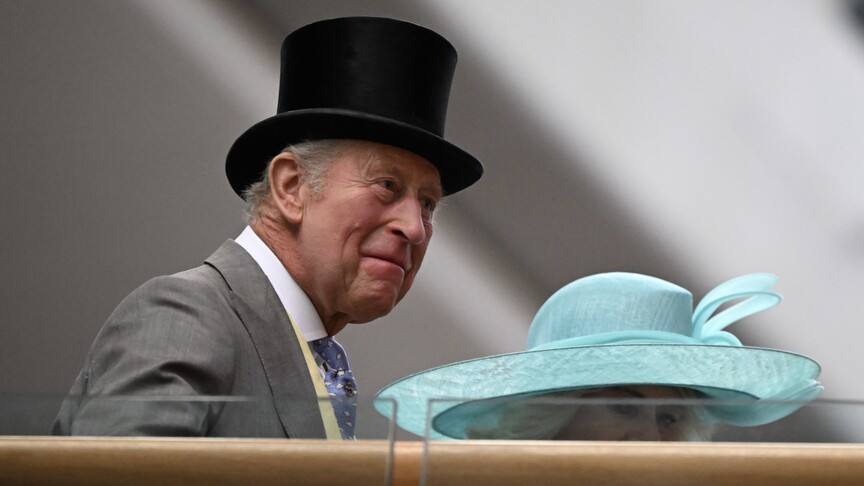

Reactions to the address were swift and sharply divided. Niambi Hall Campbell-Dean, chair of the Bahamas' National Reparations Committee, stated that carefully crafted words about healing did not go far enough and called for action equal to the scale of the harm inflicted, as reported by Yahoo News. In Guyana, protesters gathered outside the Umana Yana ahead of the royal visit, holding banners demanding reparations. Terence Campbell, an opposition member of parliament among the demonstrators, argued that no apology could return what was stolen, according to the same reporting.
The political dimensions of the summit have also highlighted a shift in tone from the British government. As detailed by Stluciachronicle, current UK Prime Minister Andy Burnham announced a departure from previous government stances by stating that the UK was open to discussing a formal apology, though he firmly ruled out financial reparations. Burnham proposed leading a debt restructuring programme to assist the Commonwealth's poorest nations, aligning with broader discussions on development finance. This approach follows earlier tensions at the Commonwealth summit in Samoa, where leaders called for discussions on reparations despite opposition from former prime minister Keir Starmer.
Historians and commentators have pointed to the intricate balancing act facing the British monarchy and government. Alan Lester, a historian at the University of Sussex, noted that opponents of the reparations movement have successfully framed the debate around the narrow idea of writing a cheque, whereas Caribbean leaders frequently emphasize broader structural remedies such as debt relief, healthcare, education, and climate resilience. Royal commentator Afua Hagan observed that while expressing personal sorrow is a recognized gesture, a formal state apology carries significantly broader implications for international relations and legal accountability.
| Entity / Official | Stance on Apology | Stance on Financial Reparations | Proposed Alternative Measures |
|---|---|---|---|
| King Charles III | Expressed profound personal sorrow; stopped short of formal apology | Not addressed directly (constitutional neutrality) | Improving education, investing in jobs, trade, and climate resilience |
| UK Prime Minister Andy Burnham | Open to discussing a formal apology | Ruled out financial compensation | Debt restructuring and infrastructure funding |
| CARICOM & Regional Leaders | Pressing for a formal apology as an essential first step | Advocating for reparatory justice | Debt relief, development finance, healthcare, and climate resilience |
| Conservative Opposition (UK) | Opposed to a formal apology | Opposed to financial compensation | Focus on modern diplomatic partnerships without historical concessions |
The debate over the legacy of slavery intersects with wider economic pressures facing Commonwealth nations. Antigua and Barbuda Prime Minister Gaston Browne stressed that no nation should be forced to mortgage its future simply to survive its present, echoing concerns raised across the Caribbean Community about economic sovereignty and historical debt burdens. As Al Jazeera reported, leaders from across the 56 member nations are continuing their deliberations on how to address these enduring inequalities.
What happens next depends heavily on the ongoing bilateral talks between British officials and regional leaders during the remainder of the summit. While the UK government explores structured dialogues regarding an apology and debt restructuring packages, Caribbean nations and national reparations committees are expected to maintain pressure for tangible developmental commitments. Observers will be watching whether the discussions in Antigua yield formal mechanisms for reparatory justice or if the divergence between personal expressions of sorrow and institutional demands for compensation remains unresolved.
How significant is this development?
Contribute your assessment to the aggregated reader sentiment ledger.
Frequently Asked Questions
Key questions answered in this reportWhat is the key development in: UK’s King Charles expresses ‘sorrow’ in Antigua over slave trade?
King Charles III addressed the Commonwealth Heads of Government Meeting in Antigua and Barbuda, expressing profound personal sorrow over the transatlantic slave trade while stopping short of a formal apology.
Why is this NHS development significant for the UK?
This report covers critical events in our NHS beat. Independent reporting monitors related UK statements, regulatory shifts, and public responses as further verified details emerge.
How was this reporting corroborated and verified?
Newsarchy UK compiles and cross-references reporting from primary reporting from northerndailyleader.com.au and cross-checked wire reports. All coverage adheres to published editorial standards.
When was this report published?
This briefing was published on November 3, 2026 and is permanently cataloged in the Newsarchy UK NHS archives.