NHS delivers one million extra scans with new machines and AI rollout
Driven by new machinery and artificial intelligence rollouts, the NHS has successfully delivered one million additional scans across England.

- Core Development: Driven by new machinery and artificial intelligence rollouts, the NHS has successfully delivered one million additional scans across England.
- Beat Context: Categorized under NHS with independent corroboration.
- Reporting Depth: 5 minute analytical read synthesized from verified newsroom sources.
The NHS has delivered an additional one million scans across England, driven by a nationwide expansion of advanced scanning machinery and the accelerated deployment of artificial intelligence. Published figures reveal that the capacity of computed tomography (CT) and magnetic resonance imaging (MRI) has risen significantly, helping clinicians catch conditions such as cancer much earlier while easing historical bottlenecks across hospitals and community sites.
According to Chronicle Live, data published by NHS England on Tuesday, November 3, 2026, shows that the number of CT and MRI machines in the health service increased by 125 between March 2024 and March 2026. This hardware injection supports a broader effort to shift medical pathways from analogue to digital. Every month in 2026 has set a new record for diagnostic activity, contributing to a reduction in the overall elective care waiting list by more than 250,000 patients since July 2024.
Media additions


The infrastructure growth is heavily anchored in community settings. Out of the 125 new machines, 107 have been placed within Community Diagnostic Centres (CDCs). These facilities have conducted over 2.3 million CT and MRI scans over a twelve-month period, marking an increase of nearly one million scans compared to the preceding year. A prime example opened on Thursday, October 29, 2026, with the launch of the Manchester and Trafford CDC, designed to offer local populations rapid, convenient access without requiring hospital visits.
Alongside hardware additions, software advancements have transformed scanning efficiency. As reported by Gov, the government has invested nearly £30 million in artificial intelligence technologies to modernise diagnostic pathways. AI acceleration software is now active in more than half of compatible NHS MRI scanners, allowing hospitals to perform approximately 14% more scans per day while preserving strict image quality standards. The software reduces the data volume needed to construct high-definition scans, shortening procedure durations.
Furthermore, AI-powered chest X-ray tools acting as a virtual second pair of eyes are slated for deployment across every NHS trust by 2029, backed by £20 million of ring-fenced government funding. Currently operational in about half of England's trusts, these systems have already assisted more than four million patients in receiving faster diagnostic outcomes or all-clears for lung cancer. Early operational metrics show that the algorithms help clinicians analyse scans in an average of four days, down from eight days for complex cases.
The clinical impact of these innovations is particularly visible within respiratory care. Figures highlighted by Open Access Government and National Health Executive show that the national screening initiative — formally renamed the NHS Lung Cancer Screening Programme — has identified 10,678 lung cancers since its inception in 2019. Over three-quarters of these cases were detected at stage one or stage two, when treatment options are most successful. Patients diagnosed at the earliest stage are nearly 13 times more likely to survive for five years compared to those diagnosed after the disease has progressed.
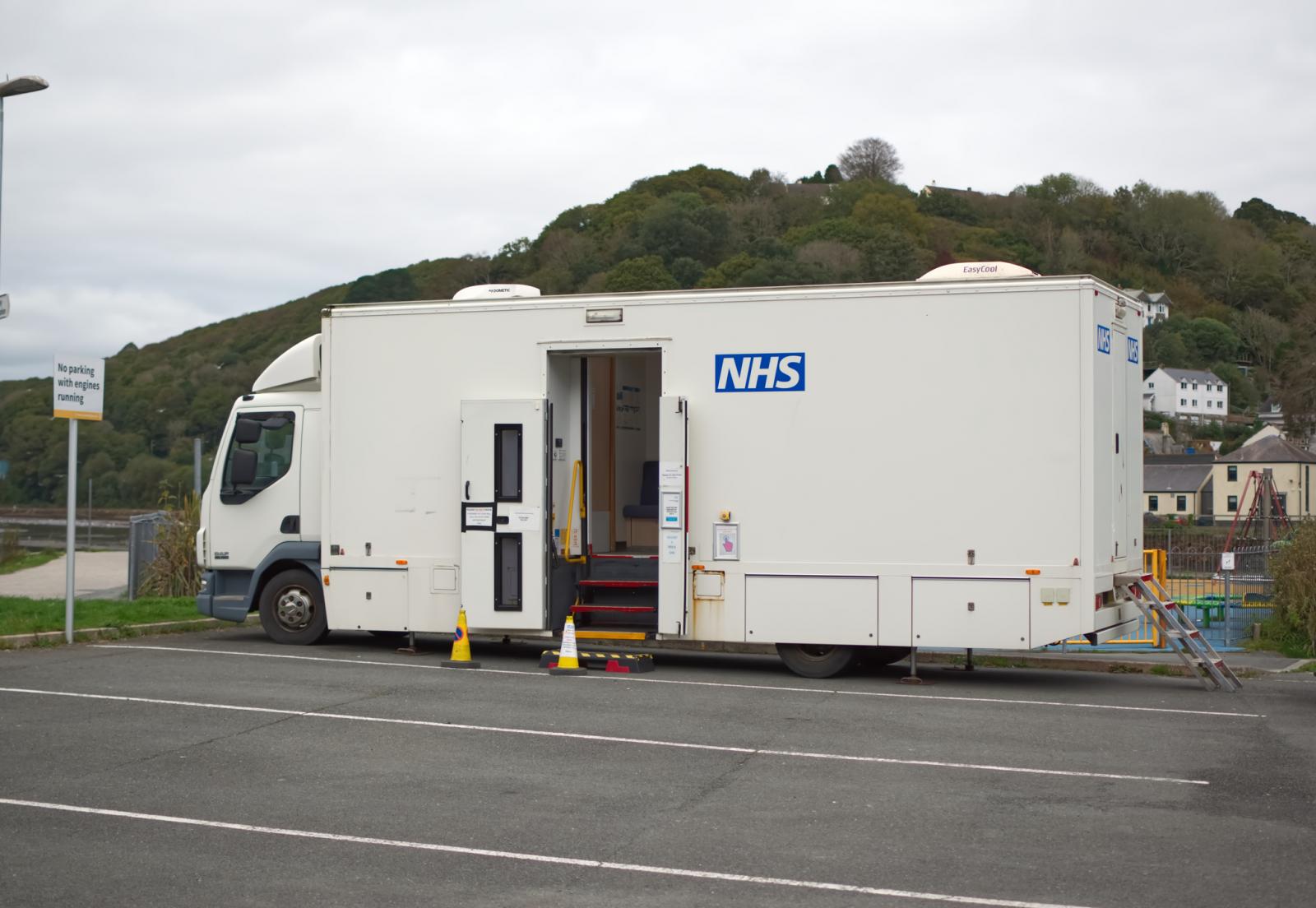
The screening initiative deploys mobile scanning trucks to accessible locations such as supermarket car parks and high streets, targeting individuals aged 55 to 74 who are current or former smokers. Risk stratification uses prediction models incorporating age, sex, ethnicity, smoking history, and body mass index. Over 3.3 million invitations have been issued, resulting in more than 800,000 low-dose CT scans. Health officials note that the programme has successfully reached roughly half of England's most at-risk population while narrowing health inequalities, with more than a third of lung cancers in the most deprived areas caught early.
Innovations do not stop at conventional CT and MRI upgrades. As detailed by the BBC, the NHS is participating in trials of the Galleri blood test, a Grail-manufactured assay capable of detecting circulating tumour DNA across more than 50 cancer types. North American trial data demonstrated that the test identified numerous cancers lacking standard screening protocols, such as pancreatic, ovarian, and stomach malignancies, and correctly pinpointed the primary tissue origin in nine out of ten cases. A larger trial involving 140,000 NHS patients in England is set to report findings next year, which will inform whether the test is rolled out to a further one million people.
| Diagnostic Initiative / Technology | Deployment Scope & Target | Key Clinical Outcome |
|---|---|---|
| New CT & MRI Machines | 125 units added to hospitals and CDCs across England (March 2024–March 2026). | Delivered an extra one million scans annually and reduced elective waiting lists. |
| MRI AI Acceleration | Installed in 54% of compatible NHS MRI scanners. | Increases daily scanning capacity by 14% while maintaining image quality. |
| AI Chest X-Ray Tools | Active in half of trusts; full rollout to all NHS trusts by 2029. | Reduces average analysis time from eight days to four days for complex cases. |
| NHS Lung Cancer Screening | Mobile units targeting ages 55–74; expanding to 6 million invitations by 2030. | Identified over 10,600 lung cancers, with over 75% caught at stage one or two. |
Despite widespread enthusiasm from clinical leaders, professional bodies maintain that technological gains must be balanced with workforce support. Dr Stephen Harden, President of the Royal College of Radiologists, noted that while AI and modern hardware are vital for managing rising diagnostic demand, clinician-led implementation remains paramount to ensure radiologists stay central to clinical decisions.
What to Watch Next
- 2026–2027: Publication of final results from the major 140,000-patient NHS trial of the Galleri multi-cancer blood test.
- 2029: Completion of the nationwide rollout of AI chest X-ray tools and compatible MRI upgrades across every NHS trust in England.
- 2030: Target for the NHS Lung Cancer Screening Programme to issue over 6 million invitations, aiming to diagnose up to 50,000 cumulative cases.
The Department of Health and Social Care and NHS England are monitoring several key milestones over the coming years:
As these programmes scale up alongside ongoing infrastructure investments, health leaders anticipate that earlier diagnoses will fundamentally alter cancer survival rates across the country.
How significant is this development?
Contribute your assessment to the aggregated reader sentiment ledger.
Frequently Asked Questions
Key questions answered in this reportWhat is the key development in: NHS delivers one million extra scans with new machines and AI rollout?
Driven by new machinery and artificial intelligence rollouts, the NHS has successfully delivered one million additional scans across England.
Why is this NHS development significant for the UK?
This report covers critical events in our NHS beat. Independent reporting monitors related UK statements, regulatory shifts, and public responses as further verified details emerge.
How was this reporting corroborated and verified?
Newsarchy UK compiles and cross-references reporting from primary reporting from GOV.UK and cross-checked wire reports. All coverage adheres to published editorial standards.
When was this report published?
This briefing was published on November 3, 2026 and is permanently cataloged in the Newsarchy UK NHS archives.