Pet Food Label Checker for Dog & Cat Food · Apify
Navigate complex pet food labels and marketing claims by understanding official naming rules, regulatory oversight, and automated ingredient check tools.

- Core Development: Navigate complex pet food labels and marketing claims by understanding official naming rules, regulatory oversight, and automated ingredient check tools.
- Beat Context: Categorized under NHS with independent corroboration.
- Reporting Depth: 4 minute analytical read synthesized from verified newsroom sources.
Navigating the pet food aisle has grown increasingly complex for owners of dogs and cats as concerns mount over misleading labeling, regulatory loopholes, and hidden ingredient sourcing practices. A wave of new tools and resources has emerged to help pet owners decipher ingredient panels, understand regulatory standards, and separate marketing buzzwords from genuine nutritional quality. Understanding how pet food is named and regulated is essential for anyone purchasing kibble, canned formulas, or fresh meals.
Pet food labeling is governed by a strict hierarchy of naming rules established by the Association of American Feed Control Officials (AAFCO) and described by federal authorities, according to detailed guidance. The most stringent standard is the 95% rule, which applies when an ingredient forms the core of a product name such as "Beef Dog Food." Under these guidelines, the named meat must comprise at least 95 percent of the product by weight — excluding added water — and at least 70 percent of the total product once water is factored in. Water plays a significant processing role, particularly in canned and high-moisture foods, making the dual-percentage calculation necessary to prevent consumer confusion.
Media additions

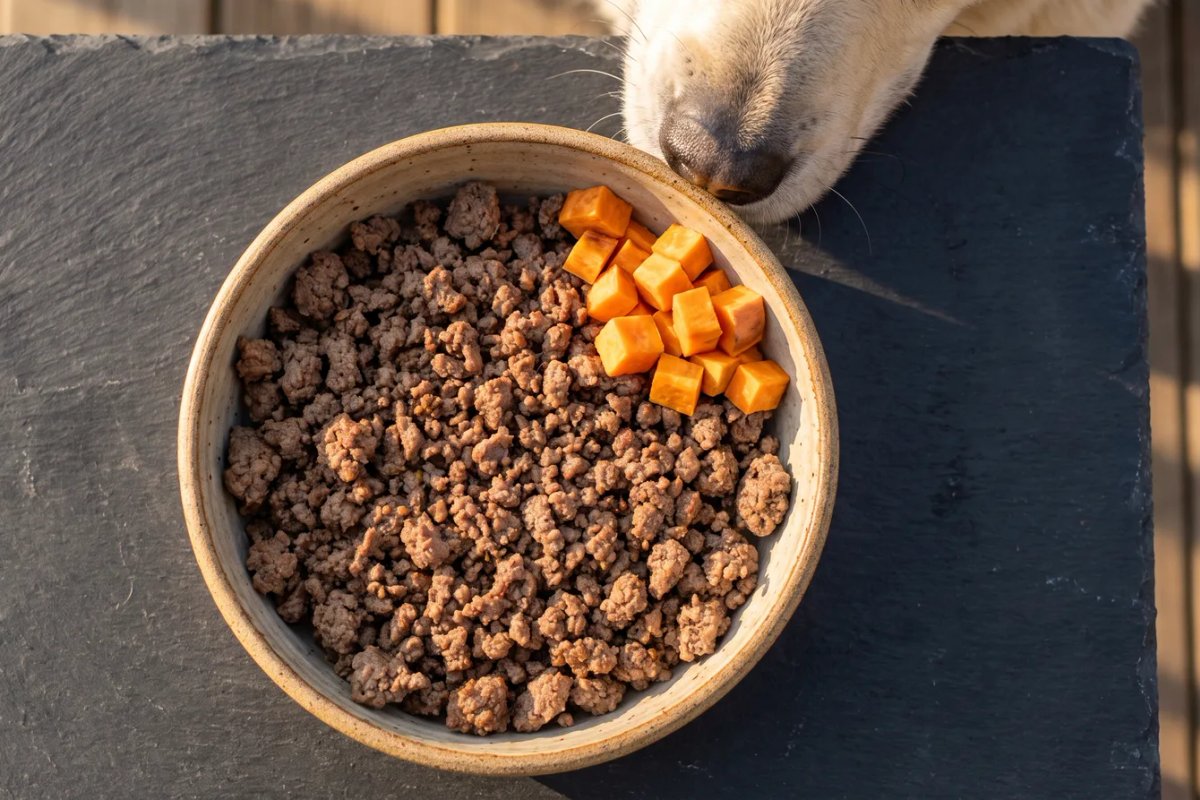

Small linguistic shifts on packaging drastically alter these legal thresholds. Introducing descriptor words drops the required content significantly. According to pet food naming breakdowns, the 25 percent "dinner" rule covers terms like entrée, platter, or formula, requiring the named ingredient to account for at least 25 percent of the product excluding water and 10 percent of the total batch. Meanwhile, the 3 percent "with" rule, often printed in smaller type on packages such as "Dog Food with Beef", requires only a 3 percent inclusion rate for the specified ingredient. At the bottom of the hierarchy sits the flavor rule, which mandates no specific minimum percentage of the named meat, requiring only a detectable flavor source listed in the ingredients.
| Naming Rule | Trigger Words | Minimum % (Excluding Added Water) | Minimum % (Including Water) |
|---|---|---|---|
| 95% Rule | "Beef Dog Food", "Chicken and Rice" | 95% | 70% |
| 25% Rule | "Dinner", "Entrée", "Platter", "Formula" | 25% | 10% |
| 3% Rule | "With [Ingredient]" | 3% | 3% |
| Flavor Rule | "[Ingredient] Flavor" | None (Detectability required) | None |
Regulatory enforcement relies on multiple layers of oversight. The FDA regulates animal food under federal law to ensure safety and truthful labeling, though consumer advocates note that federal enforcement discretion allows certain practices regarding feed-grade materials that would not be permitted in human food (Truth about Pet Food). Independent safety advocates review dozens of manufacturers annually to audit ingredient quality and supply chain standards, publishing trusted guides for consumers seeking verification beyond standard marketing claims.
For pet owners looking to evaluate specific products independently, automated validation tools like the Pet Food Label Checker for Dog & Cat Food · Apify cross-reference product names against ingredient lists using deterministic rules derived from AAFCO and federal guidance. These automated checks flag discrepancies such as grain-free products containing grains or "natural" formulations containing chemical preservatives, providing a systematic approach to label review.
Evaluating overall pet health also requires looking beyond the product name. Nutritional adequacy statements, guaranteed analysis panels detailing crude protein, fat, fiber, and moisture, and calorie counts offer a clearer picture of whether a diet suits a pet's life stage Vetstreet guidance.
Entrepreneurs entering the pet sector face a separate set of regulatory hurdles. Homemade treat businesses and private-label brands cannot rely on human food cottage food laws; instead, they must secure commercial feed licenses, register products with state departments of agriculture, and maintain rigorous batch records Advanton report.
Pet owners can prepare for upcoming marketplace changes by consulting updated safety directories and verification lists. Annual updates to trusted pet food guides are scheduled for release, and regulatory bodies continue to review labeling standards. Shoppers should consult their veterinarians, review guaranteed analysis panels, and utilize digital label verification tools before making long-term dietary commitments for their animals.
How significant is this development?
Contribute your assessment to the aggregated reader sentiment ledger.
Frequently Asked Questions
Key questions answered in this reportWhat is the key development in: Pet Food Label Checker for Dog & Cat Food · Apify?
Navigate complex pet food labels and marketing claims by understanding official naming rules, regulatory oversight, and automated ingredient check tools.
Why is this NHS development significant for the UK?
This report covers critical events in our NHS beat. Independent reporting monitors related UK statements, regulatory shifts, and public responses as further verified details emerge.
How was this reporting corroborated and verified?
Newsarchy UK compiles and cross-references reporting from primary reporting from esko.com and cross-checked wire reports. All coverage adheres to published editorial standards.
When was this report published?
This briefing was published on November 8, 2026 and is permanently cataloged in the Newsarchy UK NHS archives.


