Houthis Run Email Clearance System for Ships Crossing the Red Sea
Yemen's Houthi rebels have established an informal email clearance system for commercial ships crossing the Red Sea, cementing control over maritime corridors.

- Core Development: Yemen's Houthi rebels have established an informal email clearance system for commercial ships crossing the Red Sea, cementing control over maritime corridors.
- Beat Context: Categorized under World with independent corroboration.
- Reporting Depth: 3 minute analytical read synthesized from verified newsroom sources.
Yemen's Houthi rebels have established an informal email clearance system for commercial ships wishing to traverse the Red Sea, cementing de facto control over vital maritime corridors and forcing international operators into unprecedented administrative engagement with an armed group.
According to reporting from International Business Times, vessel captains have used the administrative channel to clarify their lack of connection to Western or allied states, thereby reducing their perceived risk of interception. The system operates through the Humanitarian Operations Coordination Center (HOCC), an administrative entity set up by the Houthis in early 2024 to communicate maritime restrictions to the shipping industry. As detailed by Clash Report, requests are submitted to a designated email inbox under a specific subject line, describing the service as free and optional for vessels outside the scope of current bans.
Media additions
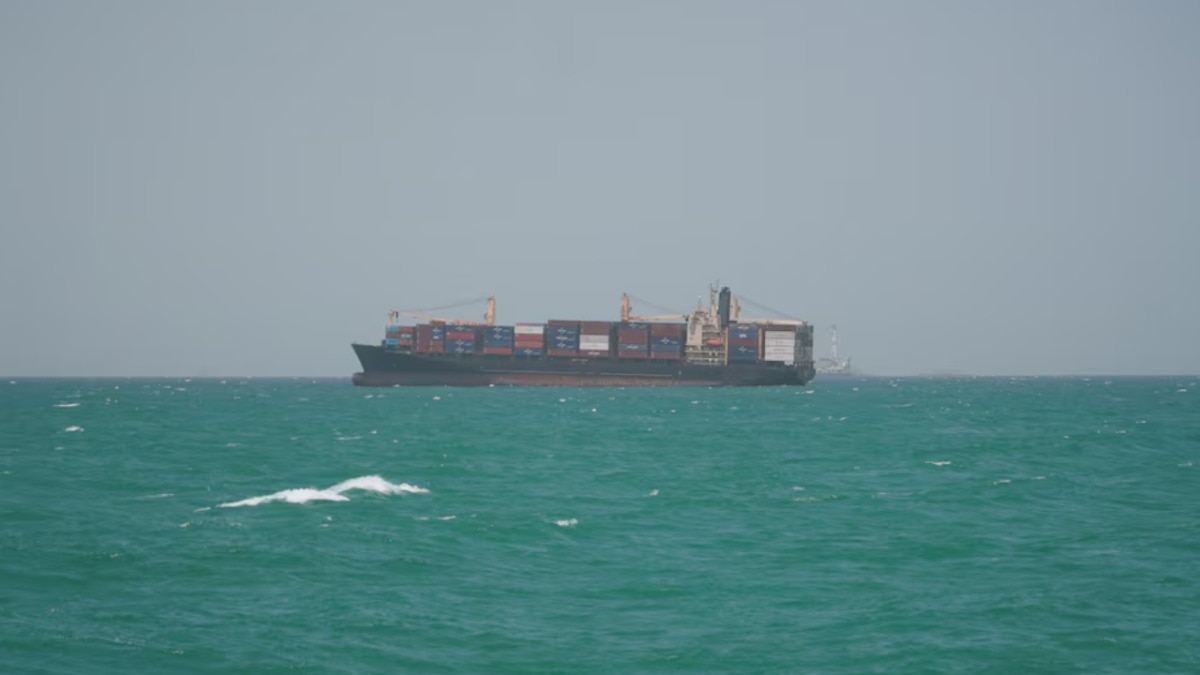

The operational framework requires operators to apply upon departure from loading ports and ahead of entering Yemeni territorial waters. The monitored zone spans the Red Sea, Bab al-Mandab, the Gulf of Aden, and the Arabian Sea. Approved vessels receive transit windows alongside navigation directives, which include keeping automatic identification systems and marine radios switched on, listing correct destinations, and maintaining clear passage away from military vessels or unmonitored craft.
| Operational Parameter | Houthi HOCC Guidelines | Official Western/Industry Advice |
|---|---|---|
| Communications | Email vessel details to designated Houthi inbox | Ignore emails and VHF calls; do not engage |
| Processing Time | Typically within 24 hours (or a few hours) | N/A — system lacks recognized legal authority |
| Transit Window | Seven-day transit permission granted | Avoid the Red Sea or route around Africa |
| Navigation Rules | Keep AIS active, respond to armed forces calls | Turn off AIS in risk areas, vary transit routes |
The necessity for such measures stems from intense regional volatility. According to PBS NewsHour, the Houthis declared a blockade targeting Saudi-linked shipping in retaliation for what the group described as a long-running blockade on Yemen and attacks on the capital's airport. This new embargo places additional pressure on the Bab el-Mandeb Strait, a vital chokepoint where a significant share of global container traffic normally passes between Europe and Asia. With disruptions limiting shipping through the Persian Gulf, the Red Sea corridor has grown even more critical for petroleum transport.
Industry adaptation to the conflict has taken varied forms. Some cargo operators have coordinated ship-by-ship with the rebel administration, while others have employed masking tactics or declared armed guards on board. However, maritime advisories from the United States urge flagged vessels to disregard Houthi correspondence, switch off tracking beacons within danger zones, and consider private security instead. Arran Kennedy of Control Risks told Lloyd's List, as cited in the Clash Report coverage, that the FAQs offer cold comfort to crews facing attacks, dismissing the system as an attempt to legitimize maritime assaults.
The geopolitical ramifications extend far beyond commercial logistics. Analysts emphasize that the unfolding crisis threatens to widen conflicts across the Middle East, offering Iran additional leverage through proxy control of maritime choke points. Major military actors have signaled readiness to intervene if threats escalate further, while regional governments work to maintain open sea lanes.
As diplomatic channels remain strained, shipping operators continue to weigh the steep financial costs of routing around the Cape of Good Hope against the security risks of transiting the Red Sea. Observers will monitor whether international naval coalitions can deter enforcement of the Houthi blockade or if maritime commerce will increasingly adapt to the shadow clearance system.
How significant is this development?
Contribute your assessment to the aggregated reader sentiment ledger.
Frequently Asked Questions
Key questions answered in this reportWhat is the key development in: Houthis Run Email Clearance System for Ships Crossing the Red Sea?
Yemen's Houthi rebels have established an informal email clearance system for commercial ships crossing the Red Sea, cementing control over maritime corridors.
Why is this World development significant for the UK?
This report covers critical events in our World beat. Independent reporting monitors related UK statements, regulatory shifts, and public responses as further verified details emerge.
How was this reporting corroborated and verified?
Newsarchy UK compiles and cross-references reporting from primary reporting from PBS and cross-checked wire reports. All coverage adheres to published editorial standards.
When was this report published?
This briefing was published on November 8, 2026 and is permanently cataloged in the Newsarchy UK World archives.