Peter Max, psychedelic pop artist who epitomised ‘flower power’ movement dies at 88
Peter Max, the vibrant pop artist whose kaleidoscopic designs defined the 1960s flower power movement, has died at age 88 in a Manhattan hospital.
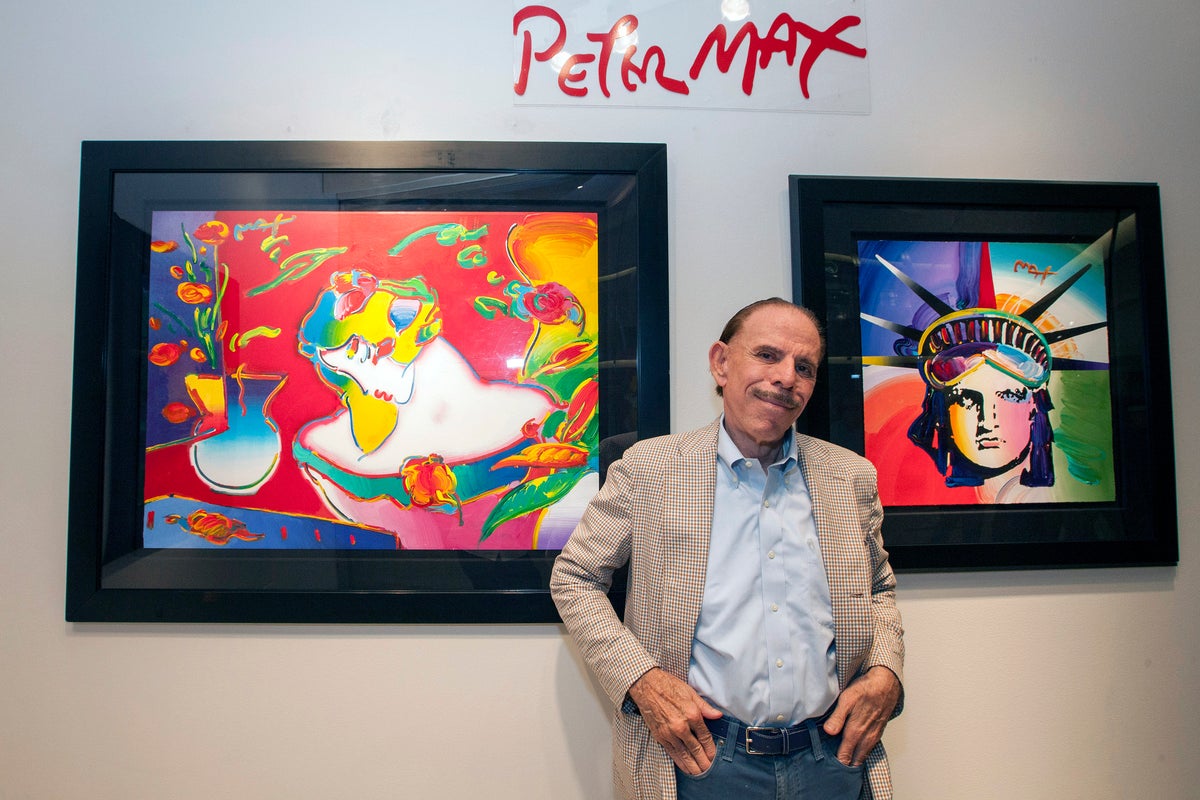
- Core Development: Peter Max, the vibrant pop artist whose kaleidoscopic designs defined the 1960s flower power movement, has died at age 88 in a Manhattan hospital.
- Beat Context: Categorized under NHS with independent corroboration.
- Reporting Depth: 3 minute analytical read synthesized from verified newsroom sources.
Peter Max, the German-born American artist whose vibrant and kaleidoscopic pop art came to define the visual vocabulary of the 1960s counterculture and the flower power movement, has died at the age of 88, according to reports. Max passed away on Monday at a Manhattan hospital. While no official cause of death was stated in the initial family announcements, coverage from multiple outlets indicates that he had been suffering from advanced dementia related to Alzheimer's disease.
Born Peter Max Finkelstein in Berlin in 1937, the artist and his Jewish family fled Nazi Germany during his infancy. They found refuge in Shanghai before travelling through Tibet, Israel, and Paris, ultimately settling in New York when Max was 16. By that time, he had already cultivated a deep fascination with American culture, soaking up jazz music, cinema, and comic books. He later studied at New York institutions including the Art Students League, the School of Visual Arts, and Pratt Institute.
Media additions


In the 1960s, Max co-founded a graphic design studio that quickly gained traction with advertising agencies and corporate clients. His signature poster art, characterised by cosmic motifs, smiling cartoonish figures, and neon palettes of turquoise, orange, and green, flooded college dorm rooms and mainstream households alike.
Max's prolific output spanned dozens of commercial ventures and product lines, earning him both immense wealth and a complex relationship with the fine art establishment. Elizabeth Currid-Halkett, author of The Warhol Economy: How Fashion, Art and Music Drive New York City
, noted that his broad accessibility probably has taken away from his position amongst the art world cognoscenti, but that quality, in and of itself, shouldn't be the detractor from his position as a serious artist.
Despite his widespread success, Max encountered serious personal and professional turbulence. In 1997, he pleaded guilty to tax fraud after federal authorities alleged he concealed income from his art. Rather than serving a standard prison term, he was permitted to complete a work-release program, pay back taxes along with a $30,000 fine, and fulfill 800 hours of community service teaching art in Harlem schools. Later in life, his family life drew intense media scrutiny during public legal battles between his son, Adam Max, and his second wife, Mary Max, regarding his care and finances. Mary Max died by suicide in 2019, shortly after investigative reporting highlighted concerns over studio production practices during his declining health.
Max was also frequently linked to the visual world of the Beatles, though certain attributions remain a point of historical clarification. While his vibrant aesthetic was widely reported to have heavily influenced the 1968 animated film Yellow Submarine
and Max claimed in interviews to have contributed early designs, official credit for the album cover and film art rests with the late German illustrator Heinz Edelmann, with galleries describing Max's involvement as preliminary consulting work.
His son, Adam Max, announced his passing in a statement shared across major outlets:
"We will remember his extraordinary creativity, his warmth, his curiosity, and the way he saw beauty and possibility everywhere. His art became part of American culture, but the man behind that art – the father we knew and loved – is the person we will miss most."
Adam Max, Son, via Aol
Max is survived by his son Adam and his daughter Libra Astro. His first marriage, to Elizabeth Nance, ended in divorce.
How significant is this development?
Contribute your assessment to the aggregated reader sentiment ledger.
Frequently Asked Questions
Key questions answered in this reportWhat is the key development in: Peter Max, psychedelic pop artist who epitomised ‘flower power’ movement dies at 88?
Peter Max, the vibrant pop artist whose kaleidoscopic designs defined the 1960s flower power movement, has died at age 88 in a Manhattan hospital.
Why is this NHS development significant for the UK?
This report covers critical events in our NHS beat. Independent reporting monitors related UK statements, regulatory shifts, and public responses as further verified details emerge.
How was this reporting corroborated and verified?
Newsarchy UK compiles and cross-references reporting from primary reporting from artforum.com and cross-checked wire reports. All coverage adheres to published editorial standards.
When was this report published?
This briefing was published on September 18, 2026 and is permanently cataloged in the Newsarchy UK NHS archives.