Paraguayan prosecutors raid former president home in bank collapse probe
Paraguayan law enforcement raided properties belonging to ousted former president Santiago Peña as part of a criminal investigation into the collapse of Ueno Bank.

Paraguayan prosecutors have raided properties belonging to former president Santiago Peña as part of an expanding criminal investigation into the spectacular collapse of digital lender Ueno Bank, which locked nearly half the country's population out of their accounts and plunged the nation into severe financial and political turmoil.
The operation on Monday, Nov. 9, 2026, marked a historic escalation in the investigation. According to historian Herib Caballero, cited by Yahoo News, it was the first time in the nation's history that a presidential residence had been raided by law enforcement. Agents from the economic crimes unit spent nearly five hours scouring the early 20th-century building in the capital city of Asunción, seizing computers, tablets, cellphones, documents, and closed-circuit television footage, including a digital video recorder recovered from a concealed compartment inside the home.
Media additions
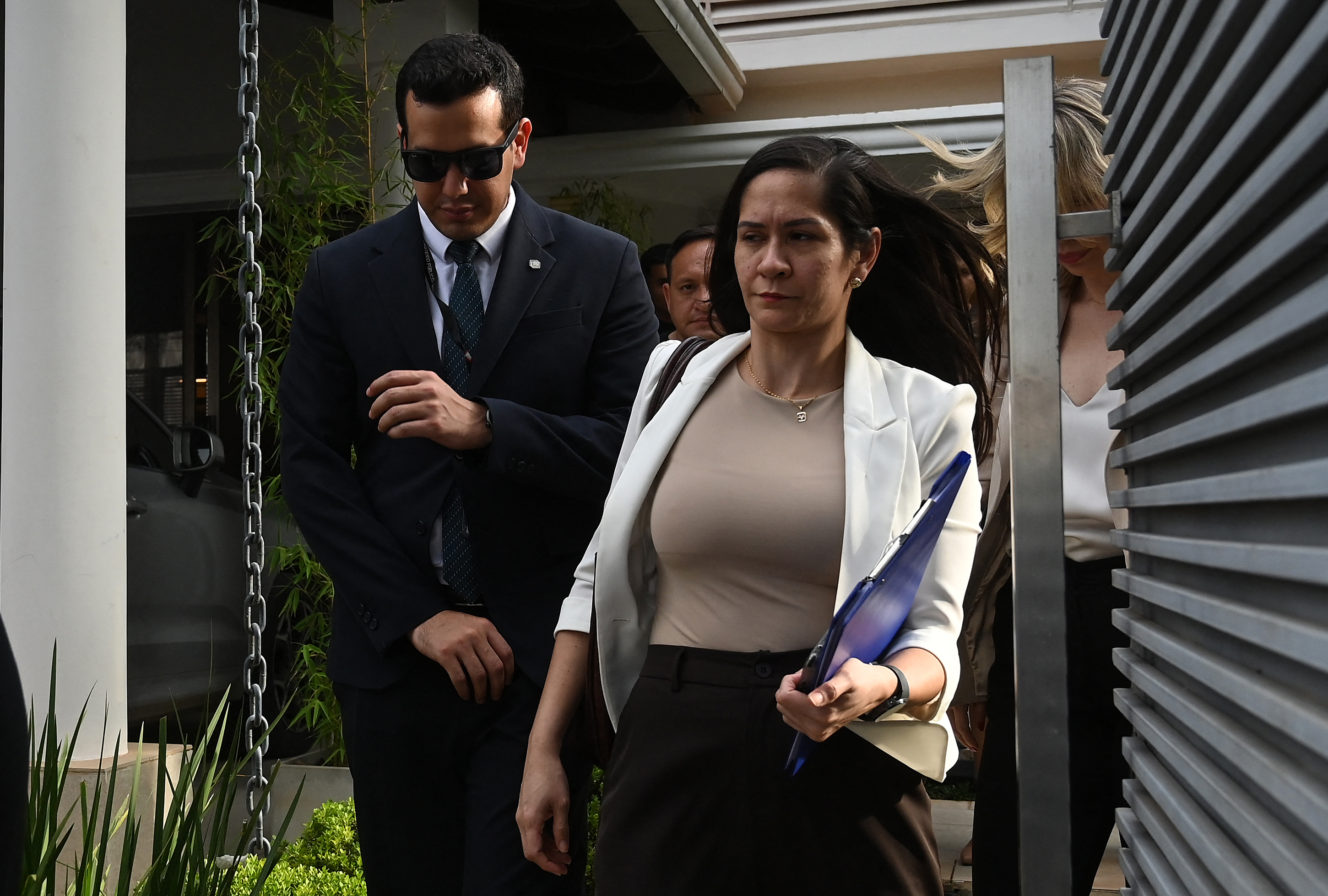

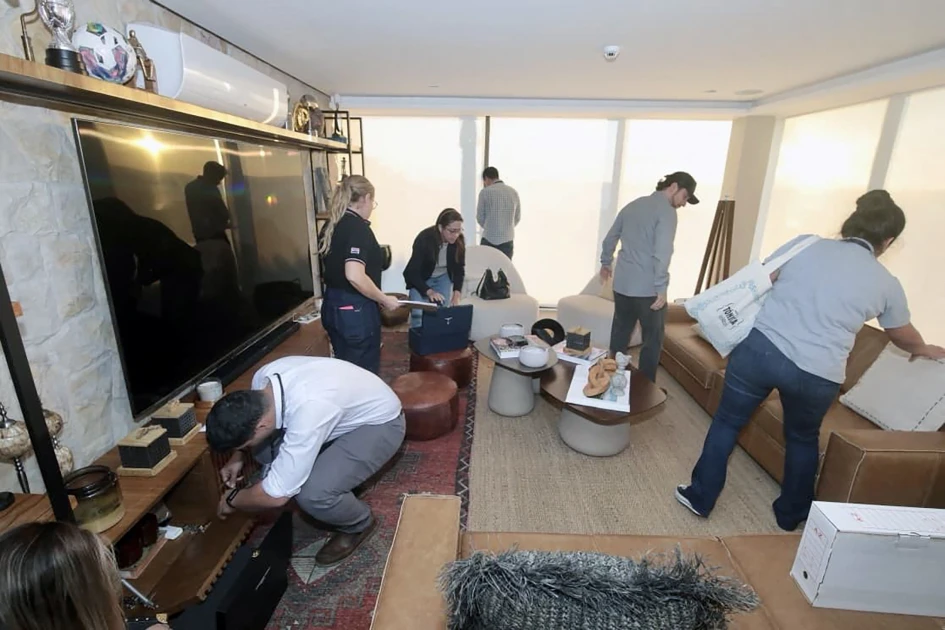
Hürriyet Daily News reported that prosecutor Elena Fiore described the Asunción search as a major breakthrough due to the vast volume of paperwork recovered. Concurrent operations also targeted a Ueno Bank branch and the home of Carlos Carvallo, who served as president of the Central Bank of Paraguay until his resignation amid the crisis on Tuesday, Nov. 3, 2026, as noted by Latin Times. Carvallo had previously headed Financiera Ueno, the bank's predecessor entity, before Peña appointed him to lead the nation's top monetary regulatory body.
The widening inquiry follows the ouster of Peña, a 47-year-old economist who took office in 2023. Paraguay's Senate voted unanimously on Friday, Nov. 6, 2026, to remove Peña from office during an impeachment trial for dereliction of duty. Following his dismissal, Peña was placed in pretrial detention at a military facility, facing charges of breach of trust and self-serving administration of assets, which carry a combined potential sentence of up to 15 years.
Prosecutors allege that Peña used his executive influence to direct millions in public funds and state pensions toward Ueno Bank despite clear warnings regarding questionable loans and solvency issues. Investigators point out that while Peña sold his shares in Ueno's holding company last year, he held an indirect ownership stake well into his administration, until March 2025. Furthermore, court filings show that in May 2024, while actively serving as president, Peña secured two simultaneous bank loans from Ueno totaling approximately $500,000 to help finance the construction of a lavish lakeside vacation home in San Bernardino, roughly 30 miles from Asunción. According to charging sheets highlighted by Citizen Digital, his monthly mortgage payments on the property were six times greater than his monthly presidential salary.
The financial fallout from Ueno's implosion has severely disrupted daily life in Paraguay, where angry citizens have taken to the streets. Hundreds of workers and teachers marched through Asunción on Monday, Nov. 9, 2026, demanding the recovery of pension funds and threatening to maintain protests until their demands are met. The lender's rapid ascent from a small fintech company to a major banking institution handling accounts for nearly half of the country's population ended abruptly when solvency concerns forced the Central Bank to step in and seize control.
| Metric / Relief Phase | Reported Figures & Estimates |
|---|---|
| Customer Reach | Up to 2.9 million customers affected in a nation of 6.1 to 6.5 million residents. |
| Initial Reimbursements (Nov. 5–6) | Roughly $160 million returned to nearly 1.2 million people via the guarantee fund. |
| Extended Reimbursements (By Nov. 9) | 1,738,804 accounts reimbursed, totaling 2.126 trillion guaraníes (approx. $340.4 million), covering 93.1% of customers. |
| Guarantee Limits | Covers up to 75 monthly minimum wages (228.3 million guaraníes); balances above $36,000 face uncertainty. |
As state authorities grapple with public uncertainty, investigators are also tracking missing funds across international borders. Prosecutors have formally requested cooperation from the United States, Argentina, and Luxembourg to freeze cryptocurrency assets and trace overseas investments tied to the former president. Meanwhile, the investigation took a bizarre turn over the weekend when authorities raided Peña's San Bernardino holiday home—subsequently transferred to Senabico, the state body for administering seized assets—and spent days attempting to breach a heavily fortified, military-grade armored vault hidden behind a false wall. When prosecutors finally opened the compartment using specialized equipment, they discovered an entirely empty interior.
Political realignment has moved rapidly in the wake of the crisis. Vice President Pedro Alliana assumed the presidency immediately following the impeachment vote on Nov. 6, 2026. Opposition lawmakers subsequently failed to gather sufficient support to launch separate impeachment proceedings against Alliana, who faces unproven allegations of involvement in Ueno's collapse. Moving to consolidate control, Alliana asked ministers and senior officials to submit their resignations on Monday, Nov. 9, 2026, stating on social media that his goal was to strengthen governmental coordination. Concurrently, the Senate unanimously approved Jorge Schreiner as the new Central Bank chief, while international allies like the United States have signaled diplomatic backing for the new administration through high-level communications.
What happens next depends heavily on upcoming legal and financial developments:
- Investigators will analyze the contents of the seized Asunción storage devices, DVRs, and computers to piece together the financial trail.
- Diplomatic channels will determine whether foreign jurisdictions in Luxembourg, Argentina, and the United States will successfully freeze and repatriate hidden assets.
- The Central Bank's resolution process will continue addressing public deposits that exceed statutory guarantee limits.
- Street demonstrations by unions and pensioners are expected to persist as citizens demand full accountability for lost retirement contributions.