Conservatives unveil 36 billion pound welfare cut proposals
Conservative leader Kemi Badenoch has unveiled a 36 billion pound welfare reduction strategy, targeting sickness benefits and foreign nationals.

The Conservatives have unveiled comprehensive proposals to reduce public spending through sweeping benefit restrictions, igniting fierce debate over the future of the nation's welfare state on Tuesday, 10 November 2026.
Party leader Kemi Badenoch released the detailed strategy following an initial outline at last month's party conference. According to The Independent, the opposition party aims to strip £36 billion from the annual benefits budget. Mrs Badenoch argued that the current welfare expenditure exceeds the entire gross domestic product of Ukraine, asserting that the financial burden is crushing the economy and trapping vulnerable individuals in cycles of dependency.
Media additions
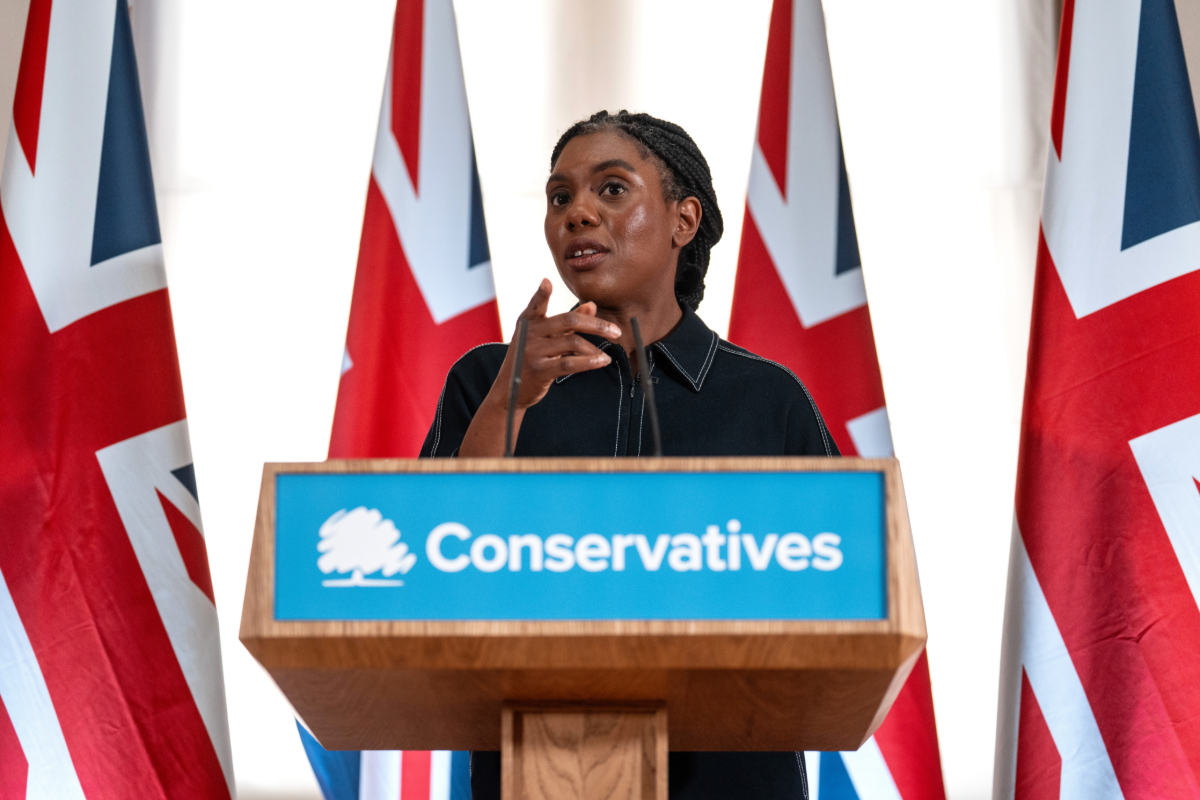


The City AM report notes that the party published a fifty-page document outlining how these savings will be achieved across multiple sectors of social security. Reforming sickness and disability benefits forms the largest single component of the savings package, projected to reduce expenditures significantly.
| Proposed Welfare Reform Measure | Projected Annual Savings (£ Billion) |
|---|---|
| Reforming sickness and disability allowances (including ending payments for routine back/joint issues and mild mental health conditions) | £13.7bn |
| Withdrawing welfare access for foreign nationals lacking EU settled status | £9.5bn |
| Reimposing the two-child benefit cap | £3.1bn |
| Replacing direct cash transfers with non-monetary support under child disability living allowance for mild learning and behavioural difficulties | £2.8bn |
| Addressing welfare fraud and administrative errors | £1.0bn |
Defending the policy shift during her speech, Mrs Badenoch insisted that individuals facing physical or mental health hurdles remain capable of employment. She stated that millions contribute despite serious challenges, pointing out that double amputees run marathons and people with autism manage major global technology firms. She warned that telling a young person their ADHD makes them defective is more destructive than the condition itself, adding that Conservatives believe in evaluating people based on their capabilities rather than limitations.
The proposals immediately drew condemnation from anti-poverty campaigners and government officials. According to The Mirror, Child Poverty Action Group representative Sara Ogilvie warned that the measures would drag the UK back to the dark ages and cause child poverty to spike overnight. Official estimates cited in the coverage indicate that scrapping the two-child benefit limit previously lifted hundreds of thousands of children out of poverty.
A Labour Party spokesperson criticized the opposition's record, stating that the Conservatives allowed the welfare bill to soar during their time in government. Labour argued that the proposed cuts represent a charter for homelessness and human misery that would ultimately cost the state more in emergency support. The government maintains it is addressing economic inactivity through personalized employment support, the Youth Guarantee, and upcoming evaluations.
The debate unfolds against a backdrop of rising national expenditures. The Office for Budget Responsibility forecasts that the welfare bill will reach £431 billion by the 2031-32 financial year, driven largely by health-related and pensioner benefits.
What to Watch Next
- Independent reviews into disability benefits led by Sir Stephen Timms are expected to report their findings in the coming weeks.
- Alan Milburn's parallel review focused on engaging the percentage of young people not in employment, education, or training is also scheduled to publish recommendations soon.
- The Labour government anticipates releasing a white paper on broader welfare reform early next year.