Virginia and other states launch early voting for 2026 midterms
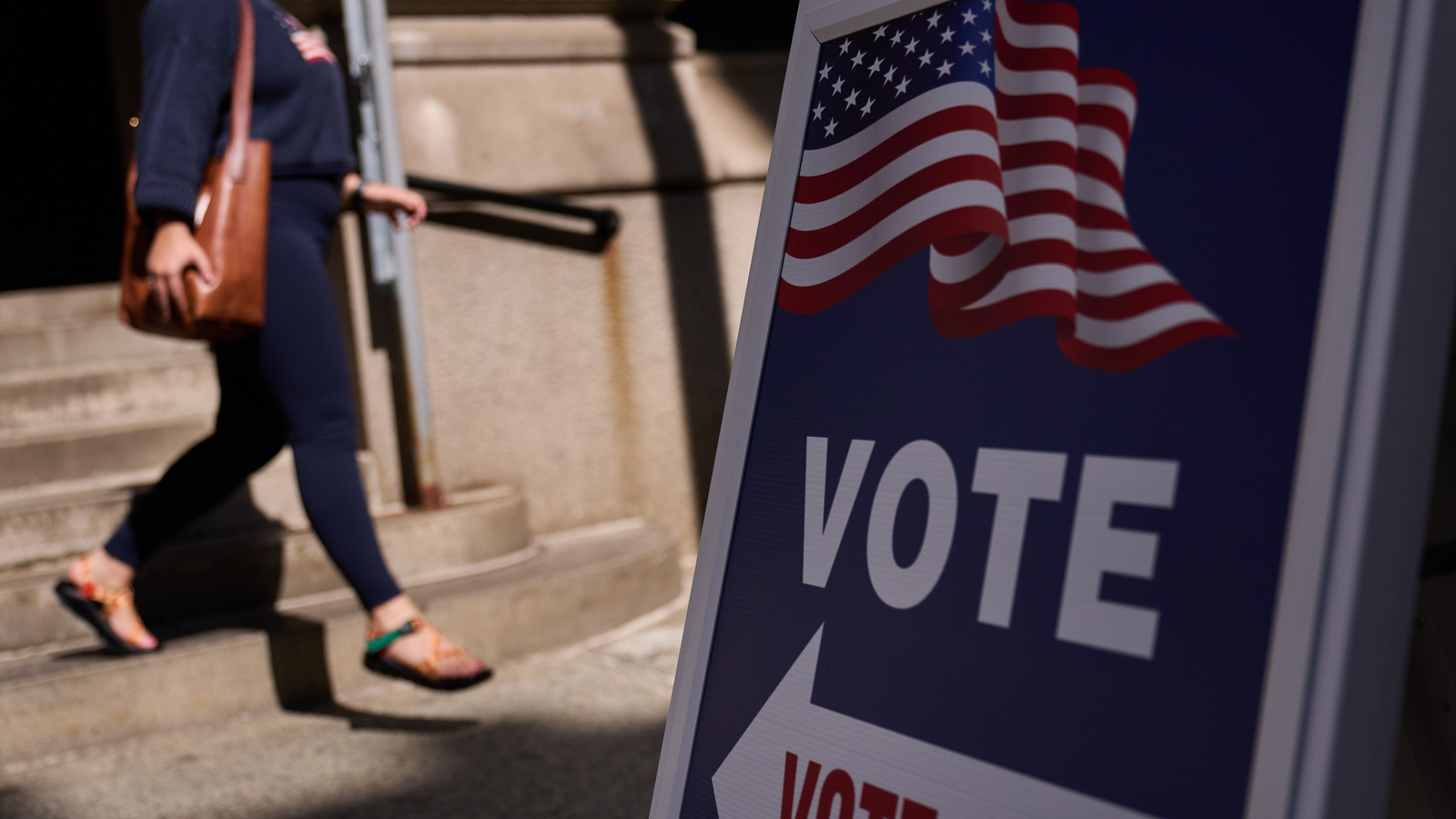
In-person early voting and absentee casting have officially begun across multiple states for the 2026 congressional midterms, kicking off a high-stakes battle for control of the legislature.

- Core Development: In-person early voting and absentee casting have officially begun across multiple states for the 2026 congressional midterms, kicking off a high-stakes battle for control of the legislature.
- Beat Context: Categorized under NHS with independent corroboration.
- Reporting Depth: 4 minute analytical read synthesized from verified newsroom sources.
In-person voting for the congressional midterms officially commenced on Friday, September 18, 2026, marking the beginning of a decisive six-week sprint for control of the United States legislature. According to ABC7 Chicago, the nationwide balloting comes as voters grapple with a cost-of-living crisis, a prolonged war in Iran, and anxieties surrounding artificial intelligence and immigration enforcement. The outcome of the November 3 election will determine whether Republicans retain their majorities in the House and Senate or if Democrats succeed in flipping Congress, a shift that would profoundly alter the final two years of President Donald Trump's term through renewed oversight and investigations.
The staggered rollout of early voting varies significantly by jurisdiction. As reported by سانا, Virginia launched direct in-person early voting on Friday, September 18, 2026, while voters in states such as Idaho, Minnesota, and South Dakota began casting absentee ballots in person at local election offices or voting centers. North Carolina initiated mail-in ballot distribution earlier in the month, and broader early voting windows are scheduled to open across additional states over the coming weeks.
Media additions


The compressed electoral calendar unfolds against a backdrop of intense partisan and legal struggles over election rules. The Trump administration has pursued court challenges, efforts to mine state voter lists for noncitizens, and demands for sensitive voter data, even though the U.S. Constitution leaves election administration primarily to the states and Congress. In a legal setback for the executive branch, the U.S. Supreme Court rejected a bid to restrict mail ballots, allowing existing vote-by-mail systems to stand. Research consistently shows that noncitizen voting remains exceptionally rare, despite recurring federal claims.
Concerns over postal operations have also prompted advocacy groups to advise early action. Hannah Fried, co-founder and CEO of the voting rights group All Voting Is Local, noted via Bozeman Daily Chronicle that early voting eases lines on election day and can accelerate results. Meanwhile, local election officials have sought to project calm amid public skepticism. In a press briefing, Minnesota Secretary of State Steve Simon urged voters to ignore unverified claims regarding election integrity, affirming that voting operations remain secure and reliable.
Compounding the electoral tension is an unprecedented wave of mid-decade congressional redistricting. Sparked initially by Texas and subsequently mirrored in California and other states, the map redrawing means research indicates that one in ten Americans resides in a different congressional district this fall compared to two years prior. These structural changes follow a Supreme Court ruling that weakened federal Voting Rights Act protections against racially discriminatory maps.
Alongside the national struggle for congressional control, state-level races are drawing heavy scrutiny. According to Ms, recent polling in Michigan's U.S. Senate race shows Democratic nominee Abdul El-Sayed narrowly leading Republican former Representative Mike Rogers. In Texas, polling surveys indicate competitive margins in both the U.S. Senate race between Democratic state Representative James Talarico and Republican state Attorney General Ken Paxton, and the gubernatorial contest between incumbent Republican Governor Greg Abbott and Democratic state Representative Gina Hinojosa.
| State / Race | Leading Candidate / Party | Polling / Context Snapshot |
|---|---|---|
| Michigan U.S. Senate | Abdul El-Sayed (Democrat) | Narrowly leads Mike Rogers (Republican) according to Washington Post/Schar School survey data. |
| Texas U.S. Senate | James Talarico (Democrat) | Leads Ken Paxton (Republican) across recent Mason/Dixon and Siena University polling. |
| Texas Gubernatorial | Mixed / Disputed | Mason/Dixon shows Greg Abbott (Republican) ahead, while Siena University indicates Gina Hinojosa (Democrat) ahead. |
| North Carolina U.S. Senate | Roy Cooper (Democrat) | Leads Michael Whatley (Republican) in Carolina Journal/Harper Polling data. |
As early voting gathers momentum, international observers and domestic administrators alike are tracking how administrative hurdles and local disputes will influence turnout.
What happens next depends on the expansion of early voting windows across remaining states. With Election Day locked in for November 3, 2026, election supervisors will monitor mail-in return rates and postal postmark timeliness, while legal teams remain on standby for ongoing challenges regarding voter rolls and district boundaries.
How significant is this development?
Contribute your assessment to the aggregated reader sentiment ledger.
Frequently Asked Questions
Key questions answered in this reportWhat is the key development in: Virginia and other states launch early voting for 2026 midterms?
In-person early voting and absentee casting have officially begun across multiple states for the 2026 congressional midterms, kicking off a high-stakes battle for control of the legislature.
Why is this NHS development significant for the UK?
This report covers critical events in our NHS beat. Independent reporting monitors related UK statements, regulatory shifts, and public responses as further verified details emerge.
How was this reporting corroborated and verified?
Newsarchy UK compiles and cross-references reporting from primary reporting from ABC7 Chicago and cross-checked wire reports. All coverage adheres to published editorial standards.
When was this report published?
This briefing was published on September 18, 2026 and is permanently cataloged in the Newsarchy UK NHS archives.