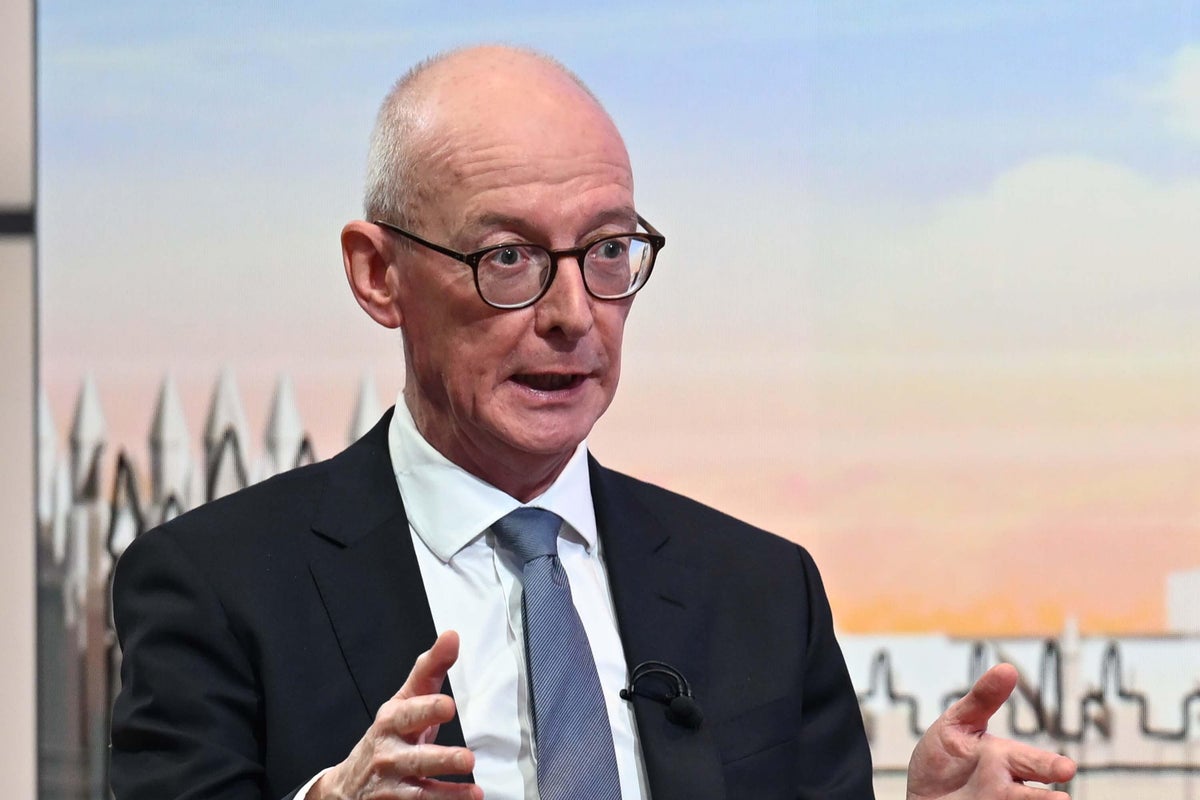
PM Burnham targets Brexit costs to reset UK relationship with EU
Prime Minister Andy Burnham has signaled a shift in the UK's approach to the European Union, arguing that the nation lost more than it gained from leaving.
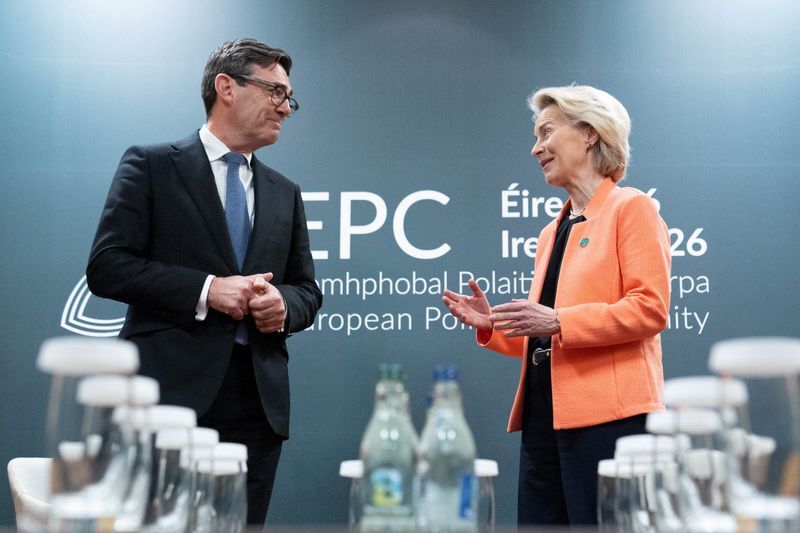
Prime Minister Andy Burnham targeted the legacy of Brexit ahead of a European Union summit in Brussels, signalling a major shift in the UK’s approach to continental relations.
Addressing the Lord Mayor’s Banquet in London’s financial district, Burnham argued that the nation had lost more than it gained since leaving the bloc in 2020. According to advance excerpts released by his office, he did not mince words regarding the previous Conservative administration's settlement, comparing it to a classic fable.
Media additions


"It’s like the Emperor’s new clothes – where no one is prepared to say the obvious truth. Well, I say it as I see it. And to be frank, the Emperor has nothing on. The Brexit we were given has not worked. We have lost more than we gained."
Andy Burnham, Prime Minister, via Internazionale
The speech breaks sharply from the posture maintained by his predecessor, Keir Starmer. While Starmer established rigid boundaries during the 2024 general election campaign, Burnham has placed a broader array of future options on the table, though voters would ultimately act as the final arbiter.
The immediate diplomatic test arrives on Friday when Burnham travels to Brussels for a summit originally scheduled for July but postponed following Starmer’s resignation. Negotiators are expected to finalize targeted agreements covering food and agricultural border checks, emissions trading, and a youth mobility scheme aimed at helping young people live and work abroad. Downing Street estimates suggest the package could boost gross domestic product by 0.4 per cent.
To keep domestic critics at bay, the Prime Minister has instituted three strict benchmarks for any cross-border pacts:
- Manifesto Compliance: Any accord must respect Labour’s current general election red lines, meaning no return to the single market, the customs union, or freedom of movement.
- Deal Improvement: The agreement must correct the flaws of the hard Brexit negotiated by Boris Johnson, aligning closer to what voters anticipated in the 2016 referendum.
- The Makerfield Test: Named after his Greater Manchester constituency, the policy must deliver demonstrable, everyday enhancements for working-class communities that felt neglected under past administrations.
Reaction from political opponents was swift and severe. Conservative Deputy Leader Alex Burghart claimed the Prime Minister was deliberately reopening settled debates to shift public attention away from rising welfare expenditures and defense funding shortfalls.
"Nearly a decade after the Brexit referendum, Andy Burnham is reopening a debate the country settled long ago, while ignoring the challenges facing Britain today,"
Alex Burghart, Conservative Deputy Leader, via Yahoo News UK
Burghart further alleged that the administration was preparing to commit taxpayer funds to European projects while domestic priorities languished. Those sentiments were echoed by Oliver Lewis, Johnson’s former deputy chief Brexit negotiator and current chair of the Stay Out anti-rejoin campaign, who contended that the Prime Minister's actions contradicted his previous local commitments.
At the same time, Burnham faces internal political hazards. Certain Cabinet ministers and backbench MPs have expressed privately held concerns that a aggressive pivot towards Brussels risks alienating traditional Labour voters in post-industrial seats who backed leaving the EU. Reform UK leader Nigel Farage asserted that the Prime Minister's European outreach would ultimately swell support for his own insurgent political movement.
Economic analysts point out that Burnham remains constrained by broader fiscal realities. Writing for The London School of Economics and Political Science, Professor Jo Michell noted that while the new leader has signalled a desire to break with decades of economic orthodoxy, he remains committed to Chancellor Rachel Reeves’ strict fiscal rules and manifesto pledges opposing income tax hikes. High debt-servicing costs continue to consume substantial portions of public revenue, leaving narrow margins to resolve the ongoing cost-of-living squeeze.
| Political Figure | Ststance on EU Relationship | Key Rationale / Condition |
|---|---|---|
| Andy Burnham | Supportive of a reset and long-term reintegration | Must pass the Makerfield test and respect current red lines |
| Alex Burghart | Opposed; views pivot as a distraction | Argues funds should stay focused on domestic welfare and defense |
| Oliver Lewis | Opposed; anti-rejoin campaigner | Claims mini-deals hand back legal control and increase immigration |
| Sadiq Khan | Supportive of full EU membership | London Mayor leading broader Labour calls to rejoin the bloc |
As the debate over Burnham's EU strategy unfolds, attention turns toward the negotiations in Belgium. Friday's summit will test whether targeted reductions in trade friction can coexist with the government's pledge to avoid crossing established electoral red lines. Further developments on public sector reform and utility oversight are expected as the administration prepares its broader legislative agenda for the remainder of the parliamentary term.