Copa Airlines 737 wing strikes UPS 767 nose at Miami airport
A Copa Airlines passenger jet and a UPS cargo plane collided at a taxiway intersection after air traffic controllers instructed the freight crew to yield.
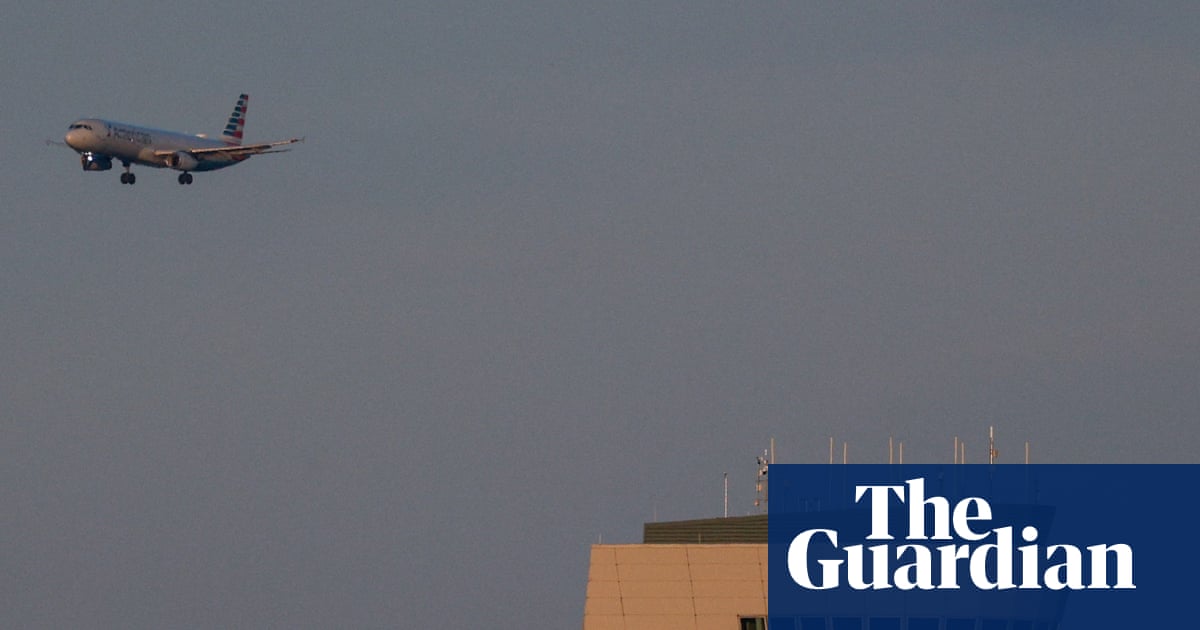
Two commercial aircraft made contact on a taxiway at Miami International Airport on Saturday, 14 November 2026, resulting in minor injuries to two people. According to the Federal Aviation Administration, the wingtip of a Copa Airlines Boeing 737 struck the nose of a United Parcel Service Boeing 767. The collision occurred at approximately 9:15 p.m. Local time at the intersection of two taxiways. At the time of the incident, the passenger jet was taxiing toward the gate after arriving from Panama City, Panama, while the cargo aircraft was taxiing in preparation for a departure flight bound for Bogotá, Colombia.
Air traffic controllers had explicitly instructed the UPS flight crew to give way to the Copa aircraft before the collision took place, according to the Federal Aviation Administration. Audio recordings captured the immediate aftermath of the impact, documenting the exchange between the flight crews and air traffic control. The Copa pilot radioed, Somebody hit us,
as the air traffic controller queried the UPS crew about whether contact had been made. The UPS pilot responded, Yeah, we went too far, and then he, he clipped us with the wing.
The Copa pilot subsequently reported, It seems that we are missing the left wingtip.
Media additions

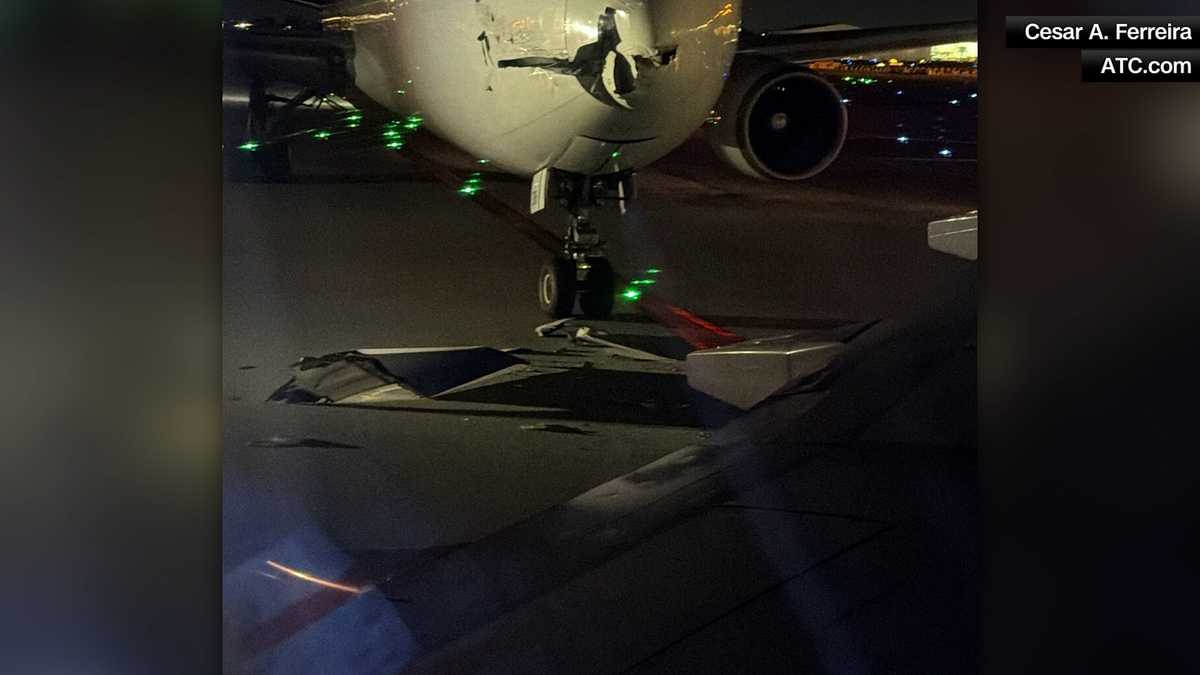
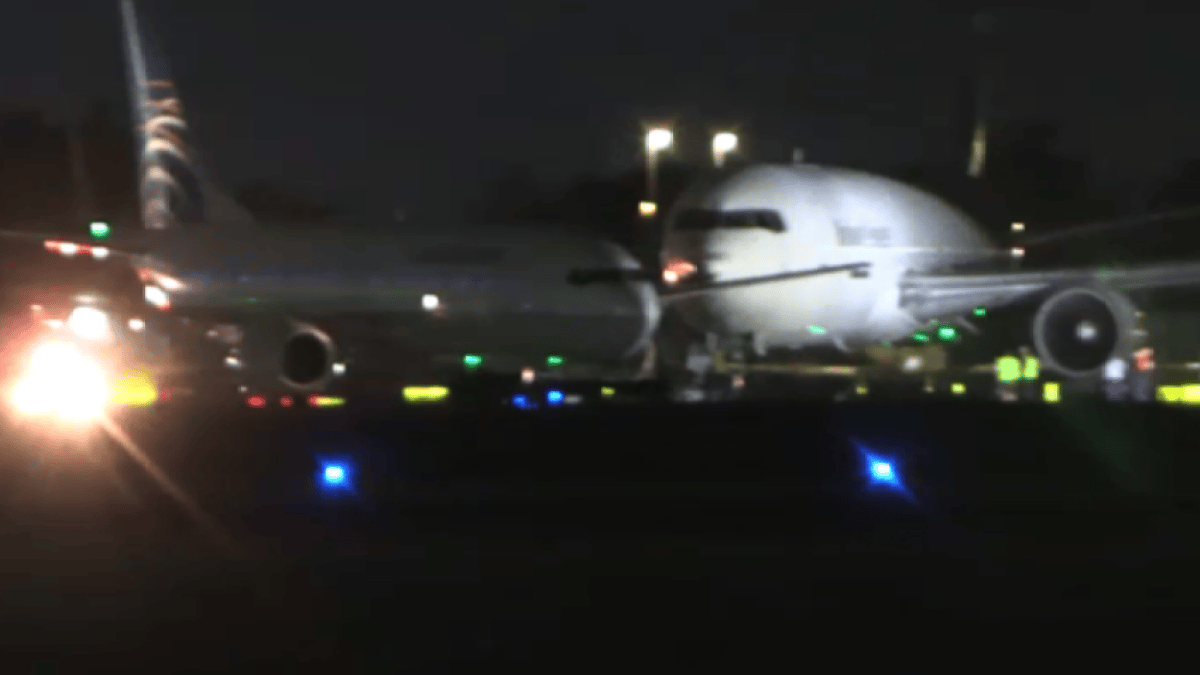
Passengers aboard the Copa aircraft experienced sudden turbulence and panic as the two planes collided. Cesar Ferreira, a traveler on the passenger jet, described the chaotic moments to reporters. Ferreira recounted that the aircraft was taxiing at a normal speed following its landing when cabin chatter escalated into a collective scream, followed immediately by the physical impact that jerked the plane abruptly sideways. Ferreira credited the flight crew with reacting quickly to keep passengers seated and calm while they awaited instructions. After approximately 10 minutes, the aircraft captain announced to passengers that there was no immediate danger and that a tug would be dispatched to tow the plane back to the terminal.
All individuals on board the passenger aircraft safely disembarked. The Copa Boeing 737-800 was carrying 166 passengers and six crew members. Miami-Dade Aviation Department communications director Greg Chin confirmed that two individuals sustained minor injuries and received medical treatment at the scene from fire and rescue personnel without requiring hospital transport. Photographs of the UPS freighter revealed a heavily crumpled nose featuring a gaping hole in its exterior panels.
Airport officials confirmed that incoming and outgoing flights were safely redirected to alternative taxiways, ensuring that overall airport operations experienced no severe disruptions. Both airlines issued public statements following the incident. UPS confirmed that its crew members were safe and stated that the company was committed to working with authorities to determine what happened. Copa Airlines released a statement expressing regret for any disruption caused to passengers, emphasizing that safety remains the airline's top priority and confirming full cooperation with the ongoing investigation.
The Miami taxiway collision unfolded against a backdrop of widespread national travel chaos stemming from an earlier systemic failure. Just a day prior, the Federal Aviation Administration implemented a historic nationwide ground stop for all United States airports following a major telecommunication and radar outage affecting Air Route Traffic Control Centers. Transportation Secretary Sean Duffy and Federal Aviation Administration Administrator Bryan Bedford attributed the disruption to routine maintenance aimed at switching telecommunication lines from old copper wire to fiber optic cables, with Duffy pointing to a lack of congressional funding for infrastructure upgrades. Critics contested the administration's claims regarding budget allocation, arguing that the White House had failed to spend money already apportioned for upgrading the air travel system.
The resulting ground stop, which lasted for over four hours before concluding on Friday evening, left aircraft and crews severely out of position. This triggered thousands of flight delays and cancellations across the country, forcing some stranded passengers to sleep on airport terminal floors while waiting for flights to be rebooked. Air travel disruptions continued through the weekend, exacerbated by unrelated security incidents at other major aviation hubs, including Denver International Airport and Dallas Love Field. Transportation officials and the Federal Aviation Administration are continuing to investigate the telecommunications failure and the Miami runway collision as airlines work to restore normal schedules.