Nineteen UK councils house ten times more asylum seekers than homeless people
Regional analysis reveals nineteen English council areas accommodate more than ten times as many asylum seekers as homeless households, fueling intense political debate over housing pressures.
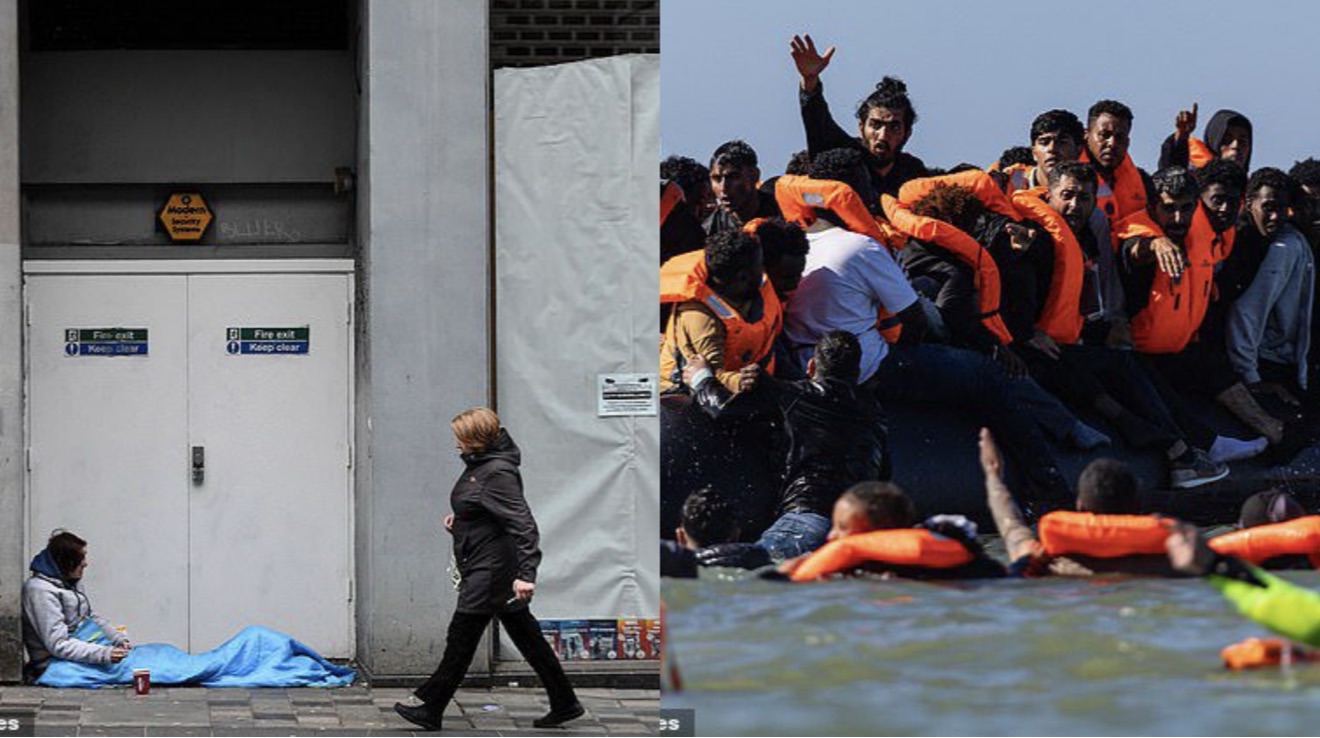
- Core Development: Regional analysis reveals nineteen English council areas accommodate more than ten times as many asylum seekers as homeless households, fueling intense political debate over housing pressures.
- Beat Context: Categorized under NHS with independent corroboration.
- Reporting Depth: 4 minute analytical read synthesized from verified newsroom sources.
Nineteen local council areas across England are accommodating more than ten times as many asylum seekers as households of homeless people, according to regional analysis published on Sunday, 11 October 2026. The findings have intensified nationwide scrutiny over housing availability. The discoveries arrive amid growing public debate concerning state-backed accommodation pressures, highlighting a widening disparity between the resources dedicated to individuals navigating the asylum system and British citizens facing homelessness.
The widest gap was identified in Hyndburn in Lancashire, where government figures show 423 asylum seekers were accommodated against just 14 homeless households residing in temporary accommodation. The Daily Mail analysis mapped local authority figures across England, though twelve councils were excluded due to missing homeless household data, alongside Scotland, Wales, and Northern Ireland where statistics are recorded differently.
Media additions


Nationwide Home Office data indicates that more than 74,000 asylum seekers were housed across England at the end of June. By comparison, official figures recorded 123,000 homeless households in temporary accommodation as of March, with an average household size estimated at approximately 2.5 people.
| Metric | England Asylum Seekers (June) | England Homeless Households (March) |
|---|---|---|
| Total Count | 74,000+ | 123,000 |
| Comparison Basis | Individual asylum seekers | Households in temporary accommodation |
The numbers have fueled fierce political debate. Robert Bates, Research Director at the Centre for Migration Control, criticized what he termed a two-tiered approach, arguing that political leadership has consistently prioritized uninvited claimants over British citizens falling on hard times.
Conversely, a government spokesperson defended the statutory framework, stating that asylum seekers are ineligible for social housing and do not receive preferential treatment on local housing waiting lists. Officials emphasized ongoing efforts to transition individuals away from hotels into alternative settings such as former military sites, noting that the closure of asylum hotels has saved taxpayers £1 billion since the general election.
The housing crunch extends far beyond England. In Scotland, local authorities breached legal duties to provide shelter a record 21,800 times over the past year, according to figures analyzed by The Herald. The anti-homelessness charity Crisis warned that systemic failures are straining urban hubs, where demand for temporary housing severely outstrips supply.
Tensions have also flared in local communities as the government shifts asylum housing away from hotels toward houses in multiple occupation. In Liverpool, which hosts 1,385 asylum seekers in dispersal housing alongside thousands of other HMO occupants, residents in areas like Tuebrook have voiced deep frustrations over rubbish, overcrowding, and transient populations, as reported by Inews. Local council leaders have vowed to clamp down on rogue landlords converting family homes without proper licensing or planning permissions.
Meanwhile, rural areas are experiencing friction over urban displacement. In Shropshire, local officials and MP Mark Pritchard raised strong objections after learning that Enfield Council explored placing London homeless families into newly built properties in the village of Stoke Heath—a site where local residents previously fought off plans to house asylum seekers, as detailed by the BBC.
Additional controversy emerged around Glasgow, where the charity Homeless Project Scotland publicized the case of a 26-year-old heavily pregnant woman who was left homeless after the local authority refused to find her a home. This occurred despite more than 3,700 mostly male asylum seekers living in state-supported accommodation in the city. A spokesman for the Glasgow Health and Social Care Partnership stated yesterday that officials were reviewing her case while engaging and supporting her appropriately.
The wider Scottish landscape faces severe systemic strain. Scottish local authorities breached the law 21,800 times in 2025/26, with violations rising steeply from 4,595 breaches recorded during the pre-pandemic year of 2019/20, according to data examined by The Herald. Crisis Scotland warned that unless authorities implement prevention duties and increase social home allocations, core homelessness numbers will remain stubbornly high.
What to watch next
- The government has maintained its commitment to phasing out the use of all asylum hotels by the conclusion of the current parliamentary term.
- Further cost-reduction pressures loom ahead of the Budget and next year's spending review, potentially impacting unprotected departments like the Home Office.
- Scottish authorities face ongoing calls to publish a costed delivery plan and fund incoming homelessness prevention duties.
How significant is this development?
Contribute your assessment to the aggregated reader sentiment ledger.
Frequently Asked Questions
Key questions answered in this reportWhat is the key development in: Nineteen UK councils house ten times more asylum seekers than homeless people?
Regional analysis reveals nineteen English council areas accommodate more than ten times as many asylum seekers as homeless households, fueling intense political debate over housing pressures.
Why is this NHS development significant for the UK?
This report covers critical events in our NHS beat. Independent reporting monitors related UK statements, regulatory shifts, and public responses as further verified details emerge.
How was this reporting corroborated and verified?
Newsarchy UK compiles and cross-references reporting from primary reporting from dailymail.com and cross-checked wire reports. All coverage adheres to published editorial standards.
When was this report published?
This briefing was published on October 11, 2026 and is permanently cataloged in the Newsarchy UK NHS archives.