SNP wins Scottish election as Reform and Labour tie for second
The SNP secured a fifth consecutive term at Holyrood under John Swinney, while Reform UK and Scottish Labour tied for second place in a reshaped Scottish Parliament.
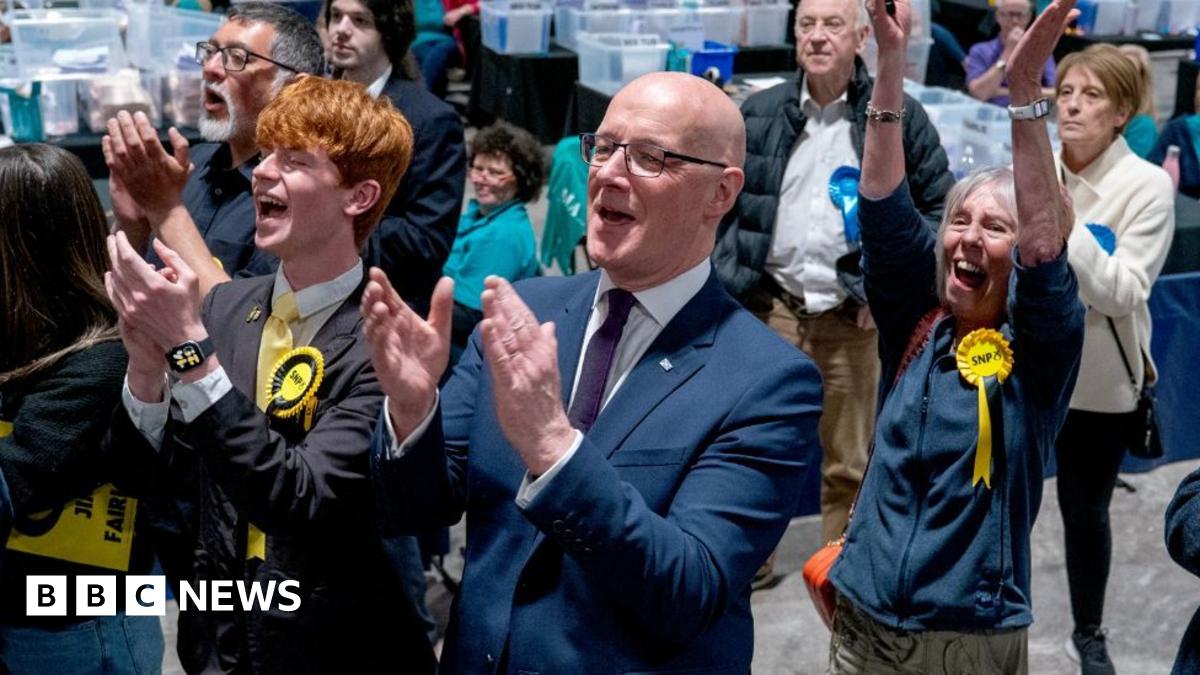
- Core Development: The SNP secured a fifth consecutive term at Holyrood under John Swinney, while Reform UK and Scottish Labour tied for second place in a reshaped Scottish Parliament.
- Beat Context: Categorized under NHS with independent corroboration.
- Reporting Depth: 3 minute analytical read synthesized from verified newsroom sources.
The Scottish National Party has secured a historic fifth consecutive term in government at Holyrood, cementing its enduring dominance over Scottish politics even as it fell short of an outright majority. Under the leadership of John Swinney, the party finished comfortably ahead in an election that dramatically reshaped the Scottish Parliament, leaving traditional unionist parties in disarray and clearing a path for a renewed push for independence.
The ballot box outcome delivered seismic shocks across the political establishment. While the SNP will return to government, it missed its self-imposed target of an overall majority, leaving it dependent on the Scottish Greens to pass legislation. Together, the pro-independence parties command a clear majority of 73 seats in the 129-seat chamber. Swinney declared his party had won the election hands down
and insisted that public expectation demanded his return as first minister to lead a government, speaking to BBC Scotland News.
Media additions


Behind the SNP, the electoral landscape fragmented completely. Reform UK made its long-predicted breakthrough, surging into a joint-second-place tie with Scottish Labour on 17 seats each, according to reporting by BBC News. Propelled by a strong showing on the regional lists, the party — led in Scotland by former Conservative peer Malcolm Offord — capitalized on voter dissatisfaction. Offord stated that his party would act as challengers and scrutineers
focused heavily on devolved matters like schools and roads. Meanwhile, Scottish Labour suffered a bitter night, finishing distant from the top spot despite Anas Sarwar placing the health service at the heart of his campaign.
The Conservative Party suffered an unprecedented collapse, dropping from its hard-won position as the largest opposition party down to fifth place with just 12 seats. Scottish Conservative leader Russell Findlay blamed Reform UK directly, arguing that Nigel Farage’s party acted as a gift to the SNP by splitting the unionist vote and helping the nationalists sneak home in tight constituency races. High-profile casualties included former shadow agriculture minister Jamie Halcro Johnston, whose regional list ambitions were dragged down by the wider Tory slump.
The Scottish Greens celebrated a watershed night, capturing a record 15 seats, including their first-ever constituency victories. Co-leader Ross Greer hailed the result as historic, noting that Green representation now spans every part of Scotland. Among the defeated high-profile figures was SNP heavyweight Angus Robertson, who lost his Edinburgh Central seat to former Green co-leader Lorna Slater.
| Party | Seats Won | Change / Key Outcome |
|---|---|---|
| SNP | Majority of constituency/list | Won fifth consecutive term; fell short of overall majority. |
| Labour | 17 | Tied for second place; leader Anas Sarwar acknowledged party was hurting. |
| Reform UK | 17 | Made historic electoral breakthrough, tying for second via regional lists. |
| Scottish Greens | 15 | Achieved record seat count and first-ever constituency victories. |
| Conservatives | 12 | Suffered worst-ever Holyrood result, dropping to fifth place. |
| Liberal Democrats | 7 | Secured constituency gains including a historic win in Skye, Lochaber and Badenoch. |
The fallout from the election immediately spilled into constitutional friction. In his first major address at Holyrood, Swinney placed independence at the heart of his administration's five-year term.
What happens next depends heavily on Westminster's response to the renewed mandate for a referendum, alongside the internal pressures facing Prime Minister Keir Starmer following a bruising cycle of local and devolved elections across the United Kingdom. With parliamentary business managers from Labour and Reform forced to negotiate opposition logistics, including power-sharing arrangements for questions at First Minister’s Questions, the new term at Holyrood promises continuous confrontation both inside and outside the chamber.
How significant is this development?
Contribute your assessment to the aggregated reader sentiment ledger.
Frequently Asked Questions
Key questions answered in this reportWhat is the key development in: SNP wins Scottish election as Reform and Labour tie for second?
The SNP secured a fifth consecutive term at Holyrood under John Swinney, while Reform UK and Scottish Labour tied for second place in a reshaped Scottish Parliament.
Why is this NHS development significant for the UK?
This report covers critical events in our NHS beat. Independent reporting monitors related UK statements, regulatory shifts, and public responses as further verified details emerge.
How was this reporting corroborated and verified?
Newsarchy UK compiles and cross-references reporting from primary reporting from Policy Magazine and cross-checked wire reports. All coverage adheres to published editorial standards.
When was this report published?
This briefing was published on October 19, 2026 and is permanently cataloged in the Newsarchy UK NHS archives.


