Alberta rejects independence in referendum to remain part of Canada
Voters in Alberta have decisively rejected a proposal to begin a process toward independence, with approximately 77 percent opting to remain part of Canada.

- Core Development: Voters in Alberta have decisively rejected a proposal to begin a process toward independence, with approximately 77 percent opting to remain part of Canada.
- Beat Context: Categorized under World with independent corroboration.
- Reporting Depth: 3 minute analytical read synthesized from verified newsroom sources.
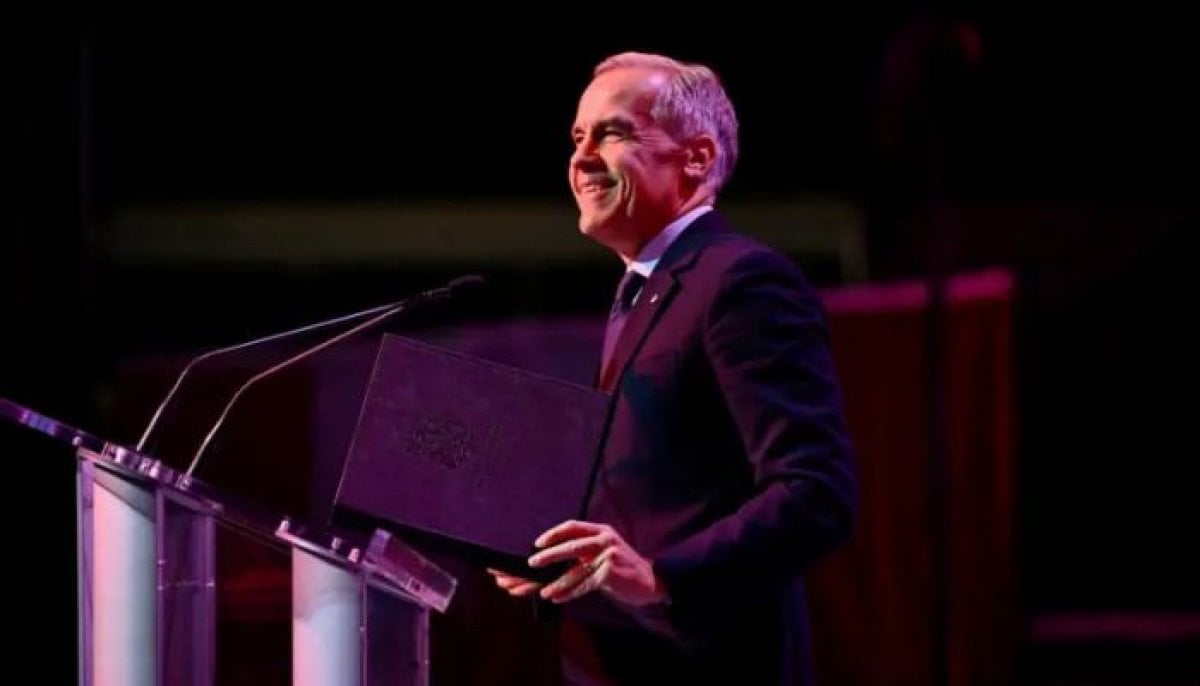
Voters in Canada's oil-rich province of Alberta have decisively rejected a proposal to begin a process toward independence, opting instead to remain part of Canada in a historic referendum that tested national unity. The ballot, which served as a preliminary step rather than a direct vote on secession, delivered a major boost to Canadian Prime Minister Mark Carney, who praised the outcome and emphasized that the province chose to build a future together during a period of escalating political pressure from Washington. Unofficial results reported by Elections Alberta showed that roughly 77 percent of voters chose to stay in Canada, following an unusually high voter turnout that saw more than one million ballots cast.
The referendum was called earlier by Alberta Premier Danielle Smith in response to grassroots petitions. Although Smith personally opposed the separatist push, she stated that public demand for a vote was undeniable. In a social media post, Smith remarked that Albertans had voted for a stronger Alberta in a united Canada. Separatist leaders, however, insisted that their campaign was far from over. Jeffrey Rath, a Calgary-based lawyer and separatist leader, told the Bbc that he viewed the vote as a valuable first step, vowing that the movement would continue to push forward and potentially target party leadership.
Media additions


Beyond the primary question regarding separation, voters were asked to weigh in on nine additional policy matters touching on immigration, social services, and constitutional powers. Early results for these supplementary questions showed mixed support, with voters backing tighter controls on immigration and residency requirements for provincially funded programs while demonstrating a much closer split on constitutional amendments regarding federal oversight and provincial jurisdiction.
| Referendum Question Focus | Primary Choice / Result Trend | Reported Share / Status |
|---|---|---|
| Question 10: Separation vs. Unity | Remain a province of Canada | ~77% (Unofficial count exceeding 1.3 million votes) |
| Question 1: Immigration Control | Government of Alberta taking increased control | 58.6% Yes / 41.4% No |
| Question 5: Voter Identification | Require proof of citizenship to vote provincially | 63.1% Yes / 36.9% No |
| Question 7: Abolish Senate | Work to amend Constitution to abolish federal Senate | 52.6% Yes / 47.4% No |
Opposition figures argued that the referendum was an unnecessary political maneuver. NDP Leader Naheed Nenshi stated that Albertans used the ballot to send a message to Premier Smith regarding the handling of provincial politics rather than Ottawa.
Elections Alberta teams continue to process outstanding ballots across the province. While unofficial results for the primary separation question have established a clear margin, the counting process for the remaining questions and regional verifications will proceed through the week. Premier Smith is scheduled to deliver a formal address to the province to discuss the referendum results and what the next steps for the province will be.
How significant is this development?
Contribute your assessment to the aggregated reader sentiment ledger.
Frequently Asked Questions
Key questions answered in this reportWhat is the key development in: Alberta rejects independence in referendum to remain part of Canada?
Voters in Alberta have decisively rejected a proposal to begin a process toward independence, with approximately 77 percent opting to remain part of Canada.
Why is this World development significant for the UK?
This report covers critical events in our World beat. Independent reporting monitors related UK statements, regulatory shifts, and public responses as further verified details emerge.
How was this reporting corroborated and verified?
Newsarchy UK compiles and cross-references reporting from primary reporting from Fortune and cross-checked wire reports. All coverage adheres to published editorial standards.
When was this report published?
This briefing was published on October 20, 2026 and is permanently cataloged in the Newsarchy UK World archives.