Andy Burnham becomes UK prime minister
Andy Burnham has been appointed as the UK’s new prime minister, promising a 'circuit breaker' shift in governance following the resignation of Sir Keir Starmer. Burnham now faces the challenges of regional decentralization and managing the UK's significant economic constraints.

- Core Development: Andy Burnham has been appointed as the UK’s new prime minister, promising a 'circuit breaker' shift in governance following the resignation of Sir Keir Starmer. Burnham now faces the challenges of regional decentralization and managing the UK's significant economic constraints.
- Beat Context: Categorized under Politics with independent corroboration.
- Reporting Depth: 3 minute analytical read synthesized from verified newsroom sources.
Andy Burnham formally became the United Kingdom’s prime minister on Monday, 20 July 2026, marking a significant leadership transition following the resignation of Sir Keir Starmer. The appointment, confirmed after Burnham accepted an invitation from King Charles III at Buckingham Palace, establishes him as the seventh person to occupy 10 Number 10 in the past decade.
The transfer of power followed the formal resignation of Keir Starmer, who announced his intention to step down in June. Starmer, who led the Labour Party to a general election victory in 2024, faced intensifying political pressure following poor results in local elections in May and controversy surrounding the appointment of Peter Mandelson as ambassador to the United States. In his final address outside Downing Street, Starmer stated, My work is done,
and offered his full support to his successor.
Media additions
Burnham’s path to the premiership was solidified after he returned to Parliament via a by-election in June and subsequently faced no opposition in the Labour leadership contest. His rapid ascent reflects the ability of the governing party to change its leader without a new general election, a process that has become increasingly frequent in British politics.
Policy and Governing Priorities
As he begins his term, Burnham has promised a circuit breaker
for the country, signaling an intent to shift away from the political and economic models of previous administrations. His stated priorities include addressing the cost-of-living crisis, re-industrializing the country, and ending homelessness. Furthermore, he has expressed a commitment to decentralizing power, aiming to shift authority from Westminster to regional councils and authorities—a philosophy shaped by his tenure as the mayor of Greater Manchester, where he earned the moniker King of the North.
Early reports indicate specific shifts in the government’s agenda:
- Digital Infrastructure: Burnham has moved to scrap a proposed nationwide digital identity scheme, with the intent to redirect those funds toward household cost-of-living support.
- Utility Oversight: He has indicated a preference for greater public control over utilities, specifically regarding the restructuring of Thames Water.
- Energy: Plans for North Sea oil and gas drilling are expected to continue, though focus remains on existing licences rather than new permits.
- Governance: The new prime minister aims to establish a secondary No 10 team based in Manchester.
Questions remain regarding the full composition of his Cabinet. Speculation continues to circulate over the appointment of the Chancellor of the Exchequer, with Home Secretary Shabana Mahmood and Energy Secretary Ed Miliband identified as top contenders for the role.
International and Economic Outlook
Burnham’s transition comes at a time of complex international relations. He has stated that his first calls with world leaders will be to United States President Donald Trump and Ukrainian President Volodymyr Zelenskyy. Financial markets are watching closely for signals regarding the new government’s economic management. The UK faces significant constraints on public finances, with a debt-to-GDP ratio exceeding 95%.
The logistical transition of power was completed within hours on Monday. Following the kissing hands
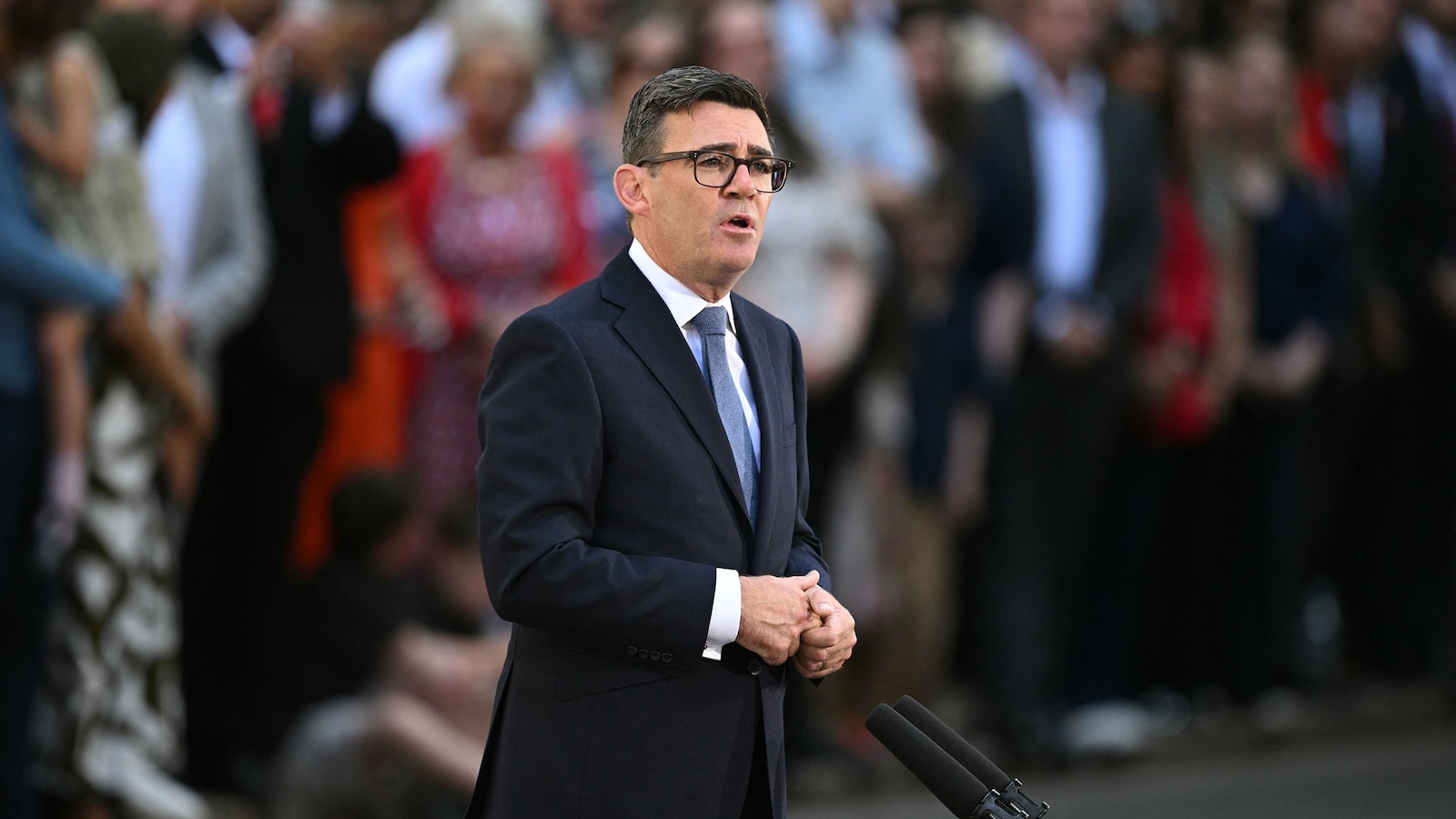
ceremony with the King, Burnham returned to Downing Street to deliver his inaugural address as prime minister. In a departure from recent tradition, he did not use the standard lectern, opting instead to speak in front of two microphones outside the residence.
What to watch next:
- Cabinet Appointments: Formal announcements of senior ministerial positions are expected to follow throughout the week.
- Economic Strategy: The government will face early scrutiny regarding its plans to stimulate growth while adhering to existing manifesto pledges not to raise income tax, VAT, or National Insurance.
- Nuclear Responsibilities: As part of his new duties, Burnham will be required to write the
last resort letters
to the commanders of the UK’s nuclear-armed submarines.
While the transition has been swift, political analysts note that Burnham inherits the same challenges that confronted his predecessor, including a sluggish economy and a fragmented political environment. The next general election is not required until 2029, leaving the new government time to establish its footing if it can manage the competing pressures of parliamentary expectations and voter demand for tangible improvement.
How significant is this development?
Contribute your assessment to the aggregated reader sentiment ledger.
Frequently Asked Questions
Key questions answered in this reportWhat is the key development in: Andy Burnham becomes UK prime minister?
Andy Burnham has been appointed as the UK’s new prime minister, promising a 'circuit breaker' shift in governance following the resignation of Sir Keir Starmer. Burnham now faces the challenges of regional decentralization and managing the UK's significant economic constraints.
Why is this Politics development significant for the UK?
This report covers critical events in our Politics beat. Independent reporting monitors related UK statements, regulatory shifts, and public responses as further verified details emerge.
How was this reporting corroborated and verified?
Newsarchy UK compiles and cross-references reporting from primary reporting from apnews.com and cross-checked wire reports. All coverage adheres to published editorial standards.
When was this report published?
This briefing was published on July 20, 2026 and is permanently cataloged in the Newsarchy UK Politics archives.