Andy Burnham Slaps Down David Cameron After Ex-PM Warns Against Rejoining EU
Andy Burnham has dismissed David Cameron's warnings against rejoining the EU, as political divisions intensify ahead of a Brussels summit.

Andy Burnham dismissed David Cameron after the former Conservative prime minister warned against rejoining the European Union, as political divisions over the UK's relationship with the bloc intensified ahead of a Brussels summit.
Speaking more than a decade after calling the 2016 referendum that led to the UK's departure, Conservative peer David Cameron warned that starting a conversation about rejoining the EU would be a very long and painful process, according to reporting by HuffPost UK. Cameron also claimed that the UK's economic struggles over the past decade are unrelated to Brexit, attributing financial pressures instead to overspending, over-borrowing, over-taxing, over-regulation, and high working-age welfare spending.
Media additions

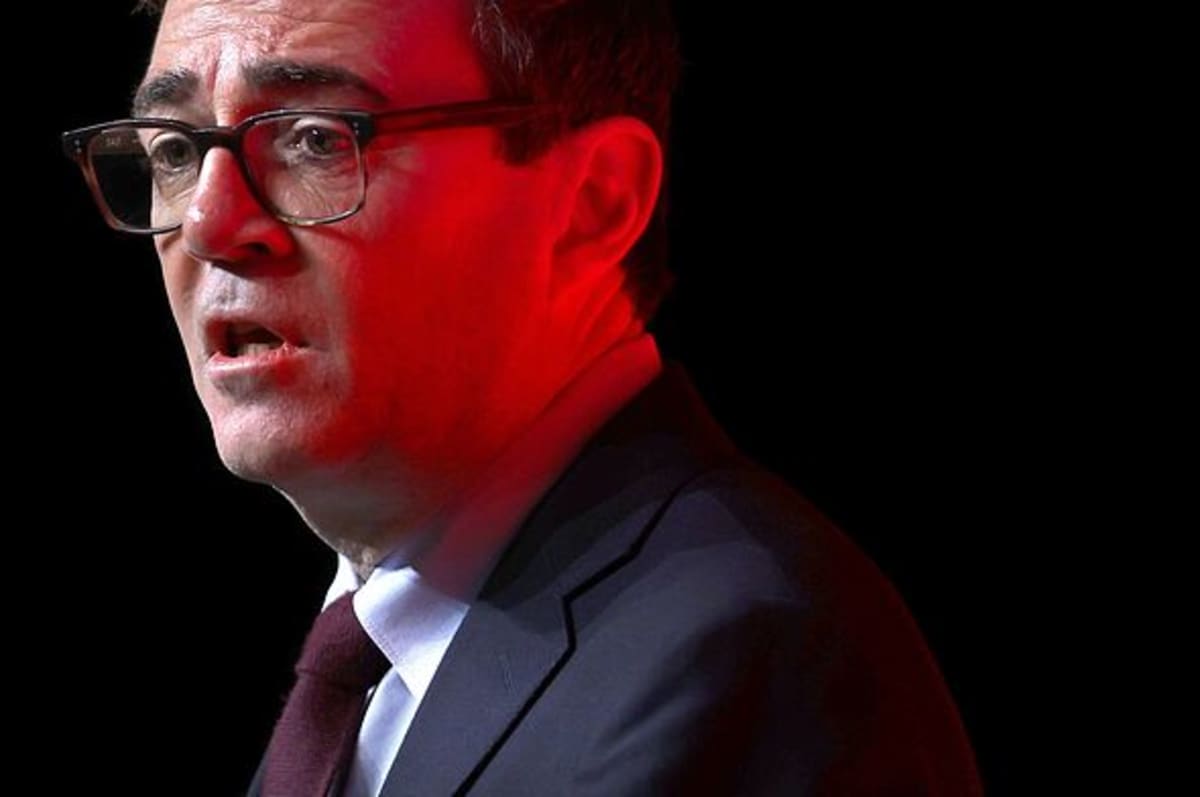
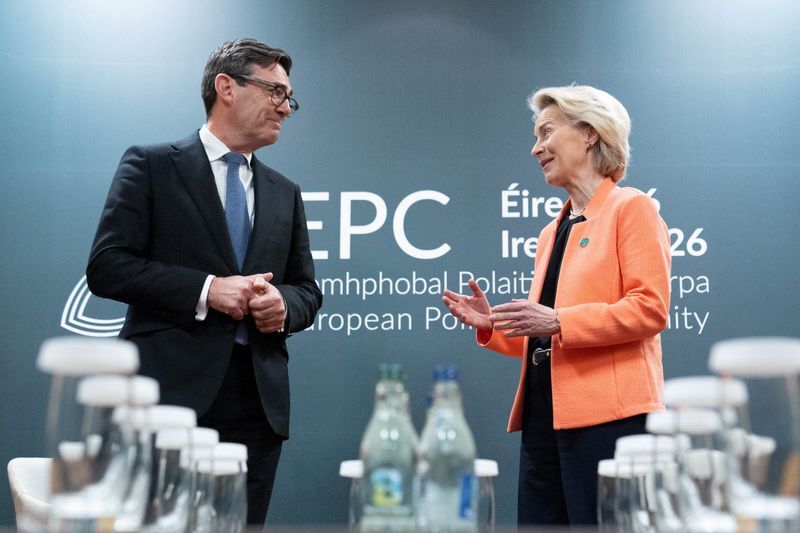
Prime Minister Andy Burnham quickly rejected those assertions during a series of appearances, including at the European Political Community summit in Dublin, Ireland. According to HuffPost UK, Burnham stated that evidence and Treasury analysis demonstrate a clear link between low growth and Brexit. Burnham argued that Cameron's remarks were motivated more by a desire for unity within the Conservative Party than by British interests. Scottish Labour leader Michael Marra went further, branding Cameron as "useless" and comparing his intervention to an arsonist warning against calling a fire brigade, as reported by the Daily Record. Marra argued that Cameron risked the UK's place in Europe to placate the right wing of his party and urged that rejoining the EU should become a manifesto pledge.
The political clash comes as Burnham prepares to sign a fresh Sanitary and Phytosanitary Agreement at a summit in Brussels on Friday, aimed at reducing trade barriers for food and drink. While the Government defended the proposed agreement as a measure to boost economic growth and reduce costly paperwork taxes, industrial bodies have issued stark warnings. The Food and Drink Federation (FDF), representing manufacturers such as Birds Eye and Weetabix, backed the trade changes but cautioned that UK producers face severe cost disadvantages compared to European rivals, as detailed by London Business News.
FDF chief executive Karen Betts warned that British food and drink manufacturing faces higher domestic energy and regulatory expenses. Government figures cited by London Business News showed that medium-sized businesses paid an average of 25.85p per kilowatt hour for electricity in the UK in 2025, compared to 10.74p in France and 10.45p in Spain. Furthermore, the FDF noted that more than 400 UK regulations will need alignment with EU rules under the agreement, potentially forcing everyday product adjustments in items such as jams, olive oil blends, and mineral waters.
Opposition figures and business groups have launched blistering attacks on the broader direction of the administration's EU strategy. A report titled The Great Betrayal by the Independent Business Network accused Labour of pursuing a dangerous reset without a mandate, warning that options including a customs union, Single Market access, or outright rejoining would leave Britain poorer and less free, according to Aol. IBN chairman John Longworth argued that sacrificing national self-determination is unacceptable, while senior Conservative figures like Dame Priti Patel condemned the approach for imposing regulations that Britain cannot influence.
Controversy also mounted following a leaked draft agreement reported by the Daily Mail, which suggested the UK would commit not to proceed with the early removal and deportation of foreign national offenders to EU member states under the Sentencing Act 2026. Conservative leader Kemi Badenoch criticized the emerging reset as a laundry list of extra costs for families. Simultaneously, campaign groups such as Stay Out, backed by figures including former Vote Leave chief Michael Gove and Reform UK deputy leader Richard Tice, warned that a return to the bloc could obligate Britain to join EU asylum solidarity schemes, potentially carrying multi-million-pound annual penalties or hundreds of relocations.
A Labour Party spokesperson defended the diplomatic push, emphasizing that the Government maintains clear red lines and is focused on establishing a closer relationship to smooth trade, cut bureaucratic export burdens, and support economic growth in the national interest. Officials noted that domestic support measures, such as the British Industrial Competitiveness Scheme scheduled to begin in April 2027, are designed to assist eligible businesses and reduce electricity bills.
| Metric / Factor | UK Figures / Estimates | EU / Comparison Figures |
|---|---|---|
| Electricity Costs (Medium Business, 2025) | 25.85p per kWh | 10.74p (France) / 10.45p (Spain) |
| Food & Drink Sector Economic Contribution | £41.6 billion | — |
| Food & Drink Sector Employment | 484,800 jobs | — |
| Potential Annual Rejoining Costs (IBN Report) | £22 billion to £35 billion (budget contributions) | , |
| Asylum Solidarity Scheme Quota (Stay Out Estimate) | 4,444 people annually (or £75.6 million fee) | , |
What to Watch Next
- The UK-EU summit in Brussels on Friday, where Andy Burnham is expected to sign the Sanitary and Phytosanitary Agreement.
- Further parliamentary debate regarding regulatory alignment for over 400 UK food and drink standards.
- Implementation timelines for domestic energy support initiatives, including the British Industrial Competitiveness Scheme slated for April 2027.
Read more of our ongoing reporting in our Politics coverage, or examine related analyses on how the Burnham EU push divides Labour and draws warning from David Cameron and how Budget 2026 sets record tax high as OBR warns living standards will stall.