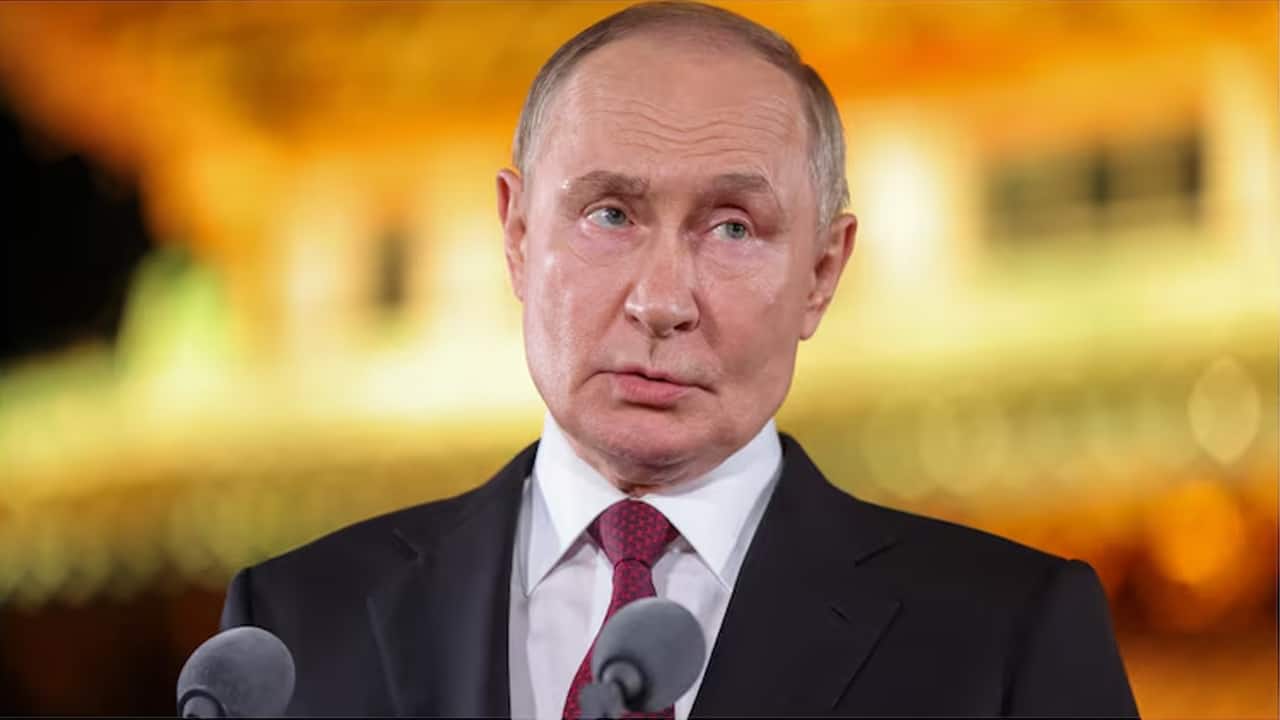
Andy Burnham believes the whole of England can be like Manchester
Prime Minister Andy Burnham is pushing to replicate the Greater Manchester devolution model across all of England by 2028, sparking debate over local taxes.

Prime Minister Andy Burnham has set out an ambitious plan to reshape the governance of England by replicating the model of Greater Manchester nationwide, promising what he terms the largest redistribution of power in the country's history. The strategy, moving from Whitehall to regional authorities, aims to address deep economic imbalances but immediately triggers national debate over taxation, local government competence, and the future of public services.
According to reporting from the Express, the sweeping reforms are central to a 10-year plan designed to boost productivity outside the capital. The Prime Minister told MPs that he wants every region to create the conditions for good growth in every postcode by shrinking central government capacity and expanding regional administrations. Under Labour's roadmap, every part of England is scheduled to establish a strategic authority by 2028, extending combined authorities beyond major urban centers into leafy shires.
Media additions

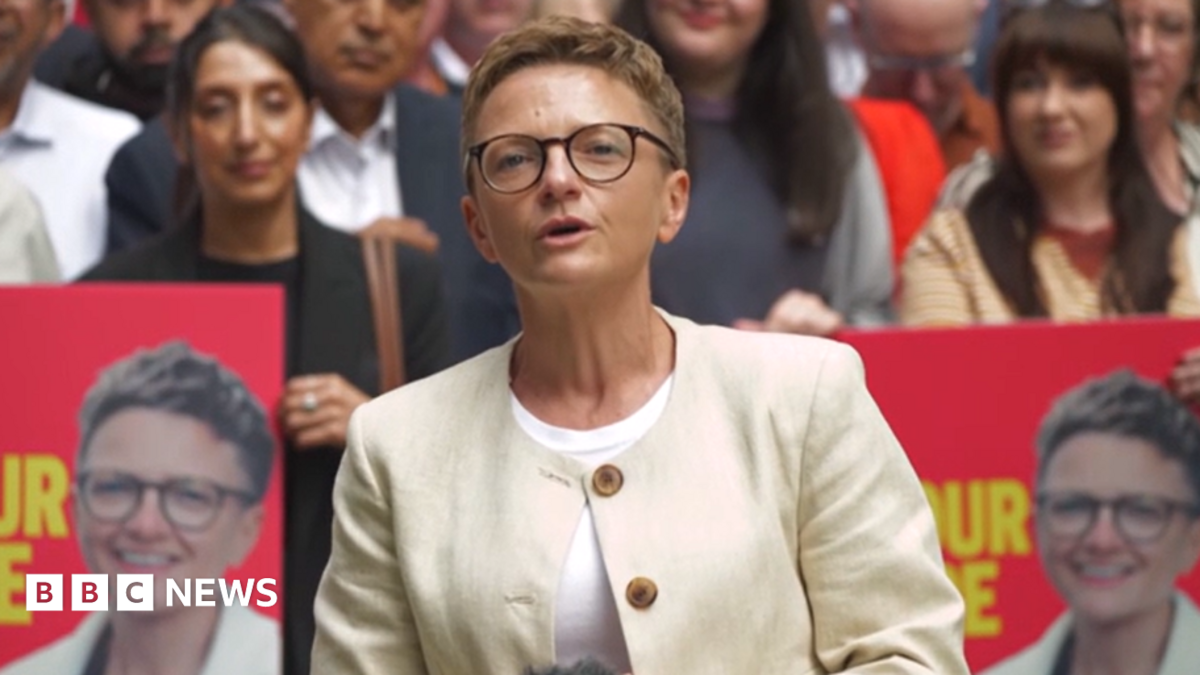

The push has already prompted significant leadership shifts locally. Following Burnham's return to Westminster via the Makerfield by-election, Greater Manchester's newly elected mayor, Bev Craig, welcomed the new powers, stating they would change lives. Craig secured a victory with 309,525 votes over Reform's Sian Astley, who garnered 157,178 votes on a turnout of just under 25 percent. Craig pledged to freeze Metrolink and bus fares on the Bee Network and expand free transport for younger demographics, building upon the "Manchesterism" doctrine championed by Burnham.
However, the economic architecture underpinning these reforms has drawn fierce scrutiny. As Fortune notes, balancing regional development without undermining the U.K.'s primary economic engine remains a critical challenge. London accounts for 22 percent of total economic output, boasts an average GDP per person of £69,000, and significantly outperforms the rest of the country in labor productivity. Think tanks including the Resolution Foundation warn that Greater Manchester remains 35 percent less productive than London, a productivity gap that could take generations to close.
| Metric / Region | Greater Manchester | London | U.K. Average |
|---|---|---|---|
| GDP Per Person | Not specified in sources | £69,000 | £39,400 |
| Productivity vs. U.K. Average | 35% less productive than London | 29% more productive than U.K. Average (2023) | Baseline |
| Mayoral Turnout (Recent Contest) | Under 25% (Makerfield/Mayoral context) | N/A | N/A |
Financial mechanisms supporting the devolution agenda are equally contentious. Local Government Secretary Angela Rayner convened a meeting at Number 10 North in Manchester to outline the overnight stay levy, which could add up to 5 percent to hotel bills and has alarmed the tourism and travel industry. Furthermore, Chancellor John Healey is expected to set out plans for mayors to impose a local income tax during his Budget statement on October 28, though national income tax cuts have not been guaranteed, raising concerns that taxpayers will face an overall heavier financial load, according to Express reporting.
Political friction is already evident within Westminster. Steve Reed, a former Cabinet Minister, warned that transferring power from Parliament to regional mayors risks alienating MPs and could inadvertently empower opposition parties. As The Independent highlights, Burnham's calculated path back to the Commons and his refusal to definitively rule out future leadership ambitions have created a tense atmosphere among parliamentary colleagues who remain divided over the direction of the party.
What Happens Next
- October 28: Chancellor John Healey is scheduled to deliver his Budget statement, detailing proposals for local income taxes and regional fiscal devolution.
- White Paper Publication: The Government is set to publish its strategic White Paper, titled *Rewiring the State*, alongside the upcoming Budget to outline the formal transfer of housing, transport, and training powers to new strategic authorities.
- 2028 Implementation Deadline: Every region across England is due to establish a strategic combined authority under the ongoing expansion of the devolution framework.