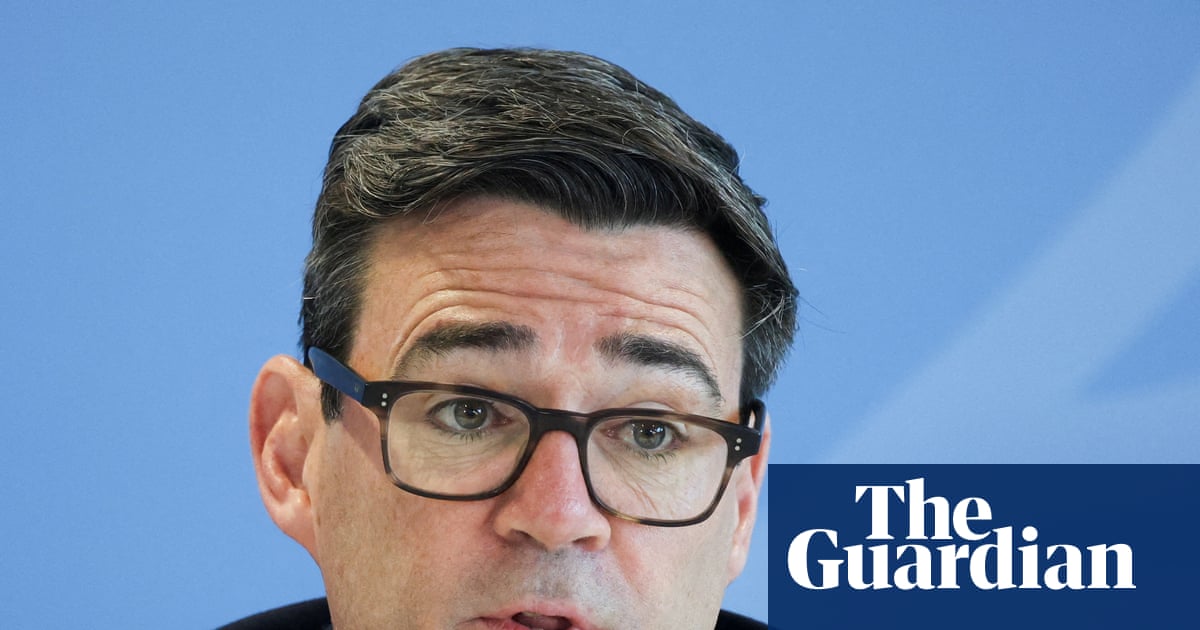
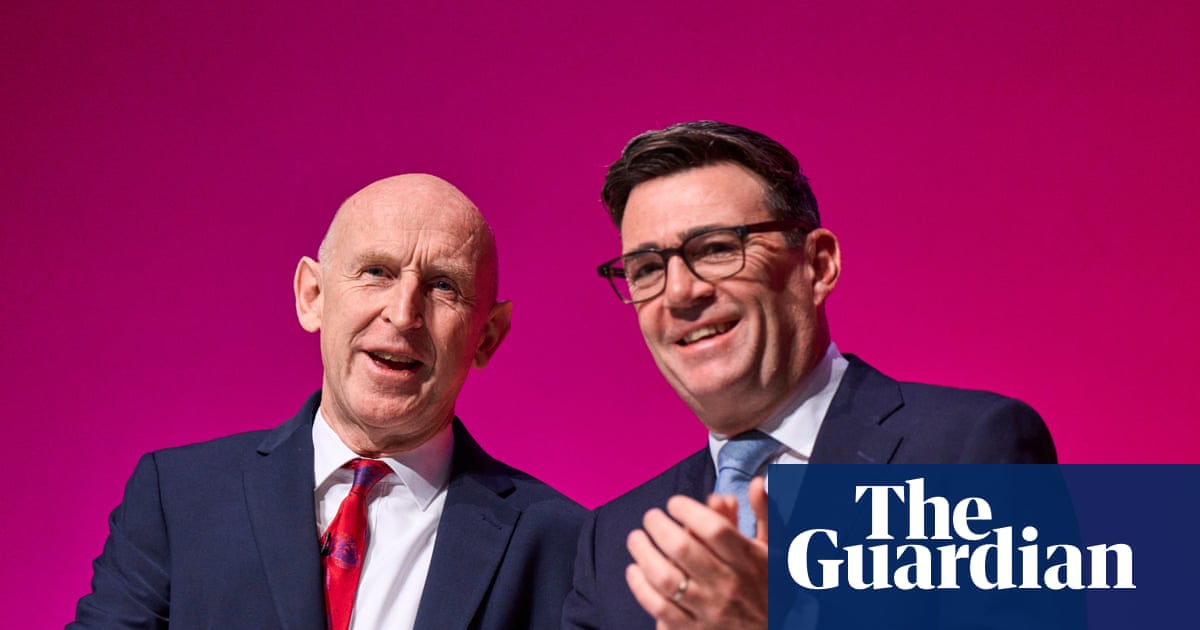
After almost 100 days, Burnham seems little different from Starmer
As Andy Burnham reaches his hundred-day milestone, critics and supporters debate whether his populist micro-policies mask a continuity with Keir Starmer's administration.

- Core Development: As Andy Burnham reaches his hundred-day milestone, critics and supporters debate whether his populist micro-policies mask a continuity with Keir Starmer's administration.
- Beat Context: Categorized under Politics with independent corroboration.
- Reporting Depth: 3 minute analytical read synthesized from verified newsroom sources.
After almost a hundred days in office, Andy Burnham’s premiership has drawn intense scrutiny over whether it represents a genuine break from his predecessor or merely a continuation under a different name. According to reporting from Yahoo News, expectations surrounding the traditional hundred-day window often outstrip reality, yet the period provides a vital lens into a leader's core priorities. While Burnham engineered a ruthless political maneuver to dislodge Sir Keir Starmer from Downing Street, critics argue his administration retains the instincts of a city mayor rather than a decisive national leader.
The early strategy of the Burnham administration has concentrated heavily on everyday irritations and cost-of-living pressures, as detailed by Politics. Prime Minister Burnham has mobilized departments across Whitehall to target public noise disturbances, parking fines, and subscription traps, while moving to restrain bus fares and eliminate VAT on household electricity bills. Proponents argue this micro-policy blitz signals that the government understands ordinary citizens' daily frustrations. Data from the More in Common tracker highlights that measures such as the two-pound bus fare cap and energy tax cuts achieved exceptionally high awareness and net approval ratings among the electorate.
Media additions

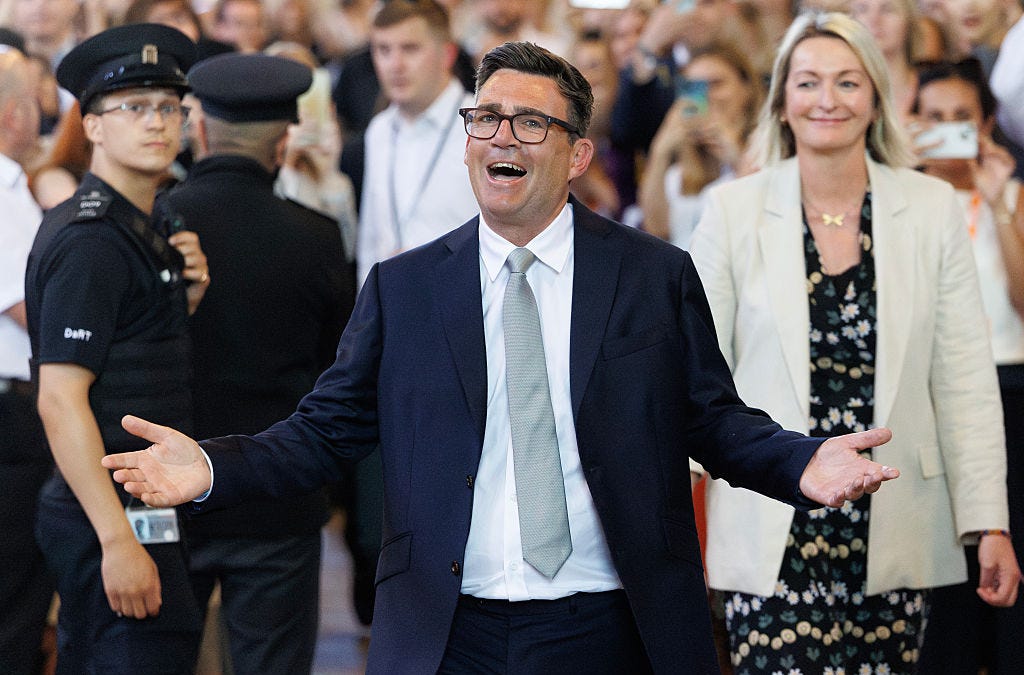
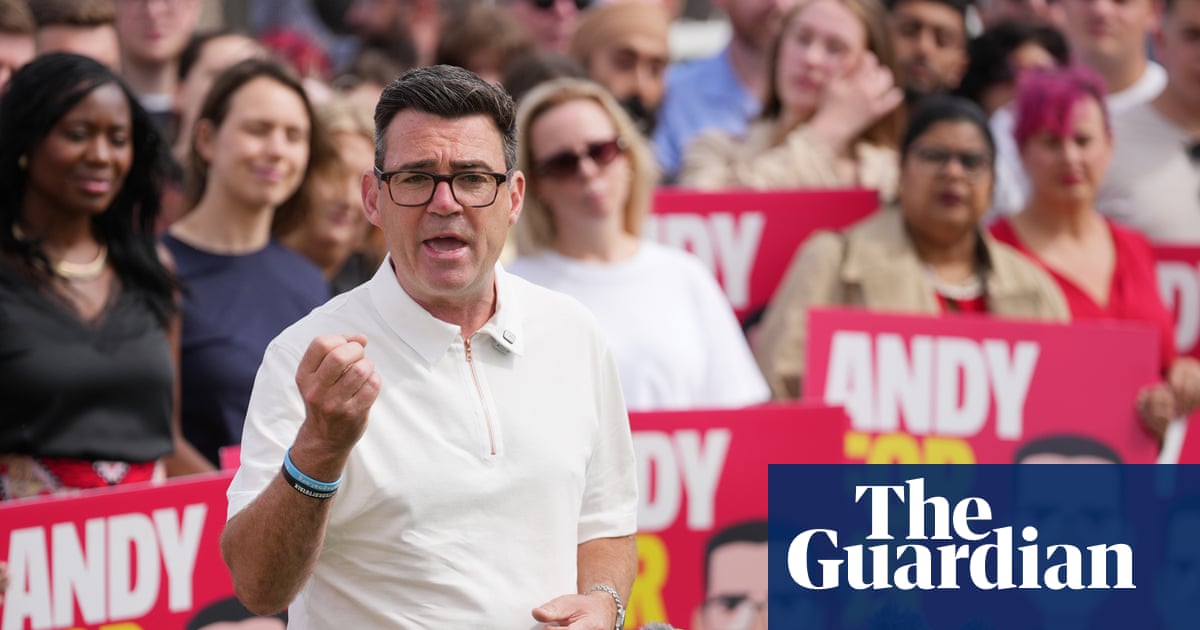
Yet this approach has met with sharp resistance from the opposition benches. During parliamentary exchanges, Conservative leader Kemi Badenoch derided the focus on public transit etiquette and municipal fines as trivial, contending that a succession of small announcements cannot substitute for serious economic management or long-term structural reform. Opposition critics maintain that the government is actively kicking difficult decisions regarding public debt, welfare, and public services into the long grass.
Compounding these domestic debates are questions regarding policy continuity in foreign affairs and political reform. An opinion piece published by Middle East Eye points out that Burnham's parliamentary register of interests shares significant overlap with Starmer's donor network, including substantial contributions from prominent business figures and political funds. The same commentary notes that Burnham has walked back several key platform pledges, such as capping large political donations, supporting private tenant rent controls, and accelerating the nationalization of utility providers.
Additional context from Sam Freedman's commentary highlights skepticism regarding Burnham's policy depth, noting that while critics worry he resembles Starmer with a northern accent, a network of policy thinkers has nevertheless helped shape an emerging agenda. Meanwhile, reporting from The Guardian outlines the rapid transition following Starmer's resignation, tracing how Burnham’s team prepared an accelerated approach focused on devolution and regional empowerment.
As the administration approaches upcoming fiscal milestones and legislative tests, public attention will remain focused on whether popular micro-interventions can translate into sustained economic recovery and institutional trust. Readers can follow ongoing developments via The Guardian or review broader background analysis at Comment is Freed.
How significant is this development?
Contribute your assessment to the aggregated reader sentiment ledger.
Frequently Asked Questions
Key questions answered in this reportWhat is the key development in: After almost 100 days, Burnham seems little different from Starmer?
As Andy Burnham reaches his hundred-day milestone, critics and supporters debate whether his populist micro-policies mask a continuity with Keir Starmer's administration.
Why is this Politics development significant for the UK?
This report covers critical events in our Politics beat. Independent reporting monitors related UK statements, regulatory shifts, and public responses as further verified details emerge.
How was this reporting corroborated and verified?
Newsarchy UK compiles and cross-references reporting from primary reporting from Politics.co.uk and cross-checked wire reports. All coverage adheres to published editorial standards.
When was this report published?
This briefing was published on October 25, 2026 and is permanently cataloged in the Newsarchy UK Politics archives.