Andy Burnham plans to open No 10 office in Manchester to devolve power
Andy Burnham is preparing to open a Manchester-based office to serve as an operational centre for his strategy to redistribute power and economic resources.

- Core Development: Andy Burnham is preparing to open a Manchester-based office to serve as an operational centre for his strategy to redistribute power and economic resources.
- Beat Context: Categorized under Politics with independent corroboration.
- Reporting Depth: 3 minute analytical read synthesized from verified newsroom sources.
Andy Burnham is preparing to establish a physical extension of the prime minister’s office in Manchester, signalling a departure from traditional Westminster-centric governance. As the presumptive successor to the premiership following the resignation of Sir Keir Starmer, the Member of Parliament for Makerfield has framed this proposed "No 10 North" as the operational "nerve centre of a rewired Britain."
The office is intended to reside within the Manchester Digital Campus, a government hub currently under development near Manchester Piccadilly station. According to plans, this site will serve as a conduit for redistributing power, resources, and long-term economic strategy across the United Kingdom. Burnham has stated his intention to spend significant time at the northern base, aiming to demonstrate that political decision-making no longer needs to be sequestered in London.
Media additions
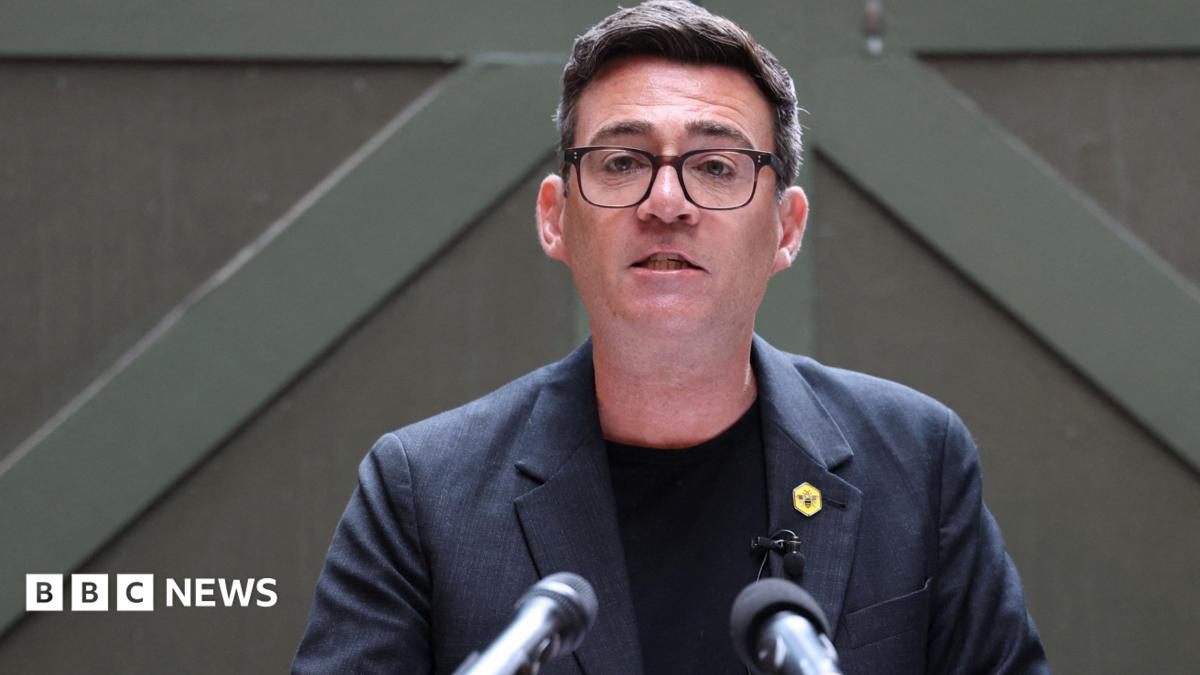


This initiative is part of a broader devolution strategy that Burnham asserts is necessary to address regional inequality. His vision involves handing greater authority to metro mayors and local administrations regarding transport, housing, skills, and economic development. By adopting a model he suggests draws inspiration from Germany, he aims to strive for equivalent living conditions across all British postcodes. The move is also being presented as a mechanism to coordinate government activity at both national and local levels, focusing on reindustrialisation, regeneration, and the increased public ownership of essential utilities.
Proposals and Political Context
Burnham’s transition to the highest office is expected to occur on 20 July 2026. Despite his parliamentary majority, the legitimacy of his proposed structural reforms has become a point of contention. Critics, including the former Cabinet Secretary Lord Case, have argued that such fundamental changes to the balance of power should be preceded by a fresh mandate from the public, rather than relying solely on the party’s existing parliamentary position. Burnham maintains that his agenda remains consistent with the party’s 2024 manifesto.
Economic policy remains another area of intense focus as the potential leadership transition nears. While Burnham has expressed a commitment to sound public finances, he has indicated there is some room
within the existing manifesto for adjustments to taxation. He has specifically suggested a potential restructuring of business rates, which could include raising rates on large warehouses and major out-of-town developments to fund a reduction in rates for high-street businesses such as pubs.
His approach to welfare and public spending also marks a shift in emphasis. Burnham has stated he intends to reduce the national welfare bill by focusing on a more preventative state
that prioritizes moving individuals into work. This strategy includes expanding vocational and technical training pathways for young people to reduce the number of those not in education, employment, or training. Furthermore, he has linked an integrated housing approach to potential long-term reductions in the housing benefit bill.
Navigating Defence and Accountability
The transition is occurring against a backdrop of volatility in national security policy. Following the recent resignations of the defence secretary and the armed forces minister over funding concerns, Burnham has committed to treating the country’s defence investment plans with extreme seriousness. He has noted his intention to prioritize defence security and resilience, viewing these as essential components of a changing global environment.
Key Developments to Watch
- 20 July 2026: Expected installation of Andy Burnham as Prime Minister.
- Office Infrastructure: The Manchester Digital Campus at the former Central Retail Park in Ancoats is scheduled for full operations by 2032.
How significant is this development?
Contribute your assessment to the aggregated reader sentiment ledger.
Frequently Asked Questions
Key questions answered in this reportWhat is the key development in: Andy Burnham plans to open No 10 office in Manchester to devolve power?
Andy Burnham is preparing to open a Manchester-based office to serve as an operational centre for his strategy to redistribute power and economic resources.
Why is this Politics development significant for the UK?
This report covers critical events in our Politics beat. Independent reporting monitors related UK statements, regulatory shifts, and public responses as further verified details emerge.
How was this reporting corroborated and verified?
Newsarchy UK compiles and cross-references reporting from primary reporting from express.co.uk and cross-checked wire reports. All coverage adheres to published editorial standards.
When was this report published?
This briefing was published on July 5, 2026 and is permanently cataloged in the Newsarchy UK Politics archives.